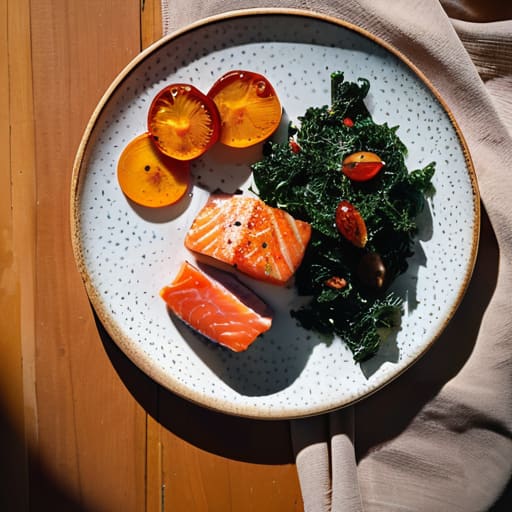
I am so tired of seeing those perfectly curated, color-coded “wellness bowls” on my feed that look more like a piece of modern art than actual food. If I see one more influencer tell me that learning how to build a balanced meal requires a $200 grocery haul of organic microgreens and dragon fruit, I might actually lose it. Let’s be real: most of us are trying to figure out dinner while juggling a deadline or a mountain of laundry, not staging a photoshoot in a sun-drenched kitchen. Nutrition shouldn’t feel like a high-stakes math exam or a luxury lifestyle choice.
I’m not here to sell you on a restrictive diet or a complicated food pyramid that requires a PhD to navigate. Instead, I want to show you my actual, messy, “I-have-twenty-minutes-and-a-half-empty-fridge” method for getting nutrients in without the stress. I’ll share the simple, repeatable systems I use to ensure I’m getting enough fuel to stay focused, focusing on functional nutrition that works for your budget and your schedule. We’re going to strip away the performative perfection and just focus on what actually keeps you full and energized.
Table of Contents
The No Nonsense Protein Vegetable Carbohydrate Ratio
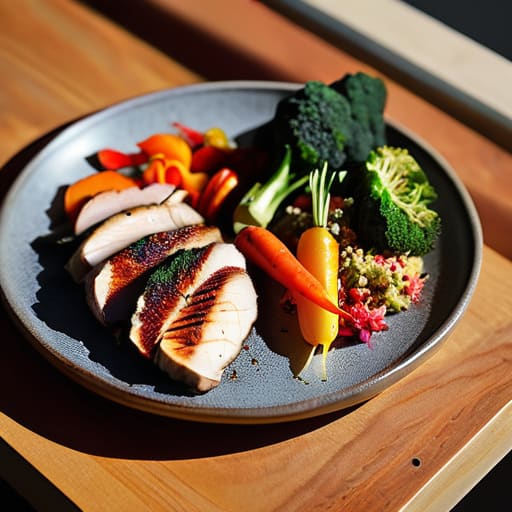
Look, I’m not here to hand you a complicated math equation or a spreadsheet that requires a degree to decipher. When I talk about the protein vegetable carbohydrate ratio, I’m really just talking about a way to stop the mid-afternoon energy crash. If you fill your plate with nothing but pasta, you’re going to feel like a zombie by 3:00 PM. Instead, I aim for a simple visual cue: try to make half your plate veggies, a quarter protein, and a quarter carbs. It’s a loose healthy plate method that works even when I’m too tired to actually measure anything out.
I’ve found that focusing on nutrient density in meals is way more effective than obsessing over calorie counting. If you’re meal prepping for the week, don’t stress about perfect symmetry. Just make sure there’s enough substance to keep you full. For me, that usually looks like a big pile of roasted broccoli, a palm-sized piece of salmon, and a scoop of quinoa. It isn’t “Instagrammable,” but it’s a system that actually works for my real life.
Mastering Nutrient Density in Meals Without the Stress
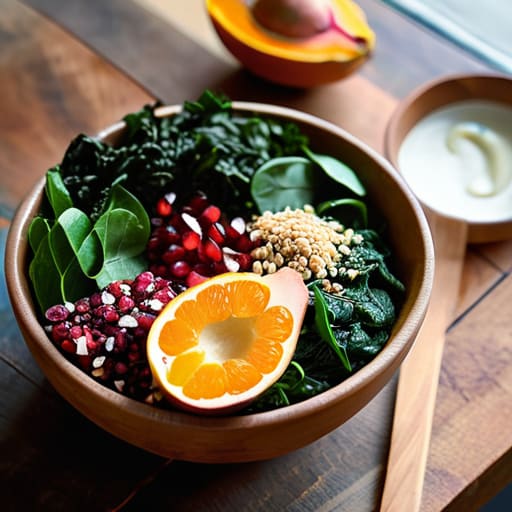
Here’s the thing about nutrient density in meals: it sounds like something a nutritionist would say to make you feel guilty about that extra slice of toast, but it’s actually much simpler than that. To me, it’s just about making sure what you’re eating actually works for you. Instead of obsessing over every single calorie, I focus on packing as much “good stuff” into my portions as possible. If I’m having a salad, I’m not just eating iceberg lettuce; I’m tossing in some hemp seeds or avocado to make sure I’m actually getting some substance.
You don’t need a complex macronutrient distribution guide to get this right. I usually just look at my plate and ask, “Is there enough color here?” If it’s all beige, I know I’m missing out. A great way to simplify this is by using a basic healthy plate method: aim for half your plate to be colorful veggies, a quarter for protein, and a quarter for those much-needed carbs. It’s not about perfection; it’s about making better trades so you don’t end up crashing an hour after lunch.
My Low-Stress Rules for Not Overthinking Dinner
- Stop obsessing over exact gram measurements. Honestly, just use your hand as a guide: a palm-sized portion of protein, a fist of veggies, and a cupped hand of carbs. It’s much faster and works every single time.
- Keep a “emergency” pantry stash for when the fridge looks depressing. I always keep canned chickpeas, frozen peas, and quick-cooking quinoa on hand so I can throw a meal together in ten minutes instead of ordering takeout.
- Don’t fear the fat. You need it to actually feel satisfied, otherwise you’ll be reaching for snacks an hour later. A little olive oil, some avocado, or a sprinkle of seeds is enough to make the meal stick to your ribs.
- Use the “one-pan” trick to save your sanity. If you can roast your protein and your veggies on the same sheet pan, you’ve won. Less cleanup means you’re actually more likely to cook again tomorrow.
- Flavor doesn’t have to be complicated. You don’t need a spice cabinet from a professional chef; just pick two or three things you actually like—maybe some lemon juice and dried oregano—and call it a day.
The "Keep It Simple" Cheat Sheet
Stop overthinking the science and just aim for a rough visual split: a palm-sized protein, a fist-sized carb, and whatever veggies you can grab.
Don’t let a lack of “superfoods” stop you; a frozen bag of peas or some canned beans counts just as much as a fancy organic salad when you’re busy.
Build your meals around what’s actually in your pantry right now, because a functional meal is one that actually gets eaten instead of just looking good on a plate.
The Reality Check
Stop trying to cook like a Pinterest board; a balanced meal isn’t about perfect symmetry or expensive superfoods, it’s just about making sure your body actually has the fuel it needs to get through the day.
Maya Sterling
Stop Aiming for Perfection and Just Start Eating
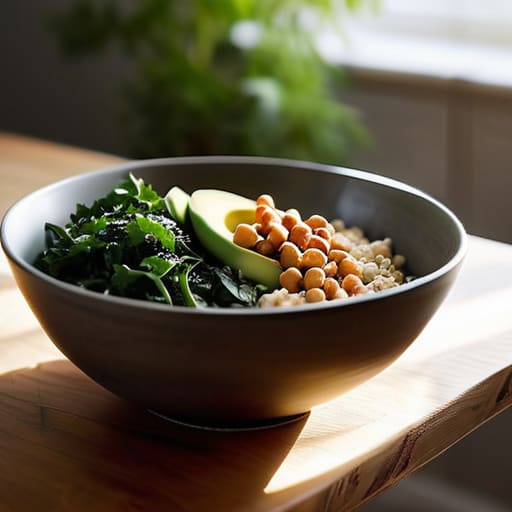
At the end of the day, building a balanced meal isn’t about following a rigid, color-coded recipe or spending three hours prepping organic components. It’s really just about that simple framework we talked about: getting your protein in, adding some fiber-rich veggies, and choosing a carb that actually keeps you satisfied. If you’ve got a handful of greens, a canned bean, and some leftover rice, you’ve already won. Don’t let the fear of doing it wrong stop you from putting something nutritious in your bowl. The goal isn’t a Pinterest-worthy plate; it’s about fueling your body so you don’t crash by 3:00 PM.
I know how it feels when you look at a kitchen full of ingredients and feel completely overwhelmed, but I promise you don’t need a culinary degree to get this right. Life is messy, and some nights your “balanced meal” is going to be a rotisserie chicken and a bag of pre-washed salad, and that is perfectly okay. Focus on the systems that work for your actual life, not the idealized version of it. Once you stop chasing perfection, you’ll realize that good enough is actually great when it keeps you feeling steady, energized, and ready to tackle whatever your to-do list throws at you next.
Frequently Asked Questions
What do I do when I’m too exhausted to cook anything from scratch but don't want to just eat a bag of chips?
Look, I’ve been there—staring into a fridge at 7 PM feeling like my brain is fried. When I’m too wiped to actually cook, I lean on the “assembly method.” Forget recipes; just grab a rotisserie chicken, a bag of pre-washed arugula, and some microwaveable quinoa. It takes five minutes, zero chopping, and it’s infinitely better for you than a bag of chips. It’s not a gourmet feast, but it’s fuel that won’t leave you crashing.
Is it actually okay to swap out healthy stuff for my favorite comfort foods every once in a while?
Look, if I spent every single night meticulously weighing kale and quinoa, I’d probably lose my mind. The short answer? Yes. Absolutely.
How do I keep track of all these different food groups when I'm meal prepping for a busy work week?
Honestly, don’t try to memorize a spreadsheet. I used to do that until I realized I was spending more time calculating ratios than actually eating. Now, I just use the “Division Method.” I grab my meal prep containers and physically divide them into zones: one big zone for veggies, one for protein, and one for carbs. If a container looks lopsided, I know I’m missing a group. It’s visual, it’s fast, and it actually works.