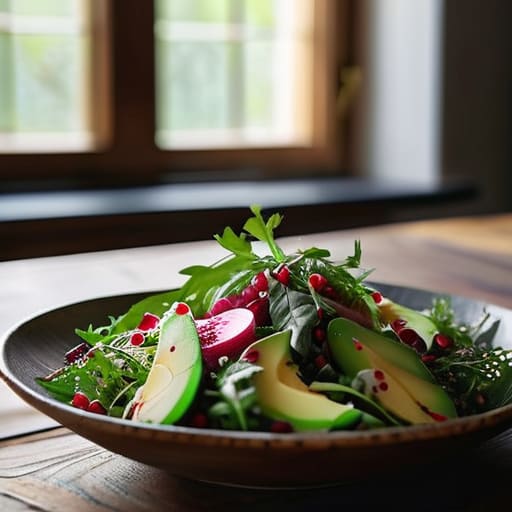
I used to think that if I wanted to stop eating sad, lonely bowls of wilted spinach, I’d have to spend forty dollars on a single wedge of artisanal goat cheese and some edible flowers that look pretty but taste like nothing. I was so tired of the “aesthetic” food culture telling me that how to make salad interesting required a grocery haul that cost more than my monthly internet bill. Honestly, I just wanted a meal that actually kept me full through a long afternoon of project managing without feeling like I was chewing on wet lawn clippings.
I’m not here to give you a list of expensive, hard-to-find superfoods that you’ll only use once. Instead, I’m sharing the messy, low-budget systems I’ve actually used in my own kitchen to turn basic greens into something worth eating. We’re going to talk about texture, pantry staples, and the simple hacks that make a bowl of vegetables feel like a real meal. No performative perfection here—just practical ways to make your lunch actually taste like something.
Table of Contents
Mastering Flavor Balancing in Salads Without Fancy Ingredients
Look, you don’t need a pantry full of expensive truffle oils or imported balsamic to stop your greens from tasting like lawn clippings. Real flavor balancing in salads is actually pretty simple once you realize it’s just a game of tug-of-war between acid, fat, and salt. If your bowl tastes flat, you’re probably missing an acid—think a squeeze of lemon or even a splash of the pickle juice from that jar in your fridge. If it’s too sharp, a bit of fat, like some crumbled feta or even just a drizzle of olive oil, will smooth everything out.
The secret to making a salad feel like a real meal rather than a side dish is leaning into contrast. I always tell people that if everything in your bowl is soft, you’re going to be bored within three bites. You need to focus on adding texture to salads by throwing in something crunchy, like toasted sunflower seeds or even those leftover croutons from a grocery store deli. It’s not about being fancy; it’s about making sure your mouth actually has something to do while you’re eating.
Adding Texture to Salads So You Actually Feel Full
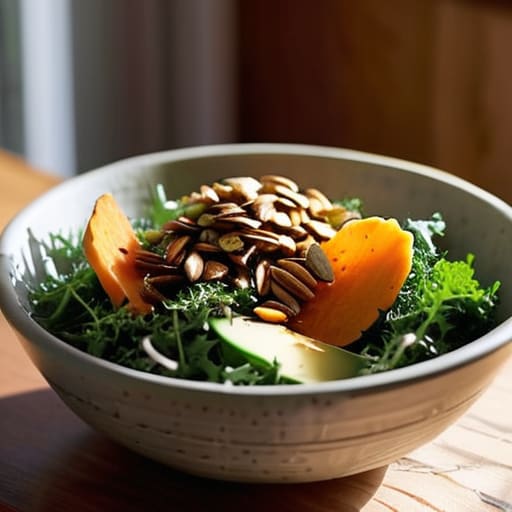
If you’ve ever finished a bowl of greens and felt immediately hungry again ten minutes later, it’s probably because your salad lacked substance. A pile of leaves is basically just flavored water; you need something to chew on to actually signal to your brain that you’re eating a meal. When it comes to adding texture to salads, I’ve learned that the secret is the “crunch factor.” I always keep a jar of toasted sunflower seeds or even just some crushed-up pita chips in my pantry. It sounds simple, but that physical resistance when you bite into something crunchy makes the whole experience feel much more satisfying.
Don’t forget about the heavy hitters, either. If you’re trying to turn a side dish into a real lunch, look into protein additions for salads like a tin of chickpeas, some leftover roasted chicken, or a hard-boiled egg. I like to mix a soft element—like creamy avocado or feta—with something sharp and crisp, like sliced radishes or cucumbers. This contrast is what keeps you from getting bored halfway through the bowl.
The "No-Effort" Upgrades for a Better Bowl
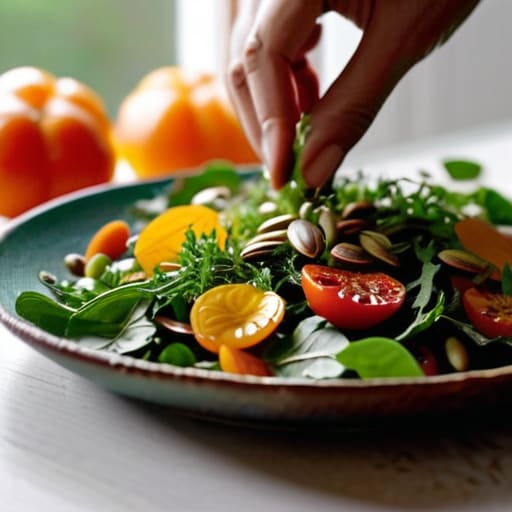
- Stop relying on store-bought dressing. Most of them are just glorified sugar water. Keep a bottle of decent olive oil, some balsamic or apple cider vinegar, and a jar of Dijon mustard in your fridge. Whisk them together with a little salt and pepper, and you’ve got a dressing that actually tastes like real food.
- Use your leftovers as salad toppers. Did you make a little too much roasted sweet potato or grilled chicken last night? Don’t let it sit in a Tupperware looking sad. Toss it into your greens. It adds substance and saves you from actually having to “cook” a meal.
- Lean into the “acid” rule. If your salad tastes flat or boring, it’s probably not missing salt—it’s missing acid. Squeeze half a lemon over it or throw in some pickled red onions. It wakes up the whole bowl and makes everything taste brighter.
- Don’t be afraid of “weird” ingredients. I’ve learned that a handful of dried cranberries, some crumbled feta, or even just a sprinkle of sunflower seeds can completely change the vibe. If it’s in your pantry and it provides a little pop of flavor, throw it in.
- Season your greens directly. This is a game changer: sprinkle a tiny bit of salt and pepper directly onto the lettuce before you add anything else. It sounds extra, but it ensures every single bite is seasoned, rather than just having a few salty bits buried at the bottom.
The "No-Sad-Salad" Cheat Sheet
Stop relying on just lettuce; if you aren’t adding a crunch (nuts, seeds, or even crushed crackers) and a punch of flavor (acid or salt), you’re just eating a bowl of water.
Think in layers—you need something soft, something crunchy, something salty, and something bright to actually feel satisfied.
Don’t overcomplicate the dressing; a quick splash of vinegar and oil is better than a store-bought bottle that tastes like chemicals and makes your greens wilt in five minutes.
## The Real Secret to a Better Salad
“Forget the Pinterest-perfect bowls for a second; a salad only works if it actually satisfies you, which usually means ditching the sad, single-note greens and throwing in whatever crunchy, tangy, or salty thing you have in your pantry to make it feel like a real meal.”
Maya Sterling
Stop Overthinking the Bowl
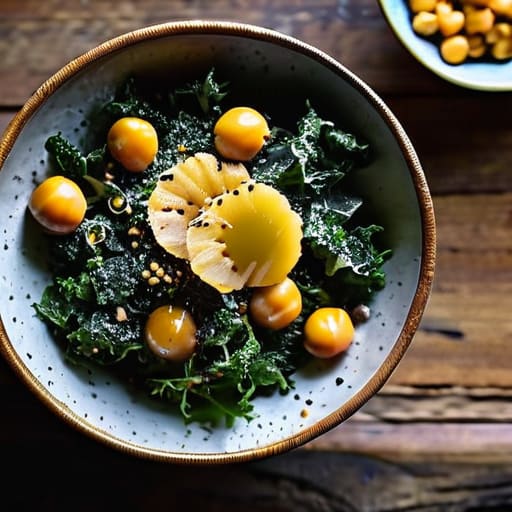
At the end of the day, making a salad that doesn’t feel like a chore is just about playing with the basics. You don’t need a trip to a specialty grocer or a pantry full of expensive superfoods to make this work. It really just comes down to the two things we talked about: balancing your flavors so it isn’t just one-note, and making sure there is enough crunch and substance so you aren’t reaching for a bag of chips ten minutes later. Whether you’re tossing in some leftover roasted chickpeas for texture or using a simple lemon-and-oil dressing to brighten things up, the goal is to make it work with what you have on hand right now.
I know that sometimes the idea of “meal prepping” or “eating healthy” feels like another massive project on an already overflowing to-do list. But please, give yourself permission to keep it messy. If your salad ends up looking like a pile of random scraps rather than a Pinterest-worthy masterpiece, that is perfectly fine. As long as it tastes good and actually fuels you, you’ve won. Life is too short to spend it eating boring, sad meals just because you think you’re supposed to. Just start where you are, grab a bowl, and see what sticks.
Frequently Asked Questions
I have a bunch of random veggies about to go bad—how do I turn them into a salad that doesn't just taste like a compost bin?
First, stop trying to save the “bad” stuff. If it’s slimy, toss it. But if it’s just looking a little tired, chop it small and sauté it first. Sautéing those limp peppers or wilting spinach makes them much more palatable in a bowl. Then, drown them in a heavy-handed vinaigrette—acid and salt are your best friends here. It masks the “fridge leftovers” vibe and turns a random pile into a real meal.
What’s the secret to making a dressing that actually tastes good without having to buy ten different expensive oils and vinegars?
Honestly, you don’t need a pantry full of $20 balsamic glazes to make a decent dressing. I swear by the golden ratio: three parts oil to one part acid. Grab whatever neutral oil you have—even a basic olive oil works—and hit it with something bright like apple cider vinegar or even just a squeeze of lemon. Add a dollop of Dijon mustard to help it emulsify so it doesn’t just puddle at the bottom. Simple, cheap, and it actually works.
How do I prep my greens so they don't turn into a soggy, sad mess by the time I'm ready to eat them for lunch?
The secret is all about moisture management. I’ve learned the hard way that even a tiny bit of dampness is a death sentence for greens. If you can, invest in a salad spinner—it’s a total game-changer. If not, lay them out on a kitchen towel to air dry completely. When you’re packing your lunch, keep the dressing in a separate little container. Don’t let it touch the leaves until you’re actually ready to eat.