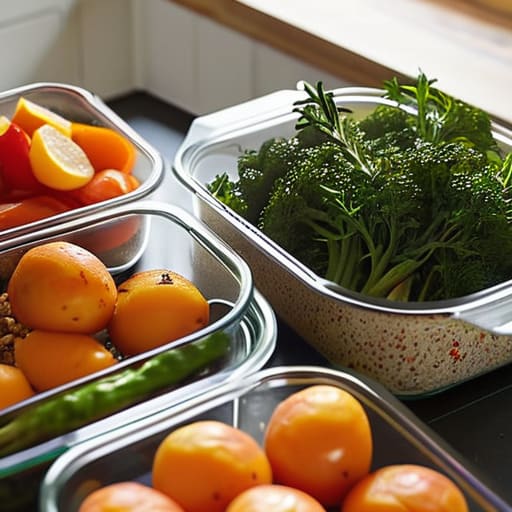
If you’ve spent any time on social media lately, you’ve probably seen those “meal prep” videos where someone spends six hours in a pristine, white kitchen, meticulously arranging rainbow-colored quinoa bowls into identical glass containers that cost more than my monthly grocery budget. Honestly? It’s exhausting, and it’s a total lie. Most of us aren’t trying to win a lifestyle competition; we’re just trying to survive a Tuesday without spending thirty dollars on lukewarm takeout because we’re too tired to think. I used to think learning how to meal prep meant I had to become a part-time chef with a color-coded pantry, but I quickly realized that the “aesthetic” approach is the fastest way to burn out and end up ordering pizza anyway.
I’m not here to sell you on a lifestyle you can’t maintain. Instead, I want to show you my actual, messy methods for prepping food that fits into a real, busy life. We’re going to skip the expensive gadgets and the performative plating, and instead focus on functional systems that save you time and sanity. My goal is to give you a realistic roadmap for how to meal prep so that you actually eat well, stay on budget, and—most importantly—don’t feel overwhelmed by your own kitchen.
Table of Contents
Ditch the Aesthetic Practical Meal Prep Containers for Storage
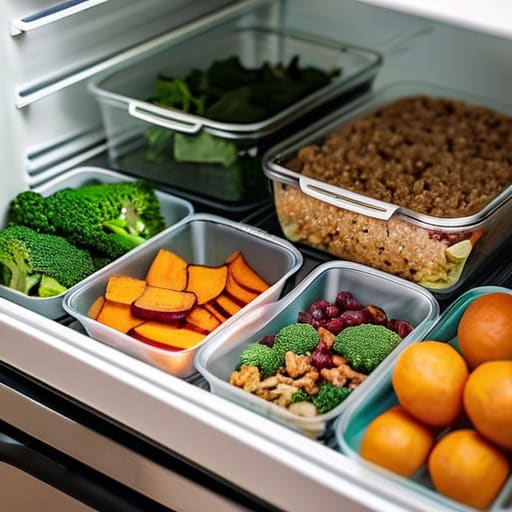
Look, I know those Pinterest boards filled with perfectly color-coordinated glass sets look dreamy, but let’s be real: they’re expensive and a pain to wash. If you’re just starting out, don’t feel pressured to drop a hundred bucks on a matching set. I started with some mismatched plastic bins I found in the back of my pantry, and honestly? It worked fine. The goal is simply to have something that seals well so your food doesn’t turn into a soggy mess by Thursday. If you’re looking for budget friendly meal prep options, look for sets that are stackable to save space in a tiny fridge, but don’t worry about them being “Instagrammable.”
When choosing your meal prep containers for storage, think about what you’re actually making. If you’re doing a lot of batch cooking, you’ll want something sturdy that can handle a microwave without warping. I personally swear by a mix of glass for things I need to reheat and lightweight BPA-free plastic for cold salads or snacks. Function over fashion, every single time. If the lid snaps on tight and it fits in your bag, you’ve won.
Budget Friendly Meal Prep That Actually Saves You Money
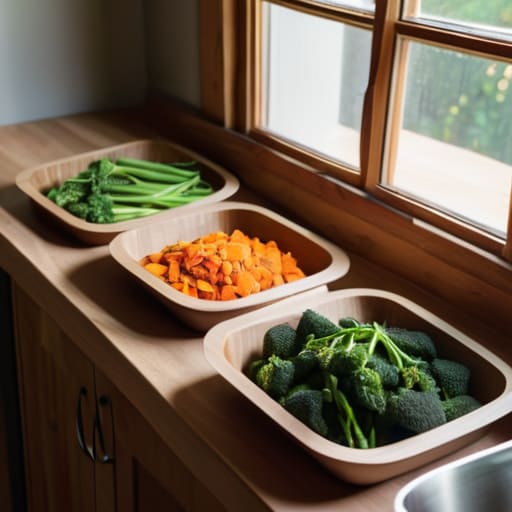
Look, I’ve been there—standing in the grocery aisle at 6:00 PM on a Tuesday, staring at a $15 salad kit and realizing I’m about to blow my entire weekly food budget just because I’m too tired to think. The secret to budget friendly meal prep isn’t buying fancy organic superfoods; it’s about leaning into the basics. I’ve found that focusing on versatile staples like dried lentils, rice, and seasonal veggies makes a massive difference. When you stop trying to recreate a five-star menu and start focusing on building “base” ingredients, your grocery bill will drop almost instantly.
One of my favorite batch cooking techniques is the “component method.” Instead of making five identical meals, I cook a large tray of roasted sweet potatoes, a big pot of quinoa, and two different proteins. This way, you aren’t bored by Wednesday, but you still aren’t spending a fortune on takeout. It’s much more sustainable than trying to follow a rigid, expensive recipe book. Just prep what you can afford and what actually tastes good to you.
Five Ways to Prep Without Losing Your Mind
- Don’t try to cook five new recipes on a Sunday. You’ll end up exhausted and staring at a pile of dirty dishes. Instead, just pick one protein, one grain, and two veggies to rotate through the week.
- Master the “component prep” method. I don’t spend hours making specific meals; I just roast a big tray of sweet potatoes and boil a pot of quinoa. It makes throwing a bowl together on a Tuesday night feel like a win rather than a chore.
- Use your freezer as a safety net. If you realize you overcooked a batch of taco meat, don’t let it go to waste—portion it out and freeze it immediately. It’s basically a homemade “emergency meal” for those nights when you’re too tired to even think.
- Stop obsessing over “perfect” timing. If you only have twenty minutes to chop onions before your next freelance call, just do the onions. Meal prepping is a sliding scale, not an all-or-nothing lifestyle.
- Keep your spices within arm’s reach. There is nothing more frustrating than being mid-prep and realizing you have to dig through the back of a cluttered pantry for the cumin. Keep your essentials in a small, reachable bin so you can move faster.
The Bottom Line: Keep It Simple and Sustainable
Stop trying to match your Tupperware colors; just buy what fits your fridge and actually keeps your food from getting mushy.
Focus on “component prepping” rather than full meals so you don’t get bored of eating the exact same thing by Thursday.
Use your grocery list as a roadmap to avoid the impulse buys that turn your meal prep budget into a total waste of money.
The Real Goal of Prep
“Meal prepping isn’t about having a fridge that looks like a Pinterest board; it’s about making sure that when you’re exhausted on a Tuesday night, you actually have something edible ready so you don’t end up spending twenty bucks on lukewarm takeout.”
Maya Sterling
The Bottom Line
At the end of the day, meal prepping isn’t about having a fridge that looks like a Pinterest board or spending six hours every Sunday meticulously portioning out kale salads. It’s really just about making life a little bit easier for your future self. We’ve talked about finding containers that actually fit your lifestyle, keeping your grocery bill from spiraling, and choosing methods that don’t leave you feeling like a short-order cook in your own kitchen. If you can master even just one small system—like prepping your proteins or just chopping a few extra veggies—you’ve already won half the battle. It’s about functional efficiency, not performative perfection.
I know how overwhelming it feels when you’re staring at a pile of groceries and a long to-do list, wondering if you even have the energy to eat something that didn’t come out of a drive-thru window. Please, give yourself some grace. Some weeks you’ll crush it and have every lunch planned out, and other weeks you’ll end up eating cereal for dinner because life happened. Both are okay. The goal is to build a toolkit that works for you, on your terms. Start small, keep it messy if you have to, and just focus on making things a little more manageable one container at a time. You’ve got this.
Frequently Asked Questions
How do I stop my prepped meals from getting soggy or tasting like a science experiment by Thursday?
The “science experiment” phase is the absolute worst. To avoid the dreaded soggy salad or mushy leftovers, my golden rule is: keep the wet stuff away from the dry stuff. If you’re prepping salads, put the dressing in a tiny separate container—don’t commit to the soak early. Also, let your hot food cool down completely before snapping the lid on. Trapping steam is basically just creating a tiny, sad sauna for your veggies.
I'm already overwhelmed—do I really need to spend my entire Sunday in the kitchen to make this work?
Absolutely not. If your meal prep requires a marathon session that leaves you exhausted for Monday, the system is broken. I’m all for “batch cooking,” but I’m also a fan of “component prepping.” Instead of making five identical meals, just roast a big tray of veggies and cook some grains. It takes twenty minutes, and you can mix and match them all week. Work with your energy levels, not against them.
What are some actual ways to mix up flavors so I don't end up hating my life after eating the same chicken and rice for five days straight?
Look, I’ve been there. By day four, even my favorite chicken feels like cardboard. The trick isn’t cooking five different meals; it’s building a “flavor toolkit.” Keep a few versatile sauces on hand—like a spicy sriracha mayo, a tangy pesto, or even just some good soy sauce. Also, don’t skimp on the dried spices. Switching from taco seasoning on Monday to lemon pepper on Thursday changes the entire vibe without extra effort.