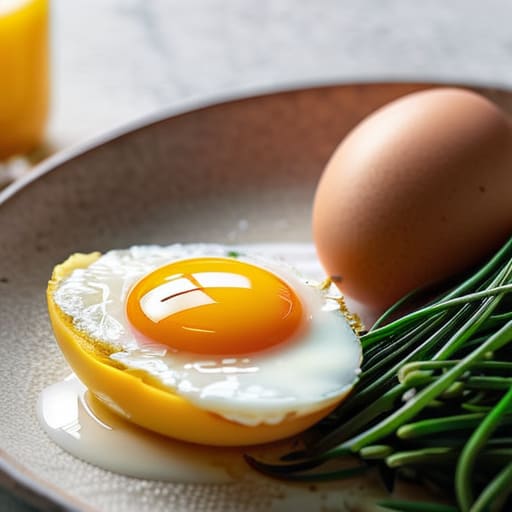
I am so tired of seeing those “perfect” breakfast tutorials where someone spends twenty minutes arranging microgreens on a cloud-like omelet that looks more like a piece of art than actual food. If you’ve ever scrolled through social media and felt like you were failing at the simplest task in the kitchen, let me tell you: the internet has lied to you about how to cook eggs. You don’t need a copper pan, a sous-vide machine, or a culinary degree to get a decent meal on the table before your first Zoom call. Most of those “aesthetic” recipes are just performative perfection that leaves you with a sink full of dishes and a hungry stomach.
I’m not here to teach you how to make a Michelin-star soufflé; I’m here to give you the systems that actually work when you’re running on four hours of sleep. We’re going to strip away the fluff and focus on the functional basics—the kind of reliable, low-effort methods that save you time and money. Whether you want something scramble-style that actually stays creamy or a hard-boiled egg that doesn’t look like a science experiment, I’ve got you. Let’s get into the real-world ways to master your breakfast without the stress.
Table of Contents
Mastering Egg Yolk Consistency Without the Kitchen Stress
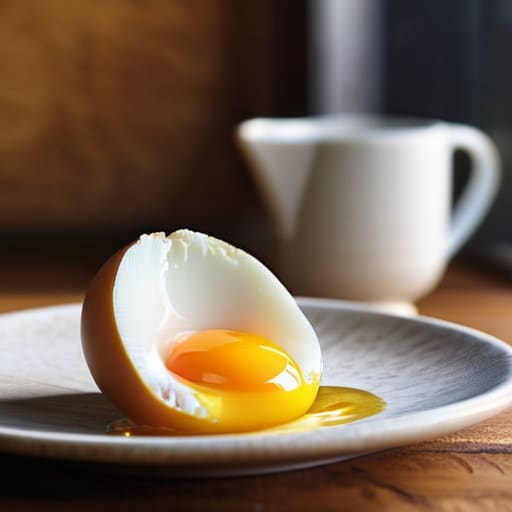
We’ve all been there: you’re staring at a pan, hoping for that perfect, jammy center, only to end up with something that looks more like rubber than breakfast. Achieving that ideal egg yolk consistency isn’t about having a culinary degree; it’s really just about managing your expectations and your heat. If you’re aiming for soft-boiled perfection, stop guessing and start using a timer. I keep a little boiled egg timing guide taped to the inside of my pantry cabinet because, let’s be real, even I forget if six minutes or seven is the sweet spot for a liquid gold center.
When you’re moving away from boiling and into the pan, the secret lies in how you handle the heat. If you crank it too high, you’ll get those crispy, browned edges that some people love but I personally find a bit distracting. For those creamy, cafe-style results, focus on low egg cooking temperatures. Slow and steady wins the race here. It takes an extra minute or two, but it’s the difference between a dry, chalky mess and a breakfast that actually feels like a treat.
Scrambled Egg Texture Tips for Busy Hungry Mornings
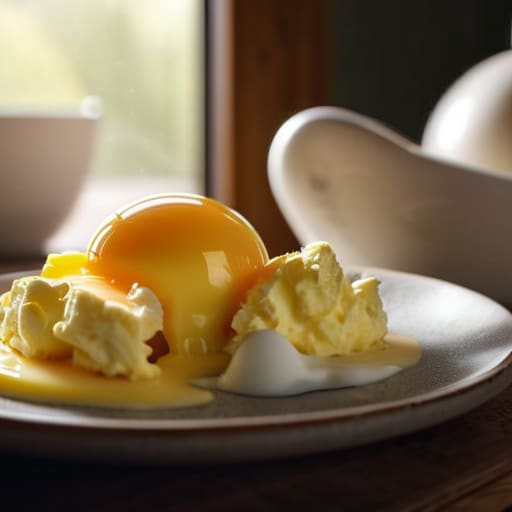
Look, I get it. On a Tuesday morning when you’re staring down a deadline and your coffee hasn’t even kicked in yet, you don’t want a culinary masterpiece; you just want something that doesn’t taste like rubber. The biggest mistake I see people make is treating the pan like a high-stakes science experiment. If you leave them on high heat for too long, you end up with those dry, spongey bits that feel like eating a yellow eraser. My go-to scrambled egg texture tips involve one simple rule: pull them off the heat while they still look slightly “wet.” They’ll finish cooking on the plate from their own residual heat, ensuring they stay creamy rather than turning into grit.
If you’re still struggling with consistency, it’s likely your egg cooking temperatures are just a bit too aggressive. I’ve learned the hard way that medium-low is your best friend. It takes an extra minute, but it prevents that frantic scrambling that leads to a mess. Just keep a spatula in hand, move them gently, and don’t overthink it. It’s not about being a chef; it’s about getting decent fuel in your system so you can actually tackle your to-do list.
5 ways to stop overcomplicating your breakfast
- Stop using high heat. I used to think more heat meant faster cooking, but all it did was turn my eggs into rubbery little pucks. Keep it low and slow; your patience will pay off in a much creamier texture.
- Get the butter right. Don’t just toss a cold slab into a hot pan. Wait for it to foam slightly—that’s your signal that the pan is ready and you’re about to get that perfect, non-stick glide.
- Season at the very end. If you salt your eggs too early, especially when making soft scrambles, it can actually change the texture and make them a bit watery. Salt right before they hit the plate to keep them fluffy.
- Use a silicone spatula. I know, it’s not the most “chef-y” tool, but it’s a lifesaver for scraping every last bit of delicious egg off the bottom of the pan so nothing gets wasted or burnt.
- Don’t fear the “messy” pan. You don’t need a professional non-stick skillet to make this work. Even if your pan is a little seasoned or older, just use a tiny bit more fat (butter or oil) and you’ll be fine.
The "No-Stress" Egg Cheat Sheet
Stop obsessing over the perfect timer; just watch the pan. Eggs cook fast, and it’s much easier to pull them off the heat a few seconds early than to try and fix a rubbery, overcooked mess.
Invest in one decent non-stick pan and a silicone spatula. You don’t need a professional chef’s kit, but having tools that actually glide will save you from the frustration of scraping burnt bits off your breakfast.
Keep it simple with your ingredients. You don’t need expensive truffle oils or fancy seasonings to make a good egg—just a little salt, a bit of fat (like butter or even a quick spray of oil), and a method that works for your schedule.
Forget the perfect plating
At the end of the day, I don’t care if your eggs look like a Michelin-star masterpiece or a scrambled mess in a bowl; I just want them to be hot, delicious, and done in five minutes so you can actually get on with your life.
Maya Sterling
Real Talk: Just Crack Them and Go
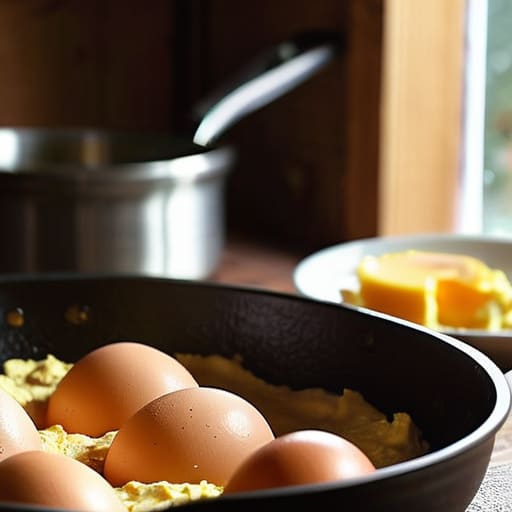
At the end of the day, whether you’re chasing that perfect, jammy yolk or just trying to get some protein into your system before a long day of freelance calls, the goal isn’t to mimic a professional chef. We’ve covered how to control your heat to avoid rubbery whites and how to keep your scrambled eggs soft instead of dry and crumbly. It’s really just about understanding the basics of how heat interacts with the pan. You don’t need a $500 copper skillet or a culinary degree to get a decent breakfast; you just need a little bit of practice and a non-stick pan that actually works.
I know that some mornings, the idea of even standing at the stove feels like a chore on top of an already overflowing to-do list. But please, give yourself permission to skip the garnish and the fancy sourdough toast if that’s all you have the energy for. Cooking should serve your life, not become another performative task on your checklist. If you master these few little egg tricks, you’ll find that breakfast becomes one less thing to stress about and one more small, functional win for your day. Now, go grab a spatula and just get some food in your stomach.
Frequently Asked Questions
How do I know if my eggs are actually fresh without buying a fancy testing kit?
Honestly, save your money—you don’t need a gadget for this. I always use the float test. Grab a glass of water and drop an egg in. If it sinks and lays flat, it’s perfect. If it stands up on one end but stays down, it’s getting older but still fine for baking. But if it floats to the top? Toss it. That’s your sign it’s gone bad. Simple, cheap, and zero guesswork.
Is there a way to meal prep hard-boiled eggs so they don't get that weird, sulfurous smell in the fridge?
That sulfur smell is the absolute worst—it’s basically a sign you overcooked them. To avoid that “stinky fridge” vibe, stop boiling them for ten minutes. Instead, try the “hot start” method: drop them into already boiling water, let them simmer for exactly 9 to 11 minutes, then immediately plunge them into an ice bath. This stops the cooking process instantly and keeps those yolks creamy instead of gray and smelly.
What's the best way to cook eggs when I'm working with a tiny apartment kitchen and zero counter space?
Honestly, the “one-pan wonder” is your best friend when you’re living in a shoebox. Forget trying to prep a bunch of bowls; you don’t have the room. I swear by the “prep-as-you-go” method: crack your eggs directly into a small ramekin or even a mug first. It saves me from a massive cleanup and keeps the mess contained to one tiny spot on the stove. Minimal dishes, maximum efficiency.