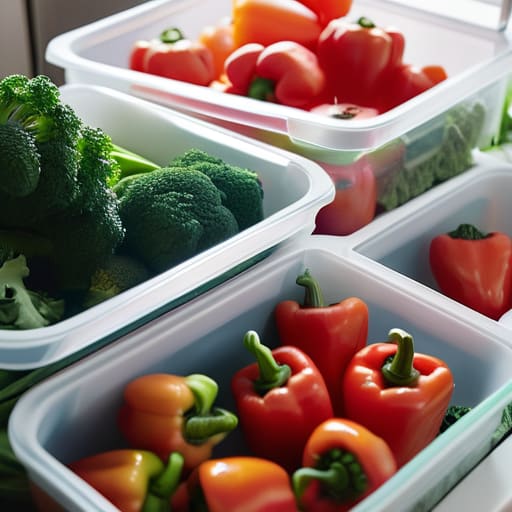
I used to stare at those “aesthetic” meal prep videos on TikTok—the ones where people spend hundreds of dollars on matching glass canisters and high-end vacuum sealers just to organize a single batch of soup—and I felt like I was failing at adulthood. It’s incredibly frustrating how the internet makes it seem like you need a professional-grade laboratory just to learn how to freeze food without it turning into a block of ice. Honestly, if I see one more person suggest that you need a $300 gadget to keep your spinach from turning into mush, I might lose it. We don’t need more performative kitchen gear; we just need to know what actually works when the grocery bill is high and time is low.
In this post, I’m skipping the expensive fluff and giving you the real, messy, tested methods I use in my own tiny kitchen. I’ll show you how to maximize what you already own—even if it’s just a drawer full of mismatched Tupperware—so you can stop wasting money and start actually saving it. This isn’t about having a Pinterest-perfect freezer; it’s about functional systems that make your life easier.
Table of Contents
Ditch the Fancy Gear for Better Vacuum Sealing for Preservation
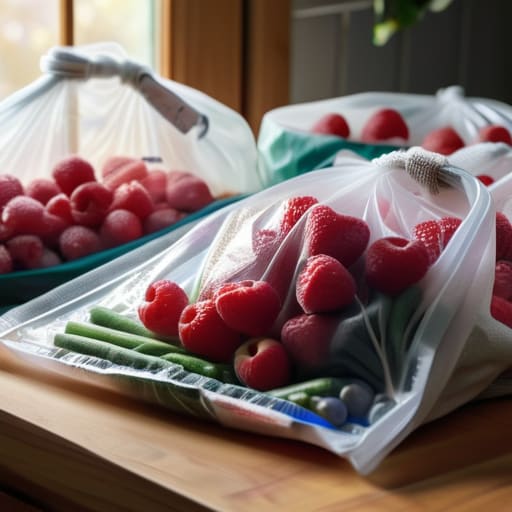
I see those sleek, $300 vacuum sealers all over my social media feeds, and honestly? They look great on a marble countertop, but they’re usually overkill for a normal Tuesday. If you’re looking into vacuum sealing for preservation just to save a few bucks on groceries, you don’t need a professional-grade setup. I used to think I needed that heavy-duty machinery to keep my berries from turning into ice blocks, but I’ve found that simple, heavy-duty freezer bags work surprisingly well if you’re smart about how you use them.
The real secret to preventing freezer burn isn’t the machine; it’s the air. Instead of a fancy pump, try the “water displacement method.” Just submerge your bag in a bowl of water as you zip it shut, letting the pressure push the air out naturally. It’s a little bit of a science experiment, sure, but it works. It keeps your leftovers from getting that weird, icy texture that makes everything taste like cardboard. You don’t need a high-tech lab to master the art of the freezer; you just need a little bit of common sense and some sturdy bags.
The Messy Truth About Freezing Vegetables and Fruits Effectively
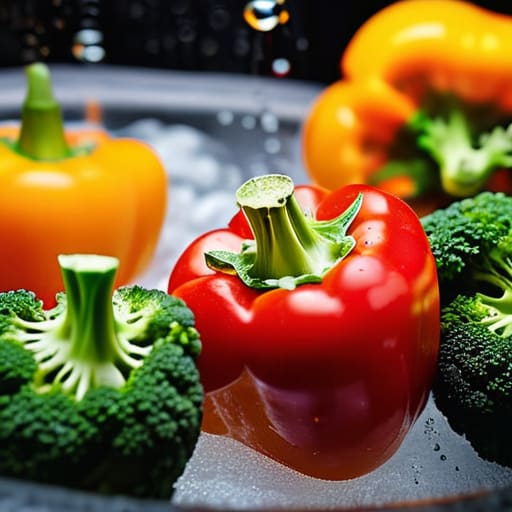
Look, I’ve definitely learned the hard way that you can’t just toss a whole, raw bell pepper into a bag and expect it to taste like fresh heaven three months later. If you don’t take a second to prep, you’ll end up with a mushy, sad mess that’s basically unusable for anything but a mediocre soup. When it comes to freezing vegetables and fruits, the secret isn’t some high-tech gadget; it’s actually just a quick blanching session. I know, it sounds like an extra chore, but boiling your veggies for just a couple of minutes and then hitting them with an ice bath stops those enzymes from turning everything into sludge.
It’s also worth noting that moisture is your biggest enemy here. If you try to freeze berries that are still damp from washing, you’re basically creating ice crystals that lead to major freezer burn. I usually spread my fruit out on a baking sheet to freeze individually before bagging them up—it’s a bit of a pain, but it keeps them from turning into one giant, frozen brick. Knowing these little quirks is one of the most important best practices for food storage if you actually want to save money instead of just filling your freezer with waste.
My Five Non-Negotiable Rules for Not Ruining Your Freezer Stash
- Don’t bother with those expensive silicone bags if you’re on a budget; a standard Ziploc works perfectly fine as long as you squeeze every last bit of air out before sealing it.
- If you’re freezing leftovers like soup or chili, leave a little extra room at the top of the container because liquids expand as they freeze, and nobody wants a soup explosion in their freezer.
- Use a permanent marker to write the date and exactly what’s inside on the bag, because “mystery frozen lump” is not a helpful label three months from now.
- Try to freeze things in flat layers—like spreading out a layer of cooked grains or sauce in a bag—so they stack easily and thaw much faster when you actually need them.
- If you’re freezing meat, portion it out into single-serving amounts before it goes in; there is nothing more frustrating than having to thaw an entire roast just to use one small piece.
The Low-Stress Summary
Forget the expensive gadgets; your mismatched Tupperware and basic Ziploc bags are more than enough to get the job done if you use them right.
Don’t skip the blanching step for your veggies—it’s a little extra work upfront, but it stops that weird, mushy texture from ruining your dinner later.
Label everything with a Sharpie and a piece of masking tape; trust me, “mystery frozen block” is not a meal you want to be staring at three weeks from now.
The Real Goal of Meal Prep
“Look, the goal isn’t to have a Pinterest-perfect freezer filled with identical, labeled bags; the goal is to open that door on a Tuesday night when you’re exhausted and actually find something edible that hasn’t turned into a block of freezer burn.”
Maya Sterling
At the End of the Day
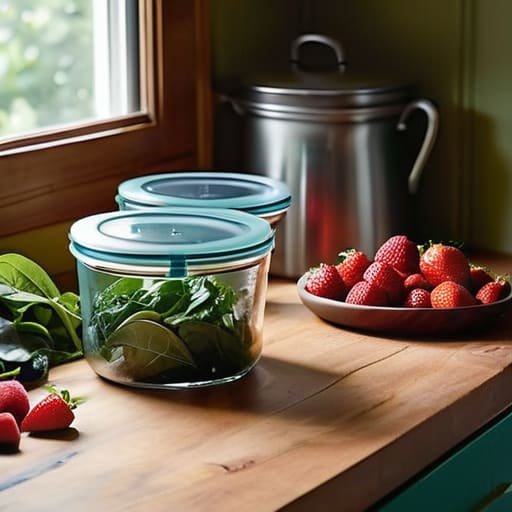
Look, if you take anything away from this, let it be that you don’t need a Pinterest-perfect pantry to be successful at food preservation. Whether you’re just tossing leftovers into mismatched Tupperware, blanching a handful of wilting greens, or experimenting with different freezing methods for your fruit, the goal is simply to stop the waste. It’s about using what you already have in your kitchen to make your future self a little less stressed and a lot more prepared. You don’t need the expensive vacuum sealer or the color-coded labeling system to make this work; you just need a functional plan that fits into your actual, busy life.
I know that looking at a pile of groceries and thinking about the effort of prepping them can feel like just another chore on an endless to-do list. But I promise, once you get into the rhythm of it, it becomes a small act of kindness to your future self. There is something so incredibly grounding about opening your freezer on a Tuesday night when you’re exhausted and finding a meal that’s ready to go. Don’t aim for perfection—just aim for progress over aesthetics. Start small, use what you’ve got, and remember that a little bit of organization goes a long way in making life feel just a bit more manageable.
Frequently Asked Questions
How do I know if my food has gone bad in the freezer, or if it's just freezer burn?
Here’s the quick reality check: freezer burn is mostly just an aesthetic nightmare. If you see those icy, grayish patches on meat or shriveled spots on fruit, it’s just dehydration. It might taste a little “off” or papery, but it’s safe to eat. However, if you open a package and it smells sour, feels slimy, or has weirdly discolored patches that aren’t just ice, toss it. When in doubt, trust your nose, not your eyes.
Is it actually safe to refreeze something after it's already been thawed out once?
Look, I’ve definitely been there—staring at a package of chicken that thawed too fast and wondering if I’m playing Russian roulette with my stomach. Here’s the deal: if it’s been sitting in the fridge, you’re usually fine to refreeze it, but the texture might get a little sad and icy. If it sat out on the counter for a while? Toss it. It’s not worth the risk or the potential food poisoning.
How long can I realistically keep things like meat or cooked meals in the freezer before they start tasting like nothing?
Look, if you’re asking about flavor, we’re talking about “quality life” rather than “safety life.” Technically, meat is safe indefinitely if it’s frozen solid, but nobody wants a gray, freezer-burned steak. For the best taste, aim for three months for raw meat and about two months for cooked meals. Beyond that, things start picking up those weird “freezer smells.” Just keep an eye on the dates—it’s not about perfection, just avoiding a sad dinner.