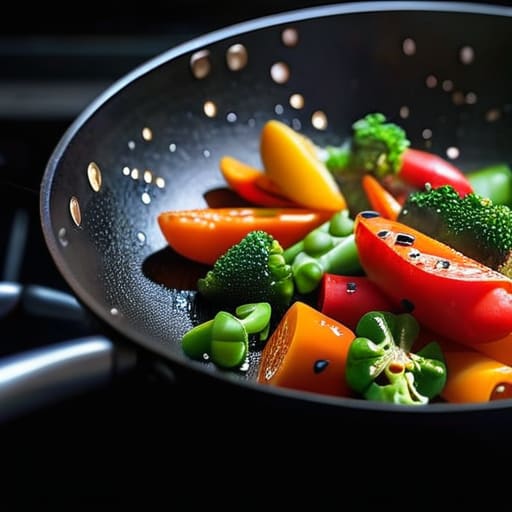
I’m so tired of seeing those “perfect” cooking videos where someone spends forty minutes prepping a rainbow of organic vegetables just to toss them into a wok for three minutes of actual cooking. Honestly, if I see one more recipe claiming that you need a specific, expensive artisanal soy sauce or a professional-grade carbon steel wok to master how to make a stir fry, I might lose it. We aren’t trying to win a Michelin star here; we’re just trying to get a decent meal on the table after a long day of freelance deadlines without spending a fortune on groceries that will just wilt in the crisper drawer.
I’m not here to give you a lecture on culinary school techniques or tell you to buy more kitchen gadgets. Instead, I’m going to show you the messy, realistic way to handle a pan. I’ll share the exact shortcuts I use to turn whatever random, slightly sad vegetables are left in my fridge into something that actually tastes good. This is about building a system that works for your actual life, focusing on flavor and speed rather than performative plating.
Table of Contents
- Smart Vegetable Prep for Stir Fry Without the Kitchen Chaos
- Protein Seasoning for Stir Fry That Actually Delivers Flavor
- 5 Ways to Stop Your Stir Fry from Turning Into a Soggy Mess
- The Stir Fry Survival Guide: My Three Golden Rules
- The Secret to a Stress-Free Pan
- The Final Toss
- Frequently Asked Questions
Smart Vegetable Prep for Stir Fry Without the Kitchen Chaos
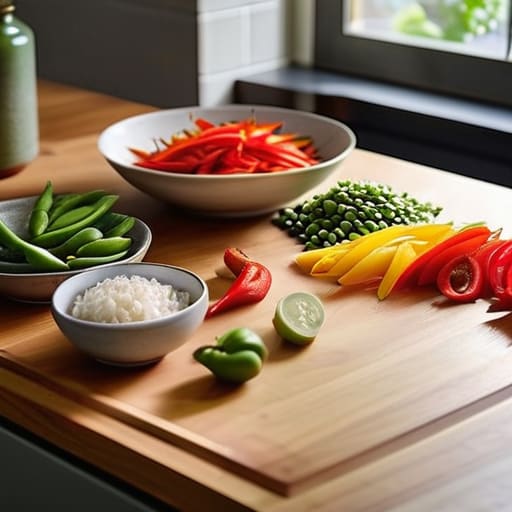
The secret to not losing your mind halfway through cooking is getting all your vegetable prep for stir fry done before you even touch the stove. I used to turn the heat on first, only to realize I hadn’t even sliced the bell peppers yet. That’s a recipe for burnt garlic and a very stressed-out me. Instead, clear a space on your counter and chop everything into uniform, bite-sized pieces. This isn’t about being a professional chef; it’s about making sure everything hits the pan at the right time so nothing ends up mushy or raw.
I also like to group my ingredients into little “stations” on my cutting board. Keep your aromatics like ginger and garlic in one pile, your hearty veggies (think carrots or broccoli) in another, and your quicker-cooking greens in a third. If you’re also prepping your meat, get that protein seasoning for stir fry finished and sitting in a small bowl nearby. Having these little organized clusters means you can focus on the heat rather than frantically searching for a knife while your oil is smoking.
Protein Seasoning for Stir Fry That Actually Delivers Flavor
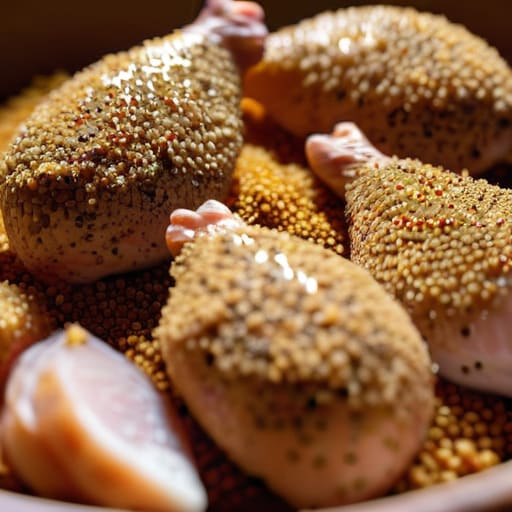
Now, let’s talk about the star of the show: the protein. I used to make the mistake of tossing plain, unseasoned chicken or tofu straight into the pan, only to end up with something that tasted… well, like nothing. If you want those quick weeknight meals to actually taste like they came from a restaurant, you have to season your protein before it hits the heat. I’m a big believer in a simple dry rub of salt, pepper, and a little garlic powder while the meat sits. It builds a base layer of flavor that stays with the protein even after it’s drenched in sauce.
If you’re feeling a bit more adventurous, try a quick marinade with a splash of soy sauce and a teaspoon of cornstarch. This is a total game-changer for texture; the cornstarch helps create that slightly crispy exterior that holds onto your stir fry sauce ingredients like a sponge. Just don’t overdo the liquid, or you’ll end up steaming your meat instead of searing it. Keep it simple, keep it focused, and trust me, your taste buds will thank you.
5 Ways to Stop Your Stir Fry from Turning Into a Soggy Mess
- Don’t crowd the pan. I know it’s tempting to dump everything in at once to save time, but if your pan is packed tight, the temperature drops and your veggies start steaming instead of searing. Cook in batches if you have to; a little extra effort upfront means you actually get those crispy, charred edges.
- Master the “order of operations.” Not all ingredients are created equal. Start with your hard hitters like carrots or broccoli, let them get a head start, and save the delicate stuff like spinach or bean sprouts for the very last minute. If you throw everything in at once, you’ll end up with a pile of mush.
- Keep your sauce separate until the end. One of my biggest mistakes early on was pouring the sauce in too soon. Wait until your protein and veggies are cooked through, then pour the sauce in. It should coat everything beautifully and thicken up just enough to cling to the food without drowning it.
- Use a high-heat oil, not the fancy stuff. Don’t waste your expensive extra virgin olive oil or avocado oil here. Use something with a high smoke point like canola, peanut, or vegetable oil. You want that heat to stay high so you can get that signature “wok hei” flavor without the oil breaking down and tasting bitter.
- Prep everything before you turn on the stove. Stir fry moves incredibly fast once that heat hits the pan. If you’re still chopping garlic while your onions are already burning, you’ve already lost the battle. Get your veggies, protein, and sauce in little bowls next to the stove so you can just grab and go.
The Stir Fry Survival Guide: My Three Golden Rules
Don’t let “perfect” veggies get in the way of a good meal; if they’re looking a little sad in the crisper drawer, they’re actually perfect for the pan.
Prep everything before you even touch the stove, because once that oil is hot, you won’t have a second to spare for chopping.
Lean into the seasoning early—getting your protein coated in flavor while you prep the veggies is the easiest way to ensure the final dish doesn’t taste bland.
The Secret to a Stress-Free Pan
“Stop worrying about perfectly uniform slices or fancy garnishes; a great stir fry is really just about getting your prep done before the heat starts, so you aren’t scrambling while your garlic turns bitter in the pan.”
Maya Sterling
The Final Toss
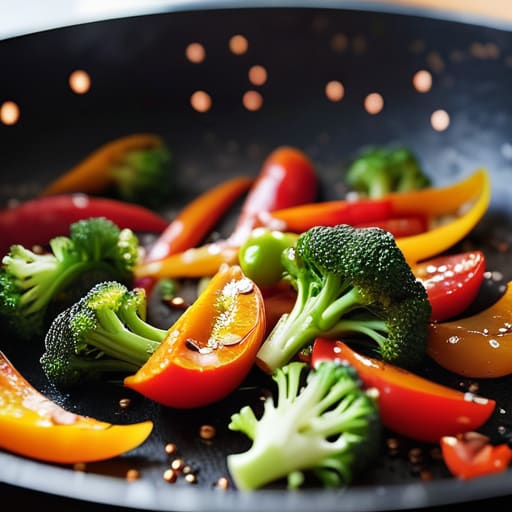
At the end of the day, making a great stir fry isn’t about mastering some complex culinary technique or having a professional-grade wok. It’s really just about the prep work and the seasoning. If you’ve managed to chop your veggies into uniform pieces so they cook evenly and you’ve taken those extra two minutes to coat your protein in something flavorful, you’ve already done the heavy lifting. Don’t get hung up on the perfect ratio of broccoli to bell peppers; just focus on getting that high heat working for you and keeping things moving in the pan. Once you have these basic systems down, you’ll realize that cooking a quick, nutritious meal is much less intimidating than it looks on those polished cooking shows.
I know that after a long workday, the last thing you want to do is face a mountain of prep work, but I promise that the payoff is worth the effort. There is something so incredibly satisfying about clearing out your crisper drawer and turning “nothing” into a hot, delicious meal that actually fuels you. You don’t need a perfectly curated kitchen or a pantry full of exotic ingredients to succeed here. Just grab your pan, trust your instincts, and remember that progress is better than perfection. You’ve got this, and honestly, it’s going to taste amazing.
Frequently Asked Questions
My veggies always turn out mushy—how do I keep them actually crunchy?
The secret is all about heat management and timing. If you throw everything in at once, the veggies at the bottom turn into mush before the top ones even cook. Instead, cook them in stages. Start with the “hard” stuff like carrots or broccoli, pull them out when they’re just barely tender, and toss them back in at the very end. Also, don’t crowd the pan—if it’s too full, they’ll steam instead of sear.
Do I really need a wok, or can I just use my regular heavy skillet?
Honestly? You do not need a fancy wok. I used to think I needed that heavy cast iron or a professional wok to get the “restaurant feel,” but let’s be real: most of us are just trying to get dinner on the table before the workday meltdown. Your heavy skillet is perfect. Just make sure it’s hot before the food hits the pan, and work in smaller batches so you aren’t steaming your veggies instead of searing them.
How do I stop the sauce from getting gummy or clumping at the bottom of the pan?
Honestly, the “gummy sauce” struggle is real. It usually happens because the cornstarch hits the hot pan directly and clumps before it can actually dissolve. My trick? Never pour starch straight into the wok. Mix your cornstarch with your liquid ingredients (like broth or soy sauce) in a small bowl first to make a smooth slurry. Then, just pour it in at the very end. It keeps everything silky and smooth without the mess.