I used to spend way too much time scrolling through those perfectly curated home decor feeds, feeling like I needed a massive budget just to make my apartment feel “finished.” It’s exhausting, right? We see these stunning, high-end setups and think we’re failing because our space doesn’t look like a magazine spread. But honestly, I’ve realized that the most useful things in my home weren’t bought from a luxury retailer; they were built from scraps. If you’re tired of overpaying for basic organization, exploring some rugged pallet project ideas is the best way to bridge that gap between functionality and a tight budget.
I’m not here to show you how to make a delicate, decorative piece that falls apart the moment you put a plant on it. Instead, I’ve rounded up five specific builds that are actually sturdy enough to handle real life. We’re going to skip the fluff and dive straight into projects that solve actual problems, from cluttered entryways to disorganized garden corners. By the time you finish reading this, you’ll have a clear plan to turn some discarded wood into something that works as hard as you do.
Table of Contents
The "No-Frills" Vertical Herb Garden
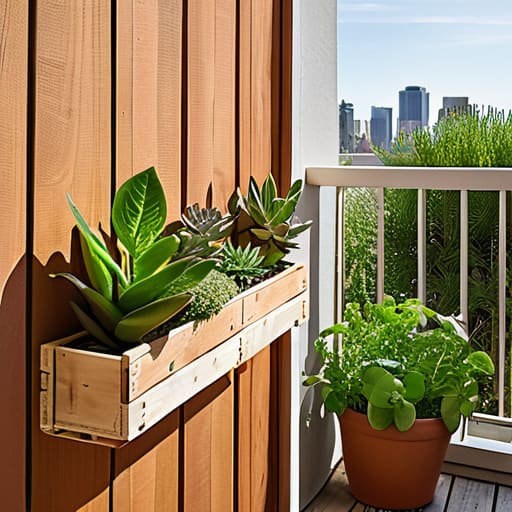
I know the feeling of staring at a tiny apartment balcony and realizing there’s absolutely zero room for a traditional garden. Instead of spending eighty bucks on those flimsy plastic tiered planters from the big-box stores, I grabbed a couple of heat-treated pallets and leaned them against the wall. It’s not about making a centerpiece; it’s about creating a functional growing space that actually fits your footprint.
A Heavy-Duty Mudroom Organizer
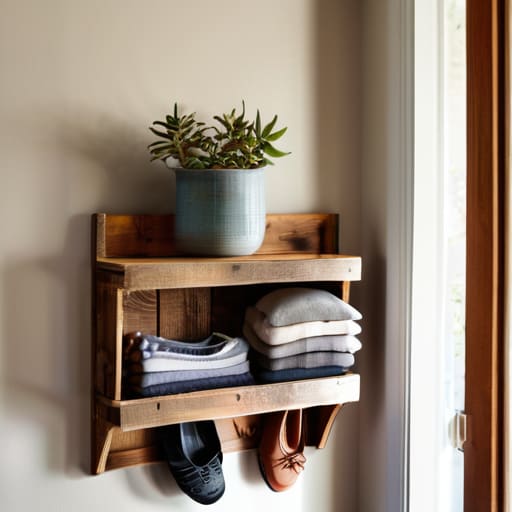
If your entryway looks like a pile of discarded shoes and mail every time you walk through the door, you don’t need a designer console table. You need a system that can handle the daily chaos of real life. I took an old pallet, sanded down the rough edges so I wouldn’t get a splinter, and mounted it vertically right by the door.
The Low-Profile Garden Bench
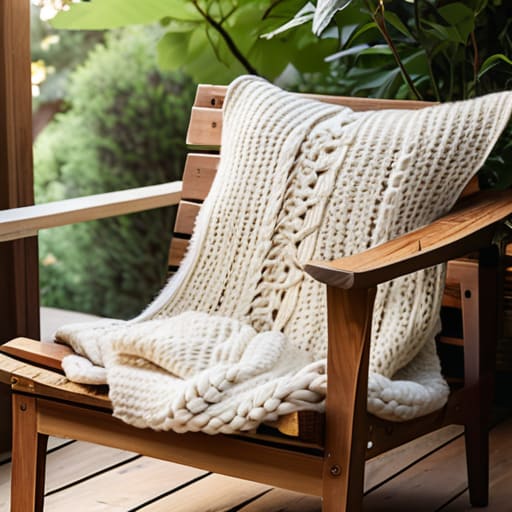
When I was first moving into my current place, I realized I had plenty of outdoor space but zero comfortable places to actually sit and drink my coffee. I didn’t want to drop a fortune on teak furniture that I’d probably just end up neglecting. Instead, I used two sturdy pallets as the base and some reclaimed wood for the seat.
The Workshop Tool Station
As someone who is constantly hunting for a screwdriver or a tape measure, I quickly learned that a “junk drawer” is not a storage solution. I built a small, tiered tool station out of scrap pallet wood to keep my most-used items within arm’s reach. It’s not about having a professional-grade workshop; it’s about having a dedicated spot for the things you actually use.
The Rustic Beverage Caddy
We’ve all seen those fancy, expensive wooden serving trays that cost more than a nice dinner out. I decided to skip that and build a much more rugged version for my patio gatherings. By cutting a pallet down to size and adding some simple handles, I created a caddy that can actually hold a few heavy glass bottles without bending.
The Real-World Pallet Philosophy
Don’t obsess over the “perfect” look; focus on structural integrity and making sure the wood is actually treated for the job you’re doing.
Prioritize utility over aesthetics—if a project doesn’t actually solve a storage problem or save you money, it’s just more clutter in the making.
Start small and use the tools you already have, because the goal is to build something functional, not to turn your living room into a high-end showroom.
## The Real Goal of DIY
“Don’t get caught up in trying to make a pallet project look like a magazine spread; the real win is taking something discarded and turning it into a sturdy, functional piece of your life that actually earns its keep.”
Maya Sterling
Don't Overthink the Process
At the end of the day, whether you’re building a vertical herb garden for your windowsill or a sturdy-as-hell workbench for your garage, the goal is the same: making something useful out of what you already have. We’ve covered everything from simple storage solutions to more involved furniture builds, and the common thread is that none of these require a master carpenter’s license. You don’t need a workshop full of expensive power tools to get started; you just need some decent sandpaper, a few screws, and the willingness to get a little sawdust on your hands. These projects aren’t about achieving some curated, magazine-ready look; they are about creating systems that actually serve your life without draining your bank account.
If you’re feeling a bit intimidated by the idea of starting your first build, just remember that my first attempt at a pallet planter ended up looking more like a pile of kindling than a garden bed. It wasn’t pretty, but it held my basil just fine, and that’s what mattered. Don’t let the fear of a “failed” project stop you from trying. Life is way too short to spend all your money on pre-made furniture that won’t last. Go grab those pallets, find a corner in your yard or your apartment, and just start building something real. You’ve got this.
Frequently Asked Questions
How do I make sure the wood isn't treated with nasty chemicals that could leak into my plants or my living room?
This is such a valid concern, and honestly, it’s the first thing I check before I even touch a saw. You really don’t want those old-school chemicals leaching into your soil or your living space. Look for a “HT” stamp on the wood, which means it was heat-treated rather than chemically fumigated. Avoid anything marked “MB” (Methyl Bromide)—that’s a hard pass for me. If there are no stamps, I usually just skip them.
Is there a way to get these things looking a little less "scrap yard" without spending a fortune on expensive stains?
I totally get it. There’s a fine line between “rustic charm” and “this looks like it was pulled from a construction site.” Honestly, skip the $50 boutique stains. Grab a cheap tin of matte wood sealer or even a leftover sample pot of paint from a hardware store. Sanding the wood down—really get into those grooves—is the real secret. It smooths out the splinters and makes the whole thing look intentional, not accidental.
What's the best way to actually take a pallet apart without breaking every single tool I own?
Look, I’ve definitely learned this the hard way by snapping a cheap crowbar and cursing my life. Don’t just start prying blindly; you’ll splinter the wood and ruin the boards. The secret is a heavy-duty pry bar and a hammer. Use the hammer to tap the pry bar deep into the seam between the slat and the stringer. It’s all about leverage, not brute force. If you have a reciprocating saw, use it to cut the nails directly—it’s a total lifesaver.