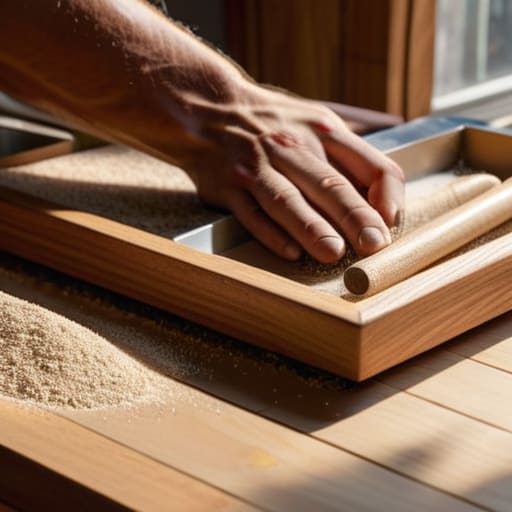
I used to stare at those flawlessly curated DIY videos on social media and feel completely defeated before I even picked up a hammer. Everything looked so seamless, like the wood just magically transformed into a designer coffee table without a single splinter or a moment of frustration. But here’s the truth: most of those “aesthetic” tutorials skip the messy parts that actually matter. If you’re looking to dive into beginner woodworking projects, you don’t need a massive workshop or a professional-grade setup to see real results. You just need to stop aiming for performative perfection and start focusing on things that actually serve a purpose in your home.
In this post, I’m stripping away the intimidation factor and sharing five projects that I know are actually doable for someone just starting out. We aren’t chasing Pinterest-worthy masterpieces here; instead, I’m walking you through five functional builds that will teach you the ropes without draining your bank account. By the time we’re done, you’ll have a solid grasp of the basics and a few useful pieces of furniture that you built with your own two hands. Let’s get to work.
Table of Contents
The "No-Fail" Floating Shelf
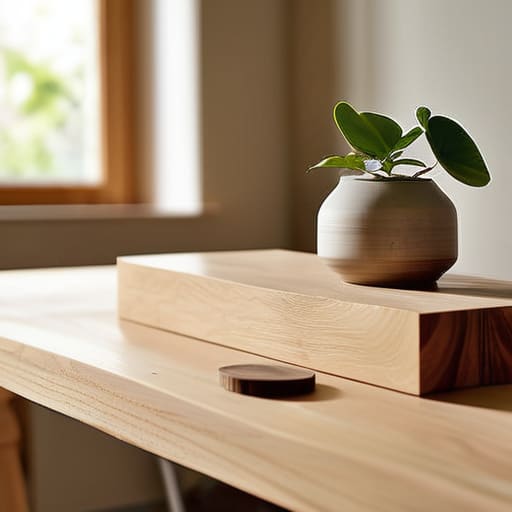
If you’re staring at a blank wall and feeling intimidated, start here. I used to think floating shelves required some kind of master carpentry degree, but honestly, they are just a series of simple cuts and a few sturdy brackets. You don’t need a workshop full of expensive power tools; a basic drill and a saw are really all it takes to create something that looks effortlessly chic in your living room or kitchen.
A Simple Herb Planter Box
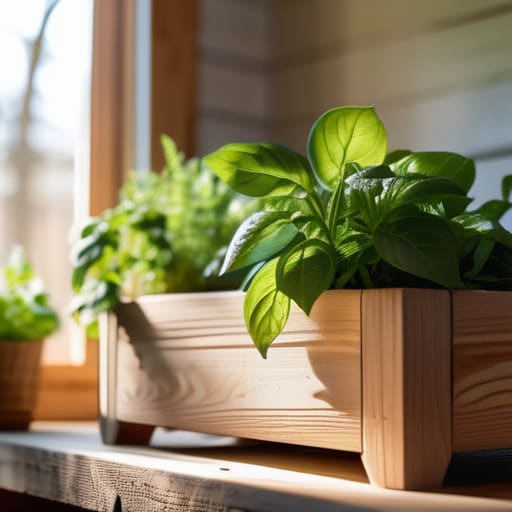
Since I spend way too much time fussing over my indoor herb garden, I decided to stop buying those flimsy plastic pots and build my own wooden planters. This is probably the most forgiving project on this list because even if your cuts aren’t perfectly square, it just adds to that rustic, lived-in charm. It’s a great way to repurpose some leftover scraps of cedar or pine you might find at a local hardware store.
The Minimalist Phone & Tech Dock
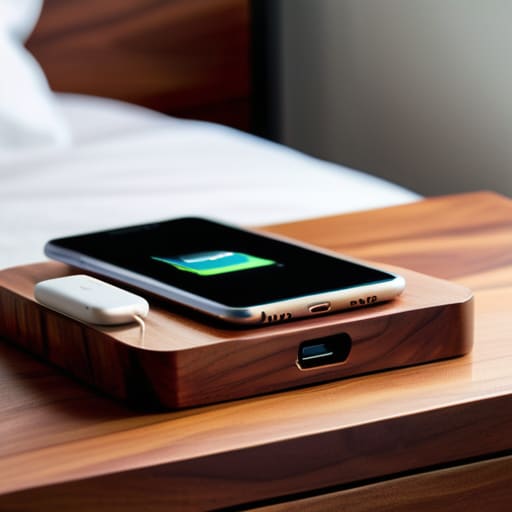
We all have that one “junk drawer” or a messy nightstand where our chargers and phones go to die. I built a little wooden dock a few months ago just to reclaim my space, and it was such a game-changer for my mental clarity. It’s essentially just a small block of wood with a few strategically placed grooves cut into it to hold your devices upright.
A Rugged Serving Tray
Forget those overpriced, delicate wooden trays you see in high-end home boutiques. You can build a much sturdier version that can actually handle a heavy pitcher of iced tea or a spread of appetizers without wobbling. All you really need are four sides, a base, and two handles—which you can even buy pre-made if you want to skip the tricky hardware installation.
The Essential Entryway Key Hanger
My dad always said that a place for everything is the secret to a sane household, and he was right. A simple key hanger is the ultimate “low stakes” project for a weekend afternoon. You’re basically just taking a nice piece of wood, sanding it down until it’s smooth, and attaching a few hooks. It sounds almost too simple, but that’s exactly why it’s perfect for your first go.
The Real Bottom Line
Don’t let “perfect” be the enemy of “done”—a slightly crooked shelf that holds your books is infinitely more useful than a dream project that never leaves the scrap pile.
Invest in a few solid tools rather than a massive, cheap kit; I’ve learned the hard way that buying the same screwdriver twice is just throwing money away.
Focus on function over flair by choosing projects that solve a real problem in your space, because at the end of the day, if it doesn’t make your life easier, it’s just clutter.
Forget the Perfection Trap
“Don’t let a perfectly curated Pinterest board intimidate you into staying paralyzed; the most rewarding thing you can build isn’t a flawless masterpiece, but something sturdy and functional that you actually made with your own two hands.”
Maya Sterling
Don't Sweat the Sawdust
At the end of the day, whether you’re tackling a simple herb planter for your windowsill or building a sturdy bookshelf to organize your home office, the goal isn’t to create a museum piece. We’ve looked at everything from basic scrap wood builds to functional organizers that actually solve a problem in your space. Remember, these five projects are just jumping-off points designed to get you comfortable with your tools and your own capabilities. It’s about moving away from the idea that you need a massive workshop or expensive hardwoods to start; you just need a solid plan and a bit of patience while you navigate those first few cuts.
If your first shelf comes out a little crooked or your planter has a few uneven edges, please don’t let it stop you. Honestly, some of my favorite pieces in my apartment are the ones that show a little bit of “character” from when I was first learning. Woodworking is a skill that lives in the doing, not in the perfection of the finished product. So, grab that multi-tool, clear off a small corner of your table, and just start building something useful. You’ll be surprised at how much better it feels to use something you actually made with your own two hands.
Frequently Asked Questions
Do I really need a full workshop to start, or can I get away with just a few basic hand tools?
Honestly? You absolutely do not need a garage full of heavy machinery to get started. I used to think I needed a professional setup, but most of my favorite small wins came from just a hammer, a handsaw, and a screwdriver. Start with what you can actually fit in a drawer or a small bin. It’s much better to master a few basic hand tools than to let a bunch of expensive, dusty gear sit unused.
What’s the best way to pick up wood at a big-box store without feeling totally lost or overspending?
Honestly, the lumber aisle is my version of a sensory overload. My trick? Don’t just grab the first stack you see. Walk the aisle and actually look at the end grain of the boards—if it’s bowed or twisted like a pretzel, put it back. Also, skip the “premium” labels if you’re just practicing; grab some basic pine. It’s cheaper, and if you mess up your first cut, it won’t break your heart (or your budget).
How do I stop myself from getting obsessed with making everything look "perfect" and just focus on getting the project done?
Honestly? I had to learn this the hard way after staring at a wonky shelf for three hours. My rule is: “Done is better than perfect.” If it holds weight and serves its purpose, it’s a win. I try to focus on the function first. If a joint isn’t seamless, I just sand it down and move on. Don’t let the pursuit of an Instagram aesthetic kill your momentum. Just build the thing.