I used to think that learning how to season food meant scouring the aisles for those $15 artisanal spice blends that promise “culinary magic” in a jar. I spent way too many nights staring at a bland, expensive piece of salmon, feeling like I was failing at adulting because I didn’t have a pantry full of exotic powders. But honestly? Most of that stuff is just expensive marketing designed to make you feel like you aren’t enough. You don’t need a gourmet spice rack to make a meal that actually hits the spot; you just need to understand the basic mechanics of what makes flavors wake up.
I’m not here to give you a lecture on flavor profiles or teach you how to cook like a Michelin-star chef. Instead, I want to show you the functional, messy reality of building taste from the ground up using things you probably already have in your cupboard. We’re going to talk about the actual rhythm of adding salt, the way acid can save a dish from being boring, and how to stop guessing and start knowing. This is about making food taste good without the performative perfection or the wasted money.
Table of Contents
- The Only Essential Spice Cabinet Staples You Actually Need
- Layering Flavors in Cooking Without the Kitchen Stress
- 5 ways to stop eating bland food (without buying a single new spice)
- The bottom line for your next meal
- The Golden Rule of the Pot
- Stop Overthinking Your Spice Rack
- Frequently Asked Questions
The Only Essential Spice Cabinet Staples You Actually Need
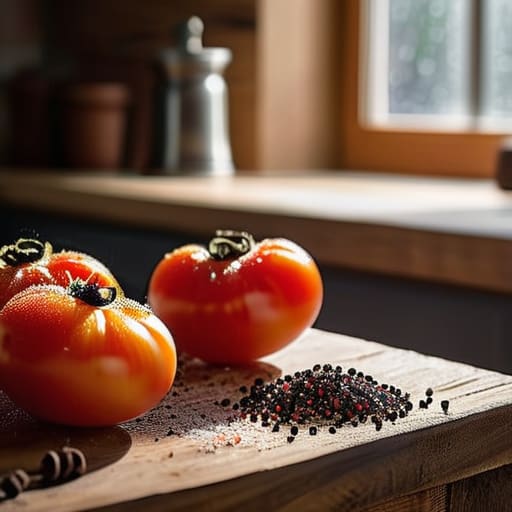
Look, I’ve walked down the spice aisle of big-box stores and felt that immediate wave of anxiety. Do I really need eighteen different types of dried oregano? Spoiler alert: no. You don’t need a library of jars to start enhancing natural food flavors; you just need a few heavy hitters that do the heavy lifting. For me, that means a high-quality kosher salt, a decent black pepper grinder, and maybe some garlic powder for those nights when I’m too tired to mince anything fresh.
Beyond the basics, I always keep smoked paprika and a decent cumin on hand. These are my go-to’s for layering flavors in cooking without having to follow a recipe to the letter. If you have these, you can pivot from a roasted veggie tray to a quick taco night in about five minutes. My rule of thumb is to invest in quality for the basics and save your money on the niche stuff you’ll probably only use once before it gathers dust in the back of the pantry.
Layering Flavors in Cooking Without the Kitchen Stress
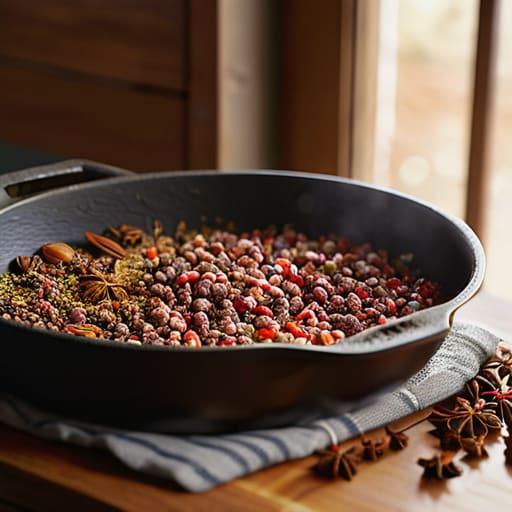
Once you’ve got your basic spices sorted, the real magic happens when you stop treating seasoning like a single step at the end and start thinking about layering flavors in cooking from the very beginning. I used to make the mistake of just dumping salt on a finished dish, but that’s a recipe for flat, boring food. Instead, try adding small amounts of seasoning at every stage. If you’re making a soup, sauté your aromatics with a pinch of salt first; if you’re roasting veggies, toss them in oil and spices before they even hit the oven. It’s about building a foundation rather than just painting the surface.
The trick to making things taste “restaurant quality” without the stress is mastering the art of balancing salt, acid, and fat. If a dish feels heavy or dull, don’t just reach for more salt—try a squeeze of lemon or a splash of vinegar. That hit of acid cuts through the richness and actually wakes up your taste buds. It’s a simple, functional mental checklist that saves me from constantly over-salting my meals just to find some excitement.
5 ways to stop eating bland food (without buying a single new spice)
- Season as you go, not just at the end. If you wait until the food is already in the bowl to add salt, you’re just coating the surface. I’ve learned the hard way that adding a little salt to the onions while they’re sautéing makes a massive difference in the final result.
- Trust your taste buds over the recipe. Recipes are just suggestions, and honestly, they usually under-season. Take a small bite of whatever you’re working on halfway through; if it tastes “flat,” it probably needs salt or a hit of acid, not more herbs.
- Use acid to wake things up. Sometimes we think a dish needs more salt, but it actually just needs brightness. A squeeze of lemon or a tiny splash of vinegar can cut through heavy fats and make flavors pop in a way that salt alone can’t.
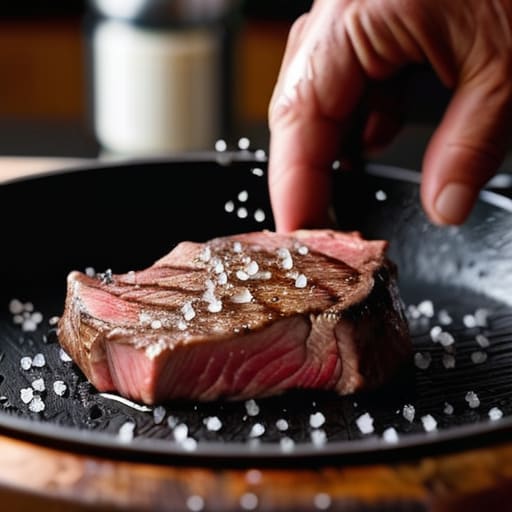
- Don’t fear the salt, but time it right. Salt draws moisture out of things, so if you’re seasoning meat, do it early. I usually salt my proteins a bit ahead of time so the seasoning actually penetrates the meat instead of just sitting on top like a crust.
- Keep it simple with the “Salt, Fat, Acid, Heat” rule. You don’t need a chemistry degree or a $50 spice blend to make something delicious. If your food feels like it’s missing something, run through that checklist: Does it need more salt? Is there enough fat? Is it too heavy (needs acid)? Is it undercooked (needs heat)? Usually, the answer is right there.
The bottom line for your next meal
Stop buying those $15 “specialty” spice blends that sit in your pantry for two years; stick to the basics and build your own flavor as you go.
Taste your food at every single stage—it’s much easier to fix a bland sauce now than it is to fix a salt bomb once the dish is finished.
Think in layers, starting with salt and acid, because if a dish feels “flat,” it usually needs a squeeze of lemon or a splash of vinegar rather than more seasoning.
The Golden Rule of the Pot
Stop treating seasoning like a final step in a recipe and start treating it like a conversation; taste as you go, don’t be afraid to be aggressive with the salt, and remember that if it tastes flat, it’s usually not because you need a new spice, but because you haven’t added enough of the basics yet.
Maya Sterling
Stop Overthinking Your Spice Rack
At the end of the day, seasoning isn’t some complex chemistry experiment you need a degree to master. It’s really just about knowing your staples—salt, pepper, and maybe a reliable dried herb—and learning how to layer those flavors so they actually hit the spot. You don’t need a hundred different glass jars cluttering your counter to make a decent meal. Just focus on building that foundation, tasting as you go, and trusting your gut. If you keep it simple and stick to these basic principles, you’ll find that you’re spending less time reading recipes and more time actually enjoying your food.
I know it can feel intimidating when you see those perfectly curated, aesthetic kitchens on social media, but please remember that a beautiful pantry doesn’t make for a delicious dinner. Cooking is meant to be lived in, not just looked at. It’s okay if you over-salt a soup once in a while or if your spice cabinet looks a little disorganized; what matters is that you’re feeding yourself and the people you love with confidence and intention. So, grab your salt, dive in, and don’t be afraid to make a little bit of a mess. You’ve totally got this.
Frequently Asked Questions
How do I know if I've added too much salt without ruining the whole meal?
We’ve all been there—you take one bite and realize you’ve basically turned your dinner into a salt lick. If it’s just slightly off, try adding an acid like a squeeze of lemon or a splash of vinegar to cut through it. If it’s really heavy, you can try adding a starch, like a peeled potato, to soak some up, or just bulk the dish out with more unsalted ingredients. Don’t panic; it’s fixable.
Can I use dried herbs instead of fresh ones, or is that a total waste of time?
Honestly, please don’t feel guilty about using dried herbs. I know the “fresh is best” crowd can be intense, but when I’m mid-weeknight meal prepping, I am not hunting down a bunch of cilantro. Just remember the golden rule: dried is way more concentrated. Use about a third of the amount you’d use for fresh, and try to add them earlier in the cooking process so the flavor actually has time to wake up.
When exactly should I season my food—at the beginning, or right before serving?
Honestly, it’s both. If you wait until the very end, you’re just coating the surface. To actually get flavor into the food, you need to season as you go—think a pinch of salt when the onions hit the pan or during the sauté phase. But, you definitely need that final “brightening” sprinkle of salt or pepper right before you sit down to eat. It wakes everything up. It’s about building layers, not just topping them.