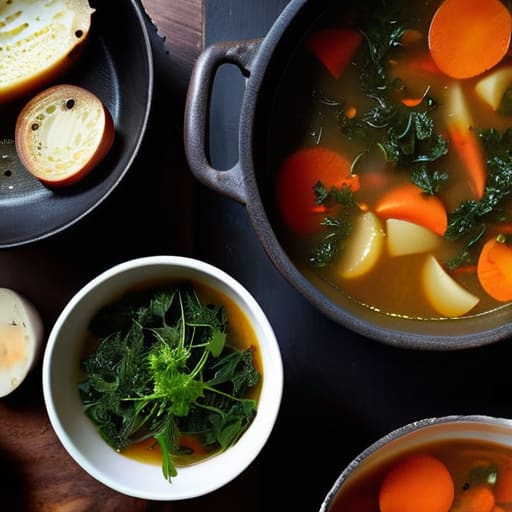
I’m going to say it: most recipes online for how to make soup are absolute nonsense designed for people with way too much time and a professional sous-chef on standby. I am so tired of seeing “gourmet” tutorials that require you to hand-peel organic heirloom carrots and spend four hours clarifying a bone broth just to end up with a bowl of liquid that looks pretty on a grid but tastes like nothing. If you’re staring at a lonely onion and a half-empty carton of broth wondering if you can actually make something decent without a culinary degree, I hear you.
I’m not here to teach you how to make a masterpiece for a food critic; I’m here to show you how to make a meal that actually nourishes your soul and saves your budget. In this guide, I’m stripping away the performative garnishes and the expensive, unnecessary steps. I’ll share my tried-and-true, messy-kitchen methods for building deep flavor from whatever happens to be lingering in your crisper drawer. We’re focusing on functional deliciousness—the kind of hearty, reliable soup that makes a bad Tuesday feel a little more manageable.
Table of Contents
Mastering Soup Base Ingredients Without the Expensive Grocery Run
Look, I used to think you needed a specialized trip to a high-end organic market just to get a decent flavor profile, but that’s a fast track to a drained bank account. Realistically, most of your soup base ingredients are likely already hiding in the back of your pantry. Instead of hunting for artisanal bone broths, start with the basics: an onion, a couple of carrots, and maybe a lonely stalk of celery. These are your vegetable soup fundamentals, and they do 90% of the heavy lifting. If you have a bouillon cube or even just some dried herbs, you’re already halfway there.
The biggest debate I see is stock vs broth for soup, but honestly? Don’t sweat the semantics too much. If you’re using a store-bought carton, just check the sodium levels so you don’t end up with a salt bomb. If you want to level up without spending extra, focus on layering your flavors. Sautéing your aromatics in a little oil before adding liquid makes a massive difference compared to just boiling everything together. It’s a small step, but it’s the difference between a watery mess and something that actually feels like a hug in a bowl.
The Truth About Stock vs Broth for Soup
I used to get so caught up in the grocery aisle, staring at the wall of cartons and wondering if I was actually failing at life because I didn’t have “authentic” bone broth on hand. Here’s the reality: the debate over stock vs broth for soup is mostly marketing noise. In my experience, the main difference is just the fat and protein content. Stock is usually made from bones, giving it a richer, more velvety body, while broth is made from meat and tends to be a bit lighter.
If you’re making a hearty stew, go for the stock—that extra gelatinous quality helps with your thickening soup methods later on. But if you’re just trying to hydrate with a light veggie bowl, a basic broth is more than enough. Honestly? If you’re on a budget, don’t feel pressured to buy the $7 organic cartons. You can lean on those basic soup base ingredients like onion scraps, carrot peels, and celery ends to make your own. It takes a little more time, but it saves you money and tastes way better than the salty stuff in the box.
Five Ways to Stop Overthinking Your Soup and Actually Start Eating
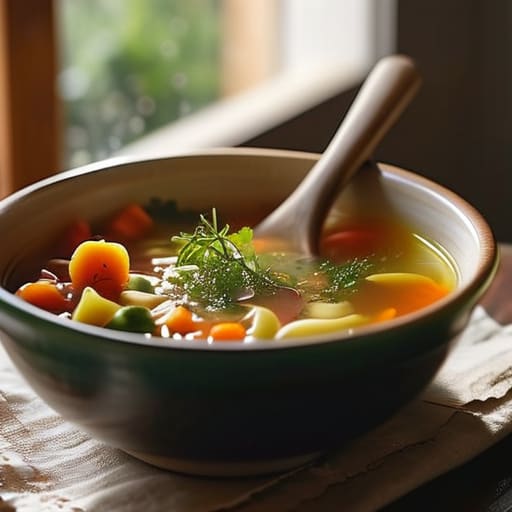
- Don’t wait for a “perfect” vegetable haul. If your carrots are looking a little sad or that half-onion is starting to soften, throw them in. Soup is the ultimate scavenger hunt for whatever is about to expire in your crisper drawer.
- Salt is your best friend, but add it in stages. If you dump all your salt in at once, you might ruin the whole pot. A little bit early helps draw moisture out of the veggies, and a final pinch right before serving makes the flavors actually pop.
- Embrace the “ugly” texture. I know the Pinterest photos always show perfectly uniform, jewel-like cubes of potato, but honestly? Just roughly chop things. It saves me ten minutes of prep time, and once it’s simmering, nobody is checking your knife skills.
- Acid is the secret weapon you’re probably missing. If your soup tastes “flat” even after adding salt, don’t reach for more salt—reach for a squeeze of lemon or a teaspoon of apple cider vinegar. That tiny bit of brightness wakes up the whole pot.
- Keep a “soup kit” in your pantry. I always make sure I have dried thyme, bay leaves, and maybe some red pepper flakes on hand. Having these basics means you don’t have to run to the store every time a craving hits; you can just pivot with what you’ve got.
The "No-Stress" Soup Cheat Sheet
Stop stressing over a perfect recipe; if you have a liquid (stock or broth) and something to make it hearty (beans, wilted veggies, or even a handful of pasta), you’ve already won.
Don’t let a “missing” ingredient stop you—your pantry is your best friend, and a splash of soy sauce or a squeeze of lemon can do more for flavor than a $10 spice blend ever could.
Prioritize function over fashion by focusing on building a solid base first, because a soup that tastes amazing is much better than one that just looks pretty in a ceramic bowl.
The Philosophy of a Good Pot
Stop worrying about whether your soup looks like a Pinterest board; if you’ve got a handful of scraps, a decent liquid, and enough salt to make it sing, you’ve already won.
Maya Sterling
Soup Doesn't Have to Be Complicated
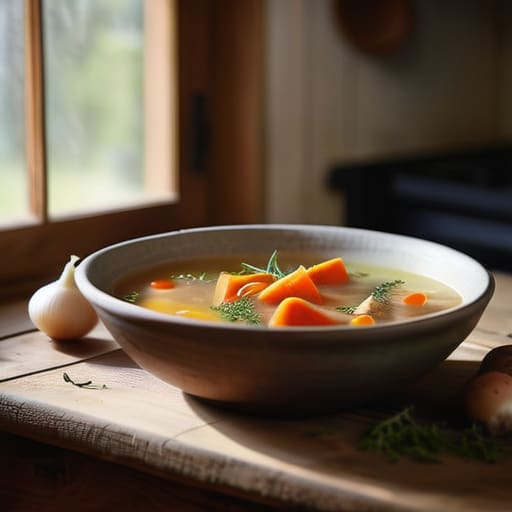
At the end of the day, making a great soup isn’t about following a rigid, five-star recipe or spending your entire paycheck on organic, artisanal stocks. It’s really just about understanding the basics: building a solid foundation with whatever veggies you have on hand and knowing that stock or broth is just a vehicle for your flavors. Whether you’re improvising with wilted carrots or deciding between a quick bouillon or a slow-simmered homemade base, the goal is to create something that actually nourishes you without turning your kitchen into a disaster zone. Once you stop worrying about the “correct” way to do it, you realize you already have almost everything you need in your pantry.
Please, stop waiting for the “perfect” moment or the perfect set of ingredients to start cooking. Life is messy, your kitchen might be cluttered, and your soup might not look like a professional chef’s masterpiece, but that doesn’t mean it isn’t delicious. I’ve learned that the most comforting meals are often the ones born out of necessity and a little bit of kitchen intuition. So, grab a pot, throw in what you’ve got, and just start simmering. You’ll find that functional cooking is much more rewarding than performative perfection every single time.
Frequently Asked Questions
Can I actually use frozen veggies for soup, or will they turn into mush?
Honestly, please don’t feel guilty about reaching for the frozen aisle. I use frozen veggies in my soups almost every single week. The trick to avoiding that dreaded mush is all about timing. If you’re using peas, corn, or even spinach, wait until the very last ten minutes of cooking. Toss them in right at the end just to heat through. They’ll keep their color and a bit of bite, saving you prep time without sacrificing the texture.
How do I fix a soup that ended up tasting way too salty?
The “Oh No, I Over-Salted It” Emergency Protocol
Is it worth making a massive batch to freeze, or does the texture get weird?
Honestly, it’s a total lifesaver, but you have to be strategic. If you’re making a chunky vegetable or beef stew, the texture can get a little mushy once it thaws. My rule of thumb? Freeze the liquid-heavy bases—like pureed soups or bone broths—and keep the heavy solids separate if you can. If you do freeze a full batch, just add a splash of fresh water or stock when reheating to bring that texture back to life.