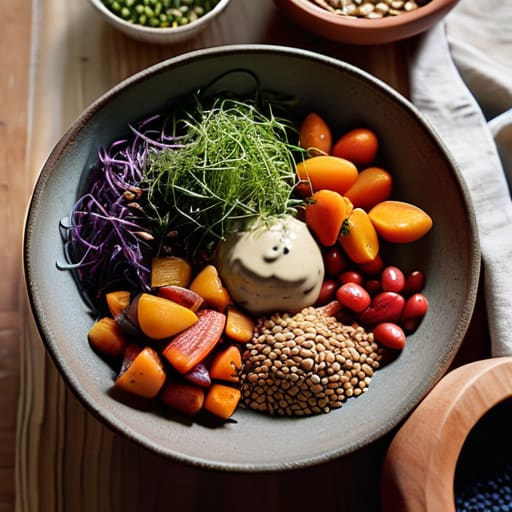
I’m tired of seeing those perfectly curated, color-coordinated “meal prep” videos on my feed where someone spends four hours making tiny, aesthetic glass containers of food that looks more like a science project than a meal. Honestly, if I see one more person suggest that learning how to use leftovers requires a $200 set of matching Tupperware and a degree in food styling, I might lose it. Real life is much messier than that. Most of the time, “repurposing” just means trying to figure out how to turn last night’s mediocre chicken thighs into something that doesn’t make you want to cry during your lunch break.
I’m not here to sell you on some performative kitchen magic or expensive gadgets you don’t need. Instead, I want to share the actual, unpolished methods I use in my own small kitchen to turn random scraps into decent, filling meals. We’re going to focus on practical systems—the kind that save you both time and money without requiring a lifestyle overhaul. I’ll show you how to stop treating your fridge like a graveyard and start seeing it as a resource for real life, one mismatched container at a time.
Table of Contents
Repurposing Cooked Proteins Without the Performance
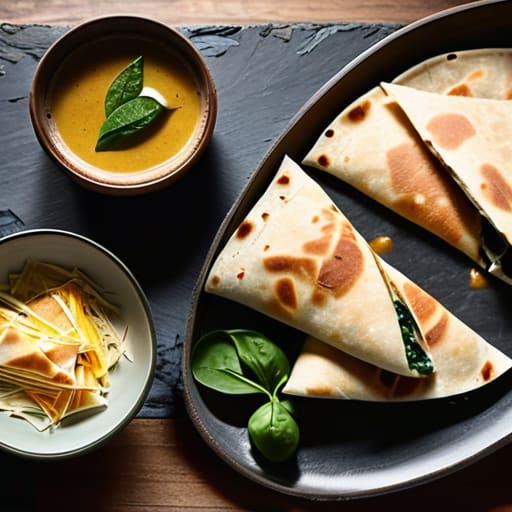
Let’s be real: nobody wants to eat the exact same piece of dry, sad chicken for the third day in a row. If you’re just reheating it in the microwave, you’re doing it wrong. The secret to repurposing cooked proteins without feeling like you’re eating a sad meal prep container is to change the texture entirely. If you have leftover steak or roasted chicken, don’t just pile it on a plate. Shred it. Toss it into a quick quesadilla or fold it into a soft scramble with some spinach. By breaking the protein down, you’re essentially transforming dinner into lunch that feels like a brand-new recipe rather than a repetitive chore.
The same goes for ground meat or even that bit of salmon sitting in the fridge. Instead of fighting the “leftover” vibe, lean into it. I usually take any leftover taco meat and turn it into a quick chili or a hearty baked potato topping. It’s one of my favorite creative kitchen hacks because it requires almost zero mental energy after a long workday. You aren’t striving for a Pinterest-worthy grain bowl; you’re just making sure that expensive protein actually makes it into your system instead of the bin.
Storing Leftovers Safely Without the Aesthetic Stress
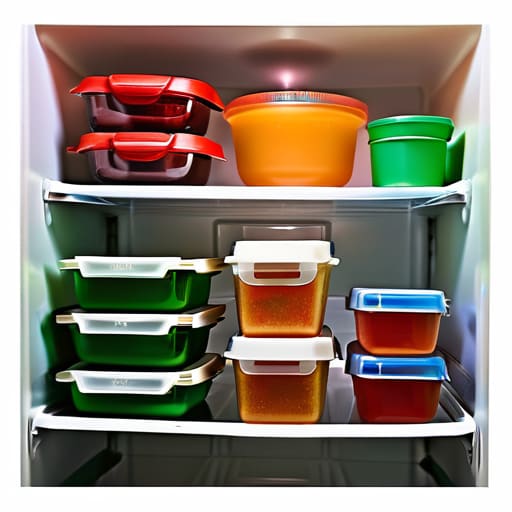
Look, we’ve all seen those perfectly color-coded fridge setups on Instagram where every sauce is in a matching glass jar with a hand-written label. It looks great, but let’s be real: I don’t have the time or the budget for that. When I’m storing leftovers safely, my priority is just making sure nothing grows a science project in the back of my fridge. I use whatever mismatched Tupperware I actually own. The only rule I live by is the “two-hour window”—if it’s been sitting on the counter since dinner, it’s gone.
Instead of obsessing over how it looks, focus on how it lasts. I’ve found that using airtight containers is the best way to prevent that weird “fridge smell” from taking over your food. If you’re serious about food waste reduction tips, try labeling your containers with a piece of masking tape and a Sharpie. It’s not pretty, but knowing exactly when that chili was made prevents the dreaded “is this still good?” guessing game. It’s about function over fashion, every single time.
My Low-Effort Cheat Sheet for Making Old Food Taste New
- Embrace the “Bowl Method”—if you have a random assortment of grains, veggies, and a bit of protein, don’t try to plate it like a fancy bistro dish; just toss it all in a bowl with a heavy drizzle of tahini or hot sauce and call it a grain bowl.
- Keep a “Rescue Sauce” stash in your fridge, because nothing makes yesterday’s dry chicken feel like a fresh meal quite like a quick swipe of pesto, hummus, or even just a squeeze of lime and some chili flakes.
- Don’t be afraid to let things get a little soft—wilted greens aren’t trash, they’re just waiting to be sautéed into a pasta or blended into a smoothie where you won’t even notice the texture.
- Master the art of the “Kitchen Sink” soup; if you have a handful of carrots, half an onion, and some limp celery, throw them in a pot with some broth and you’ve got a cheap, comforting lunch that clears out your crisper drawer.
- Use your freezer as a safety net, not a graveyard—if you know you aren’t going to touch that extra portion of chili by tomorrow, portion it into a small container now and freeze it so it doesn’t end up as a science experiment in the back of your fridge next week.
My No-Nonsense Rules for Leftover Success
Stop trying to recreate the original meal; instead, look at your leftovers as raw ingredients for something entirely new, like turning that roasted chicken into a quick taco filling.
Invest in a set of decent, matching glass containers if you want, but honestly, any lid that actually seals will do the job of keeping your food fresh and your budget intact.
Keep a “use it or lose it” shelf in your fridge for items nearing their expiration date so you aren’t constantly playing guessing games with last week’s pasta.
The Real Goal of Leftovers
“Leftovers shouldn’t feel like a chore or a ‘sad desk lunch’; they’re just ingredients that are halfway to being a new meal. If you stop trying to make them look like a Pinterest board and start treating them like a head start on tomorrow, you’ll save a lot of money and even more sanity.”
Maya Sterling
The Bottom Line
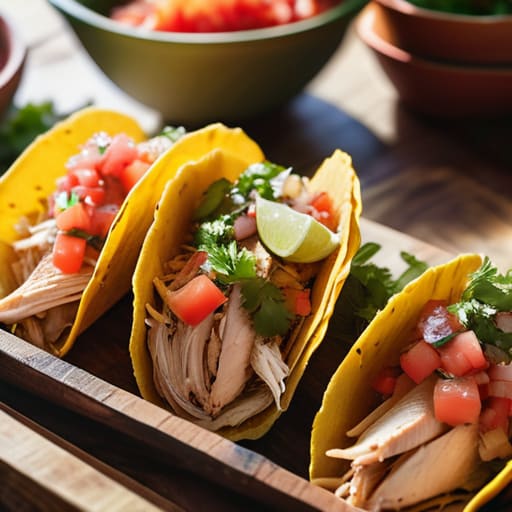
At the end of the day, repurposing your food isn’t about mastering some complex culinary art form or having a perfectly curated pantry. It’s about the simple, practical math of saving your time and your hard-earned money. Whether you’re turning that leftover chicken into a quick taco filling or just making sure your fridge isn’t a graveyard for forgotten containers, you’re building a system that works for you. We’ve covered how to flip proteins and how to store things safely without losing your mind over mismatched Tupperware, so the heavy lifting is already done. Now, you just have to actually do it.
Please, stop putting so much pressure on yourself to have a “Pinterest-perfect” kitchen. Most of the time, the best meals are the ones that are thrown together in ten minutes because you were too tired to cook from scratch. If your leftover makeover looks a little messy on the plate, who cares? As long as it’s delicious and it keeps you from ordering expensive takeout for the third time this week, you are winning. Life is far too chaotic to worry about the aesthetics of a bowl of repurposed pasta. Just eat the food, save the cash, and keep moving forward.
Frequently Asked Questions
How long can I actually keep these leftovers in the fridge before they become a safety hazard?
Look, I’m all for making food last, but I’m not a fan of food poisoning. Generally, you’ve got a three-to-four-day window for most cooked meals before things get dicey. If it’s meat or seafood, I try to eat it by day three just to be safe. If it starts smelling “off” or looks a little slimy, don’t try to be a hero—just toss it. No meal is worth a night of misery.
Is there a way to reheat my food so it doesn't taste like a dry, sad version of what it was yesterday?
The “microwave sadness” is real. If you’re just nuking a plate of pasta until it’s a gummy brick, you’re doing it wrong. My golden rule? Add moisture. If it’s rice or grains, splash some water or broth on top and cover it—that little bit of steam works wonders. For proteins, a quick toss in a pan with a tiny bit of butter or oil beats the microwave every single time. It’s not fancy, but it actually tastes like food.
I hate food waste, but how do I know which leftovers are actually worth saving and which ones should just go in the bin?
Honestly, I used to treat my fridge like a science experiment, but that’s just stressful. Here’s my rule of thumb: if it’s a versatile base—like roasted chicken, grains, or a hearty veggie stew—it’s a keeper. Those are your building blocks for tomorrow. But if it’s a one-off dish that’s lost its texture, like soggy fried food or a sauce that’s already separated, let it go. Don’t let “guilt” turn into a food poisoning risk.