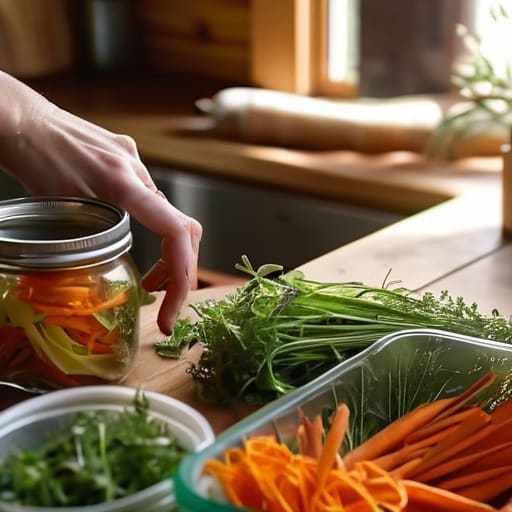
I was staring at a bag of slimy, expensive spinach in my crisper drawer yesterday—the kind you buy when you’re feeling “aspirational”—and I felt that familiar, heavy sting of guilt. We’ve been told that learning how to reduce food waste requires these elaborate, aesthetic meal prep Sundays or high-tech composting bins that cost more than my monthly groceries. But let’s be real: most of those “zero-waste” influencers are living in a curated fantasy that doesn’t account for a busy freelance schedule or a tiny apartment kitchen.
I’m not here to sell you on a lifestyle that requires a complete personality transplant; I just want to help you stop throwing your hard-earned money in the trash. In this post, I’m sharing the unfiltered, messy systems I actually use to keep my fridge from becoming a graveyard for produce. We’re going to skip the performative perfection and focus on small, functional habits that actually work when life gets chaotic. This isn’t about being a perfect environmentalist—it’s about making your kitchen work for you instead of against your budget.
Table of Contents
Sustainable Grocery Shopping Without the Overwhelming Perfection
Look, I used to walk into the grocery store with this grand vision of a perfectly curated, organic haul, only to end up with a bag of wilted kale and three different types of expensive berries that I never actually touched. It’s exhausting and, honestly, a total waste of money. Instead of aiming for that Pinterest-perfect pantry, I’ve found that sustainable grocery shopping is much more about being realistic. I try to shop with a “use it or lose it” mindset—if I know my schedule is slammed next week, I’m not buying anything that requires heavy prep work.
If you’re feeling lost, start with some basic meal planning for beginners. You don’t need a color-coded spreadsheet; just pick three meals you know you’ll actually cook and buy ingredients for those. It’s also worth getting a little nerdy about understanding expiration dates. There’s a massive difference between a “sell by” date and a “use by” date, and knowing that can save a lot of perfectly good yogurt from ending up in the bin. It’s not about being perfect; it’s just about being intentional.
Understanding Expiration Dates So You Stop Tossing Good Food
Let’s be real: those little dates printed on your milk cartons and yogurt tubs are incredibly confusing. I used to treat “Best By” dates like a legal expiration, tossing everything the second the calendar flipped. But here’s the thing I learned the hard way: most of those dates aren’t about safety; they’re about peak quality. That doesn’t mean you should eat something that actually smells off, but a slightly wilted carrot or a yogurt that’s two days past its prime is usually perfectly fine.
Instead of playing a guessing game with every package, I’ve started focusing more on understanding expiration dates versus actual safety markers. If you’re looking for ways of reducing your household food footprint, start by trusting your senses—sight, smell, and texture—rather than just a printed number. It’s a small shift, but it stops that immediate, reflexive urge to throw away perfectly good food just because it’s Tuesday and the label says so. It’s about being smart, not perfect.
Five Low-Effort Habits to Stop the Rot
- Audit your fridge before you even think about hitting the store. I used to go to the grocery store with a massive list, only to get home and realize I already had three jars of salsa and a bag of spinach that was about ten minutes away from turning into slime. Take a quick photo of your shelves before you leave; it’s a lifesaver when you’re standing in the aisle wondering if you actually need more eggs.
- Learn the “Eat Me First” bin trick. I keep a small, clear plastic bin right at eye level in my fridge specifically for things that are nearing their end—that half-used onion, the yogurt that expires tomorrow, or the wilting bell pepper. If it’s in the bin, it’s the priority for dinner. It stops that guilty feeling of finding a fuzzy strawberry in the back of the drawer two weeks later.
- Stop treating your freezer like a black hole. We’ve all done it—tossed a bag of frozen peas in the back and forgotten it exists until it’s a block of ice. Label everything with a piece of masking tape and a marker. Even if it’s just “Leftover Chili – Oct 12,” it saves you from the “what even is this?” guessing game that usually ends with you ordering takeout instead.
- Embrace the “Scrap Soup” mentality. Before you toss those vegetable ends, onion skins, or herb stems, throw them into a gallon-sized freezer bag. Once the bag is full, simmer it all in water for a few hours. It’s not fancy, and it won’t look like a Michelin-star broth, but it’s free, delicious, and keeps a ton of organic waste out of the landfill.
- Get comfortable with “Improvised Cooking.” You don’t always need a recipe that calls for specific, fresh ingredients. If you have wilted greens, throw them into a pasta or a smoothie. If you have bread that’s gone stale, toast it hard or turn it into croutons. Most of the time, the best meals I’ve made were just me playing Tetris with whatever was left in the pantry.
The Low-Stress Cheat Sheet for Less Waste
Stop treating your fridge like a graveyard for “maybe” ingredients; if you haven’t touched that bag of spinach in three days, it’s time to throw it into a smoothie or a sauté before it turns into liquid.
Master the “Eat Me First” bin—a simple, designated spot in your fridge for those random leftovers or slightly bruised fruit that need immediate attention so they don’t get lost in the back.
Ditch the rigid, Pinterest-perfect meal plans and just aim for “component cooking,” where you prep a few versatile basics like roasted veggies or a grain so you can actually assemble a meal when you’re too tired to think.
The Reality Check
“We need to stop treating our refrigerators like little museums where everything has to look perfect and untouched; it’s okay if your produce looks a little tired, as long as you actually eat it before it turns into a science project.”
Maya Sterling
The Reality Check
Look, we aren’t going to reach a point where my fridge is a perfectly curated museum of glass jars and zero wilted greens. That’s not the goal. The goal is just to be a little more intentional. Between smarter grocery trips that actually match what we eat, learning that a “best by” date isn’t a legal expiration decree, and just paying closer attention to what’s hiding in the back of the crisper, we’re already winning. It’s about moving away from that cycle of impulse buying and toward a system that actually works for your real, busy life instead of against it.
If you feel like you’ve already failed because you tossed a bag of slimy spinach this morning, please don’t let that stop you. Perfection is the enemy of progress, especially when it comes to something as messy as food management. Just pick one small thing to change this week—maybe it’s a simple meal plan or just a quick inventory before you head to the store. You don’t need a lifestyle overhaul; you just need small, functional wins. We’re all just figuring this out as we go, one meal at a time.
Frequently Asked Questions
What do I actually do with all those random leftover scraps and wilting veggies that aren't quite "meal-ready" anymore?
Don’t toss them! I used to feel so guilty about my “sad” vegetable drawer, but now I have a system. First, grab a large freezer bag for veggie scraps—onion skins, carrot tops, celery ends—and freeze them until you have enough to boil into a homemade stock. For those wilting greens or slightly soft veggies, toss them into a big batch of soup, a quick stir-fry, or even an omelet. If they’re just looking a little tired, roast them. It’s not about making a gourmet meal; it’s just about using what you already paid for.
Is there a realistic way to meal prep without spending my entire Sunday in the kitchen?
Look, I used to think meal prepping meant spending six hours on a Sunday Tupperware-ing identical portions of steamed broccoli and chicken. It was exhausting and, honestly, I hated it. Now, I just do “component prepping.” I’ll roast a big tray of veggies, cook a pot of grains, and prep one protein while I’m already making dinner. It’s not a Pinterest-perfect spread, but it means I’m not staring blankly at my fridge on Tuesday night.
How am I supposed to keep track of what’s in the back of my freezer when I can never find anything?
Honestly, I used to have a “freezer graveyard” of mystery bags that I was too scared to touch. Now, I use the “First In, First Out” method, but with a low-effort twist: a magnetic whiteboard on the door. I just jot down the item and the month I froze it. If you can’t be bothered with a list, even just facing everything toward the front like a grocery store shelf helps immensely.