
I used to think that if my apartment didn’t smell like a high-end boutique’s “Midnight Jasmine” candle, I was failing at adulthood. Then, I had that one week where I tried to meal prep salmon every single night to save money, and my tiny kitchen transformed into a crime scene of lingering fish scents. I spent forty bucks on “odor-neutralizing” sprays that did nothing but add a layer of sickly-sweet perfume on top of the stench. It was a massive waste of time and money, and it taught me that learning how to get rid of household odors isn’t about masking them with expensive, flowery nonsense—it’s about actually fixing the source.
I’m not going to give you a list of aesthetic lifestyle hacks that require a Pinterest-perfect home to work. Instead, I’m sharing the gritty, tested methods I’ve used in my own cramped apartment to tackle everything from pet accidents to old cooking grease. We’re going to talk about cheap, functional solutions like baking soda and white vinegar that actually get the job done. My promise to you is simple: no performative perfection here, just real-world strategies that work.
Table of Contents
Eliminating Kitchen Smells Without the Fancy Sprays
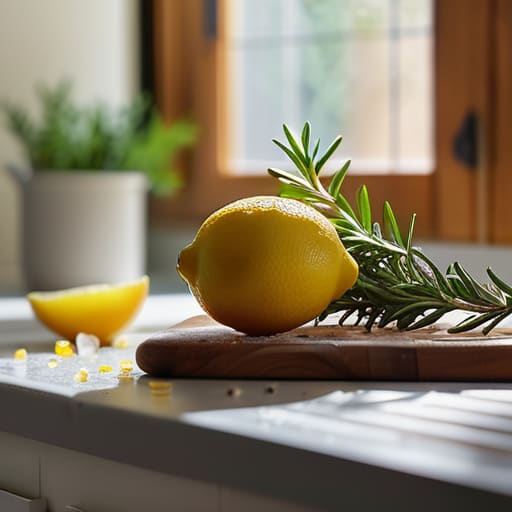
Let’s be real: the kitchen is usually the heart of the home, but it’s also where the most aggressive smells live. I’ve spent way too many evenings trying to mask the scent of last night’s garlic shrimp with expensive, flowery sprays that just end up smelling like “floral shrimp.” Instead of fighting the scent, I’ve learned that eliminating kitchen smells is all about chemistry, not perfume.
My go-to move is the humble baking soda. I keep a small, open bowl of it tucked near the stove for constant baking soda odor absorption. It’s not flashy, but it actually pulls the scent out of the air rather than just layering a scent on top of it. If you’ve just finished a particularly pungent cooking session, I highly recommend simmering a pot of water with a few slices of lemon or a splash of vanilla on the stove. It’s a simple natural air freshener DIY that makes the whole apartment feel reset without costing a dime or leaving a chemical film on your counters.
Baking Soda Odor Absorption That Actually Works
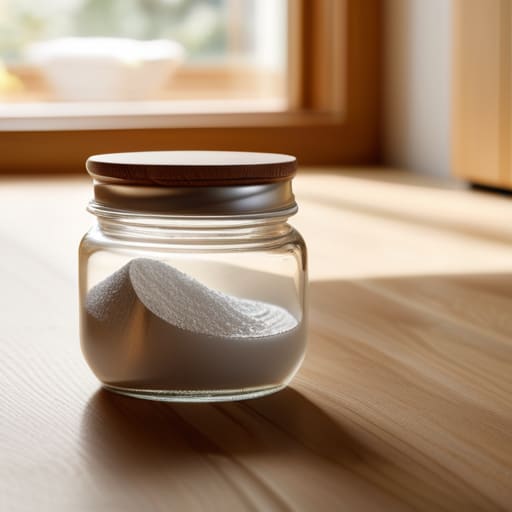
Look, I know the instinct is to grab a bottle of something neon-colored and heavily scented the second things start smelling a bit “off,” but that usually just masks the problem. If you want to actually tackle the source, baking soda is your best friend. I keep a few small jars of it scattered around my apartment because baking soda odor absorption is honestly one of those low-effort, high-reward wins. Instead of just spraying perfume over a smell, the powder actually pulls the scent molecules out of the air and surfaces.
For my pet owners out there, this is a total game-changer for neutralizing pet odors in rugs or around crates. I usually sprinkle a generous layer over the carpet, let it sit for at least an hour (or overnight if you can manage it), and then vacuum it up. It’s not as “pretty” as a designer candle, but it’s a much more effective natural air freshener DIY that won’t leave your lungs feeling coated in artificial chemicals. It’s messy, sure, but it works.
A few more ways to stop your place from smelling like a science experiment
- Stop ignoring your trash can. I used to just toss the bag and call it a day, but the real trick is scrubbing the actual plastic bin with some dish soap and hot water once a month. If you don’t, that lingering “garbage juice” smell will haunt your kitchen no matter how many candles you light.
- Open your windows, even if it’s chilly. I know, it feels counterintuitive when you’re trying to keep the heat in, but stagnant air is basically an invitation for odors to settle. Just fifteen minutes of a cross-breeze can do more for your air quality than any expensive air purifier I’ve ever tried.
- Don’t forget the “hidden” fabric traps. Your couch, your curtains, and even your area rugs soak up smells like a sponge. Instead of a deep clean every week, grab a handheld vacuum and a little bit of fabric refresher (or just more baking soda) to hit the high-traffic spots once in a while.
- Check your dishwasher filter. This was a huge one for me. If your kitchen smells slightly “off” even when it’s clean, it’s probably because food scraps are rotting in the filter at the bottom. It takes two minutes to pop it out and rinse it, but it’s a total game-changer for that post-dinner funk.
- Simmer something on the stove instead of buying aerosol sprays. If you have guests coming over and you realize the house smells a bit like old takeout, just throw a pot of water on the stove with some lemon slices and a sprig of rosemary from my herb garden. It smells like a real home, not a chemical factory.
The quick cheat sheet for a fresher home
Stop masking smells with heavy perfumes; focus on neutralizing the actual source first, whether that’s a trash can or a damp towel.
Keep a box of baking soda on hand as your secret weapon—it’s cheap, non-toxic, and way more effective than those expensive “scent neutralizing” sprays.
Don’t underestimate the power of air circulation; sometimes a five-minute cross-breeze from an open window does more than any cleaning product ever could.
The truth about "freshness"
“Stop trying to mask a smell with a $40 candle that just ends up smelling like ‘vanilla-scented garbage.’ If you want your home to actually smell clean, you have to stop covering the problem and start neutralizing it—even if the solution is as unglamorous as a box of baking soda.”
Maya Sterling
Keeping the Freshness Going
At the end of the day, tackling smells isn’t about buying a dozen different specialized cleaners that promise a “mountain breeze” scent. It’s really just about being proactive with the stuff you already have in your pantry. Whether you’re dumping baking soda on a rug, scrubbing the sink with vinegar, or just making sure your trash can isn’t holding onto last night’s onion scraps, these small, functional habits make all the difference. You don’t need a professional cleaning crew or a cabinet full of expensive aerosols to make your home feel breathable again; you just need to focus on the sources rather than trying to mask them with heavy perfumes.
I know that when life gets chaotic—and let’s be real, it usually is—the last thing you want to do is deep-clean every corner of your apartment. But please remember that a house that smells a little lived-in is perfectly fine. Don’t let the pressure of a “picture-perfect” home get in your head. My goal isn’t to help you create a museum; it’s to help you create a space where you can actually relax and breathe easy. Take it one small step at a time, grab your multi-tool or a box of baking soda, and just start where you are. You’ve got this.
Frequently Asked Questions
Does using vinegar in a bowl actually work for lingering smells, or is it just an old wives' tale?
It’s definitely not just an old wives’ tale, but there’s a catch. Vinegar is an acetic acid, which means it actually neutralizes alkaline odors (like those lingering fishy smells or stale cooking scents) rather than just masking them. I always leave a small bowl of white vinegar out overnight after a big meal. Just fair warning: your kitchen will smell like a salad for an hour, but once it evaporates, the bad smells go with it.
How often do I really need to deep clean my trash can to stop that persistent funky smell?
Honestly? If you’re feeling that “phantom funk” every time you walk past the bin, it’s time. I try to do a real scrub with hot, soapy water and a splash of vinegar once a month, no matter what. But if you’ve been throwing out a lot of food scraps or have pets, aim for every two weeks. Don’t just rinse it—actually scrub the bottom where the liquid sludge hides. It’s gross, but it’s the only way.
Can I use these DIY methods on fabric surfaces like my couch or rug without ruining them?
Yes, you can, but please don’t just go dumping stuff on your favorite velvet sofa. I’ve learned the hard way that “natural” doesn’t always mean “harmless.” For rugs or upholstery, always do a tiny patch test in an inconspicuous spot first. Stick to the dry baking soda method—sprinkle it, let it sit, and vacuum it up. Avoid liquids unless you’re prepared for potential staining. Keep it dry, keep it simple, and test first.