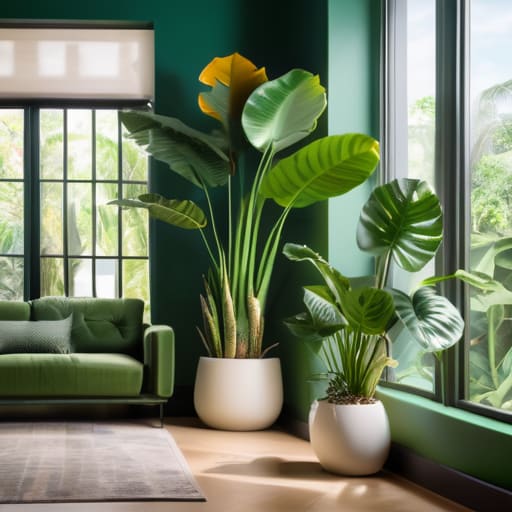
I was sitting on my living room floor last Tuesday, surrounded by three different “smart” air purifiers that cost more than my monthly grocery budget, and I realized something ridiculous: I was still sneezing. It felt like I’d fallen for the ultimate marketing trap, thinking that if I just bought enough expensive, sleekly designed gadgets, I’d finally figure out how to improve indoor air quality in my tiny apartment. The truth is, most of these high-tech solutions are just glorified fans wrapped in a massive markup, and they don’t address the actual dust and allergens living in your vents or your rug.
I’m not here to sell you on a lifestyle of expensive, aesthetic air scrubbers that require a monthly subscription to work. Instead, I want to share the actually effective ways to clear the air that won’t break your bank account. We’re going to talk about the low-tech, high-impact habits—like when to actually swap your filters and how to manage humidity—that make a real difference. This is about practical, messy-but-functional systems that work in a real home, not a showroom.
Table of Contents
- Ditch the Performative Scents for Natural Ways to Clean Indoor Air
- Identifying Common Indoor Air Pollutants Hiding in Your Messy Corners
- Five Low-Effort Ways to Actually Breathe Better
- The Low-Effort Air Quality Cheat Sheet
- The Reality Check on "Fresh" Air
- Taking the First Breath
- Frequently Asked Questions
Ditch the Performative Scents for Natural Ways to Clean Indoor Air
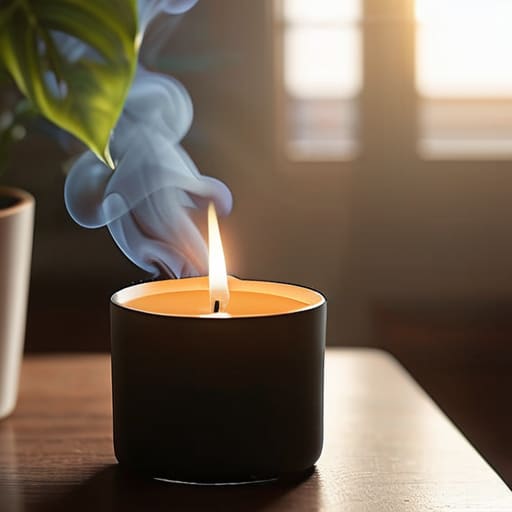
We’ve all been there: you walk into a house that smells like “Mountain Spring” or “Vanilla Bean,” and you think, Ah, it’s clean. But let’s be real—most of those plug-in air fresheners and scented candles are just masking the problem with a layer of synthetic fragrance. In many cases, those very scents are actually contributing to common indoor air pollutants by releasing volatile organic compounds (VOCs) into your living space. It’s a bit of a cycle: you try to make the air smell better, but you’re actually making it harder to breathe.
If you want to actually refresh your space, skip the chemical sprays and look toward natural ways to clean indoor air. I’ve started leaning heavily into my indoor herb garden for this; having live plants isn’t just about the aesthetic, it’s about bringing a bit of natural filtration into the room. If you’re feeling a bit more proactive, focus on reducing household allergens by ditching the heavy perfumes and instead using simple, scent-free cleaning agents. It might not smell like a fake tropical rainforest, but your lungs will definitely thank you for the lack of artificial junk.
Identifying Common Indoor Air Pollutants Hiding in Your Messy Corners
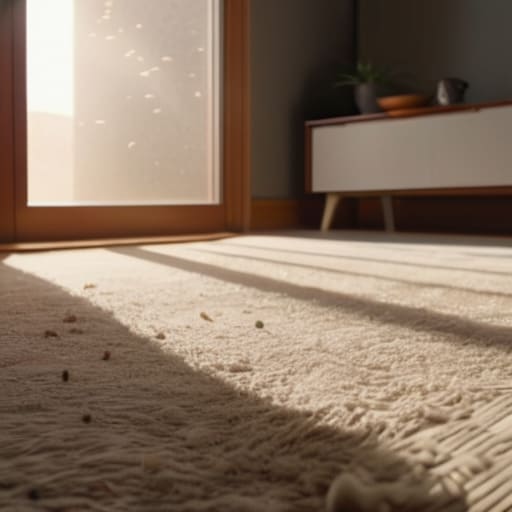
Before we can fix the air, we have to figure out what’s actually messing it up. It’s easy to blame “bad air,” but usually, the culprits are hiding in plain sight. I used to think my stuffy apartment was just an old building issue, but it was actually a mix of common indoor air pollutants like dust mites in my rug and the lingering scent of that cheap cleaning spray I used to love. Even your pets, as much as I adore mine, contribute to a constant cycle of dander that lingers in the corners of the room.
Then there’s the invisible stuff. I didn’t realize how much the impact of humidity on air quality mattered until I noticed a weird musty smell near my window sill. If your place feels damp, you’re basically inviting mold to move in and set up shop. It’s not about being a neat freak; it’s about realizing that stuff like pet hair, cooking oils, and even the off-gassing from a new cheap bookshelf can turn your sanctuary into a bit of a breathing hazard.
Five Low-Effort Ways to Actually Breathe Better
- Stop treating your air purifier like a piece of decor. If you own one, check the filter today. If it looks like a grey, fuzzy sponge, it’s not cleaning anything—it’s just circulating dust. Swap it out, even if the manual says you have six months left.
- Open a window for ten minutes every single morning. I know, it sounds counterintuitive if it’s chilly outside, but a quick cross-breeze is the fastest, cheapest way to flush out the stale air and CO2 that builds up while you sleep.
- Quit the “cleaning” habit of spraying aerosol everything. Those scented mists and heavy-duty sprays are often just a cocktail of VOCs that hang in the air long after the smell fades. Stick to microfiber cloths and plain old water or vinegar whenever you can.
- Manage your humidity without a fancy smart home setup. If your place feels damp and smells a bit musty, get a cheap hygrometer from Amazon to see what’s actually happening. If it’s too high, run a dehumidifier; if it’s too low, a simple bowl of water near a radiator can do wonders.
- Don’t let your vacuum become a dust distributor. If you have an older model without a HEPA filter, you’re basically just stirring up fine particles and blowing them back into the room. Vacuum your rugs regularly, but if you can, make sure the machine is actually trapping the small stuff instead of just moving it around.
The Low-Effort Air Quality Cheat Sheet
Stop chasing “scented” air; focus on source control by ditching the heavy aerosols and actually cleaning the dust bunnies where they hide.
You don’t need a high-tech setup to see a difference—simple habits like opening a window for ten minutes a day and swapping out your HVAC filters on a real schedule go much further than a fancy gadget.
Keep it functional, not aesthetic; if a plant or a purifier is just sitting there looking pretty but you aren’t maintaining it, it’s not doing anything for your lungs.
The Reality Check on "Fresh" Air
“We’ve been conditioned to think that ‘clean’ air smells like a heavy mountain-breeze candle, but honestly? Clean air shouldn’t smell like anything at all. If you’re masking a stuffy room with more chemicals, you’re just decorating the problem instead of actually fixing it.”
Maya Sterling
Taking the First Breath
At the end of the day, improving your air quality isn’t about achieving some Pinterest-perfect, sterile sanctuary. It’s really just about the basics: swapping out those heavy, synthetic candles for something natural, getting a handle on the dust bunnies hiding in your corners, and actually remembering to crack a window once in a while. You don’t need to overhaul your entire home or drop a month’s rent on high-tech gadgets to see a difference. Just focus on small, manageable swaps that fit into your actual routine—like changing a filter when it looks gross or ditching the harsh chemical cleaners for something more breathable.
I know that looking at a list of “pollutants” can feel incredibly overwhelming, like your home is suddenly a minefield. But please, don’t let the science paralyze you. We aren’t aiming for laboratory-grade purity; we’re just aiming for a space that feels actually livable and healthy for you and your people. Start with one thing today—maybe it’s just a quick declutter or opening a door to let some fresh air circulate. Life is messy, and your home is going to be too, but you deserve to breathe easy in the middle of it all.
Frequently Asked Questions
Are houseplants actually doing anything, or am I just wasting money on things that will eventually die in my living room?
Honestly? It’s a bit of both. Don’t get me wrong, you aren’t going to turn your apartment into a literal forest that scrubs all the toxins away—the science says you’d need a jungle to make a massive dent. But, they do help with humidity and a tiny bit of filtration. If you want the benefits without the guilt, stick to “unkillable” ones like Pothos. It’s more about the vibe and small wins than a total air overhaul.
How often do I really need to clean my AC filters if I don't have pets or kids running around?
Honestly, even without the chaos of kids or shedding pets, I’d still aim for once a month. Dust is a sneaky little traveler—it drifts in through windows and settles on everything regardless of how clean your floors look. If you’re in a particularly dusty area or haven’t opened your windows in a while, maybe check them every few weeks. Just pull them out, give them a quick rinse or vacuum, and call it a day.
Is it actually worth getting a HEPA filter, or is that just another one of those "must-have" gadgets that doesn't make a difference?
Honestly? It’s not just hype, but you don’t need a smart-tech monstrosity to see results. If you have allergies or live in a dusty city apartment, a decent HEPA filter is a total game-changer for your lungs. But don’t fall for the marketing—you don’t need one that connects to your Wi-Fi or costs a month’s rent. Just find a solid, mid-range model, keep the filter clean, and let it do its job.