I used to think that being “safe” meant spending a small fortune on smart locks that require a software update every Tuesday and high-tech cameras that send way too many useless notifications to my phone. Honestly, most of the advice you see online about home safety tips feels like it was written by someone trying to sell you a subscription service rather than someone who actually lives in a real apartment. We don’t need more performative security; we need systems that actually work when things get messy.
I’m not here to pitch you a lifestyle upgrade or a gadget-filled showroom. Instead, I want to share the gritty, low-cost, and highly functional habits I’ve picked up from years of navigating small-space living and DIY projects. I’m going to walk you through the non-negotiable basics—the kind of stuff that saves you time, money, and genuine headaches—without all the unnecessary hype. Consider this your no-nonsense guide to making your space feel secure, one practical step at a time.
Table of Contents
- Fire Prevention Strategies That Dont Require a Makeover
- Childproofing Your Living Space Without the Clutter
- The low-effort, high-impact stuff you’re probably ignoring
- The non-negotiables for a safer, simpler home
- Real safety isn't a lifestyle aesthetic
- Keeping it Real and Safe
- Frequently Asked Questions
Fire Prevention Strategies That Dont Require a Makeover
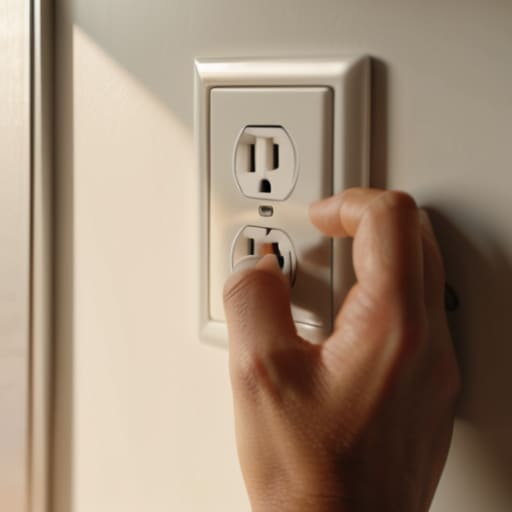
Let’s be real: nobody wants to spend their Saturday afternoon reading a manual on fire safety. But after a close call with a neglected toaster crumb last month, I realized that most fire prevention strategies don’t need to involve high-tech gadgets or a complete kitchen overhaul. It’s actually about the boring, unglamorous stuff. Start by doing a quick sweep of your outlets; if you see any scorched marks or feel heat coming from a plug, that’s your sign to stop using it immediately. It’s not about being paranoid, it’s just about not letting a tiny spark turn into a crisis.
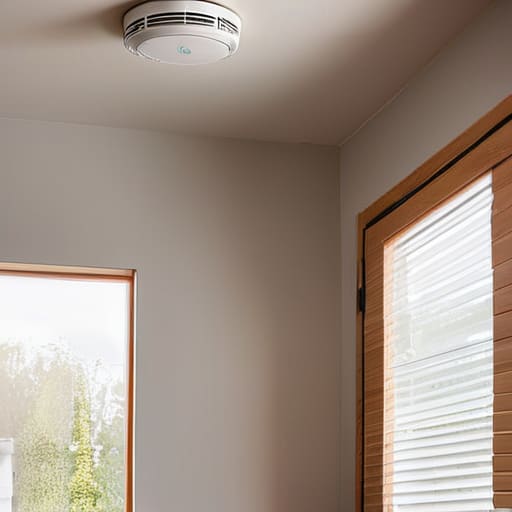
Another thing I’ve learned is that “out of sight” shouldn’t mean “out of mind” when it comes to your smoke detectors. I used to ignore that little chirp for weeks, but now I make it a habit to test them once a month—I even set a recurring reminder on my phone so I don’t forget. Also, if you have kids, keep the flammable stuff—like lighters or those decorative candles we all love—up high and out of reach. It’s a simple part of preventing household accidents that actually makes a massive difference in your overall peace of mind.
Childproofing Your Living Space Without the Clutter
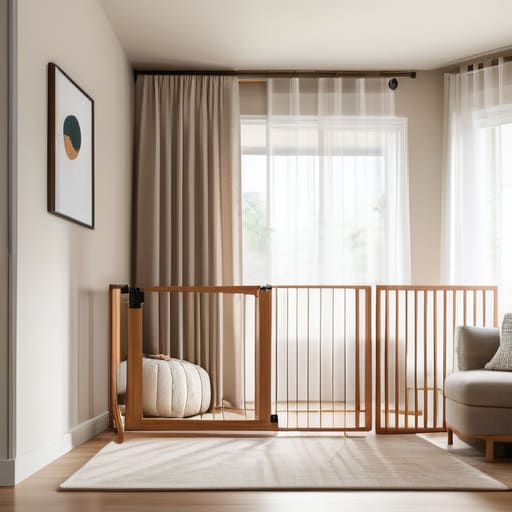
I used to think childproofing meant turning my living room into a padded cell filled with neon-colored plastic gates and foam everywhere. It’s overwhelming, and honestly, it kills the vibe of a room you actually like living in. But after a few close calls with my niece, I realized that childproofing your living space doesn’t have to be an all-or-nothing aesthetic nightmare. It’s about identifying the high-risk zones and addressing them with intention rather than just buying every gadget on the shelf.
Instead of trying to block off every single corner, I focus on the “big three”: outlets, heavy furniture, and low-level cords. I swapped out those bulky, unsightly outlet covers for the sliding ones that sit flush against the wall—they’re way harder for tiny fingers to pry off and they don’t look like a construction zone. I also made sure to anchor my bookshelves to the wall, which is a non-negotiable step for preventing household accidents that most people overlook. You don’t need a house that looks like a nursery; you just need a space where you can actually breathe without constantly hovering.
The low-effort, high-impact stuff you’re probably ignoring
- Stop scrolling past those “smart” security cameras for a second and just check your locks. It sounds basic, but I spent a whole weekend realizing my sliding door latch was loose and my window locks were practically decorative. A quick screwdriver fix is way cheaper than a high-tech system that won’t even stop a determined intruder.
- Check your tech—and I don’t mean your phone. Go find that old flashlight in your junk drawer and see if it actually works. There is nothing more stressful than a power outage at 2 AM when you’re fumbling around in the dark with a dead battery.
- Don’t let your entryway become a trip hazard. I used to love having a pile of shoes by the door, but one late-night trip to the kitchen taught me that a clear path is much better than a “lived-in” look. Keep the walkway clear so you (and anyone else living with you) aren’t stumbling in the dark.
- Take a look at your cords. We all have that one corner where the power strips look like a bird’s nest of tangled wires. It’s not just an eyesore; it’s a heat risk. Use some simple velcro ties to bundle them up and keep them away from any heavy furniture or high-traffic areas.
- Get your emergency contact list off your phone and onto something physical. If your phone dies or you lose it during a crisis, you’re stuck. I keep a small, laminated card on my fridge with the basics—doctor, local utility numbers, and an out-of-state contact—just in case.
The non-negotiables for a safer, simpler home
Stop waiting for a “renovation” to fix safety issues; check your smoke detector batteries and window locks today, because functional security beats aesthetic decor every single time.
Don’t get distracted by expensive, trendy baby gadgets that just add clutter—focus on the basics like securing heavy furniture to the wall and keeping small, tempting objects out of reach.
Build a “safety toolkit” that actually works for your lifestyle, meaning a simple, accessible fire extinguisher and a basic first-aid kit that isn’t buried at the bottom of a junk drawer.
Real safety isn't a lifestyle aesthetic
“We need to stop treating home safety like a home renovation project. You don’t need a high-tech, designer security system to feel secure; you just need to make sure your smoke detectors actually work and your heavy furniture isn’t a tipping hazard. Safety is about the boring, unglamorous habits that keep your world running, not the gadgets that look good on a shelf.”
Maya Sterling
Keeping it Real and Safe
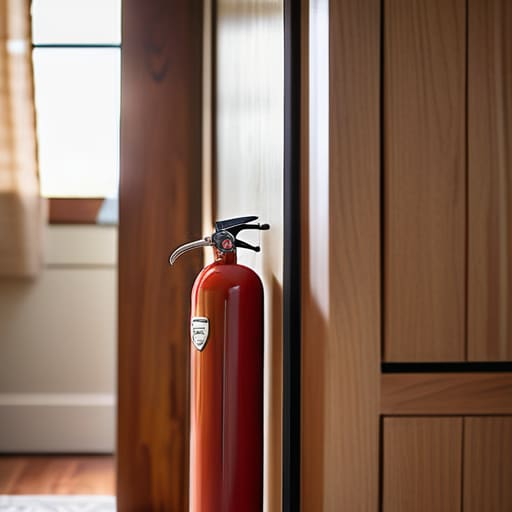
At the end of the day, home safety isn’t about having a perfectly curated, high-tech fortress; it’s about the small, unglamorous habits that actually keep us out of trouble. We’ve talked about everything from making sure your smoke detectors aren’t just ornamental to childproofing in a way that doesn’t turn your living room into a plastic-wrapped obstacle course. It’s really just about checking the basics—locking the windows, clearing the clutter from your hallways, and knowing where your fire extinguisher is hiding. It might not make for a pretty Instagram reel, but these practical, low-maintenance systems are what actually protect your peace of mind when things go sideways.
I know that looking at a long list of “to-dos” can feel incredibly overwhelming, especially when you’re already juggling a million other things. But please, don’t feel like you have to overhaul your entire life by tomorrow morning. Just pick one thing—maybe it’s testing that one detector in the hallway or finally securing that loose rug—and start there. Safety doesn’t have to be a massive, expensive project; it’s just a series of small, intentional wins that make your space a little more secure. You’ve got this, and honestly, your future, less-stressed self will definitely thank you.
Frequently Asked Questions
How do I keep my home safe from intruders without turning my apartment into a fortress or spending a fortune on high-tech cameras?
Look, I get it. You want to feel secure, but you aren’t trying to live in a high-security prison. Honestly? Start with the basics. Make sure your deadbolts are actually sturdy and not just decorative. A simple, motion-activated light by your entryway does wonders for deterring people without needing a monthly subscription. And don’t underestimate a “lived-in” look—leaving a radio on or a pair of shoes by the door makes it look like someone’s actually home.
What are some low-cost ways to check if my old electrical outlets or appliances are actually safe to keep using?
Honestly, you don’t need an electrician to do a quick vibe check. First, touch your outlets—if they feel warm to the touch or look discolored, stop using them immediately. Listen for any buzzing or crackling sounds when you plug something in, too. For appliances, check the cords for fraying or weird kinks. If a plug feels loose or wobbles in the socket, it’s a red flag. Better to spend a few bucks on a replacement than risk it.
I live in an older building with a lot of character—are there specific safety red flags I should be looking for that I might otherwise miss?
Living in an older place is great for the vibes, but those “character” details can hide some real headaches. Keep a close eye on your outlets—if they feel loose or look discolored, that’s a major red flag for outdated wiring. Also, check your windows and doors; if they don’t latch firmly or the frames feel soft, you might have more than just “vintage charm” going on. Don’t ignore those weird smells or creaks.