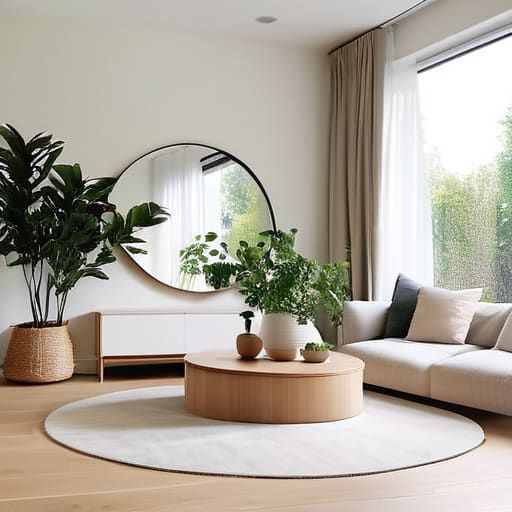
I used to spend hours scrolling through interior design feeds, convinced that the only way to fix my cramped studio was to buy a massive, expensive sectional and a set of “space-expanding” designer mirrors. It felt like every single expert was trying to sell me a lifestyle I couldn’t afford, promising that if I just followed their high-end rules, I’d finally stop feeling like I was living in a literal shoebox. But here’s the truth: most of those “aesthetic” tips are totally impractical for anyone actually living in a real city apartment. If you’re tired of the fake perfection and just want to know how to make a small room look bigger without emptying your savings account, I’ve been exactly where you are.
I’m not here to give you a lecture on architectural theory or tell you to move to a house with vaulted ceilings. Instead, I’m sharing the messy, tested methods that actually work when you’re working with limited square footage and a tight budget. We’re going to focus on functional shifts—like how you position your furniture or the way you use light—that create the illusion of space without the performative fluff. Let’s get your space feeling breathable and functional again.
Table of Contents
- Forget Fancy Decor Using Mirrors for Creating Depth
- Smart Color Palettes for Small Rooms That Actually Work
- Stop Shoving Everything Against the Walls: 5 Real Ways to Breathe Life Into Your Space
- The "No-Fluff" Summary for Your Space
- ## The Real Secret to Small Space Living
- Making It Your Own
- Frequently Asked Questions
Forget Fancy Decor Using Mirrors for Creating Depth
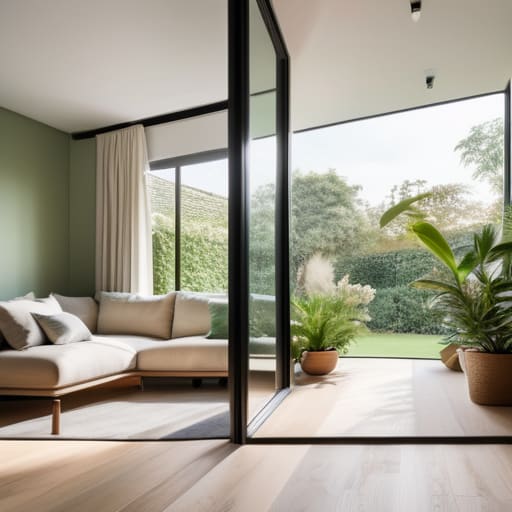
Look, I know the urge to go out and buy a massive, gold-leafed floor mirror to “elevate the vibe,” but let’s be real: you don’t need a museum piece. You just need light and a bit of clever placement. When I first moved into my studio, I realized that mirrors for creating depth weren’t about the price tag; they were about where they sat in relation to my windows. If you hang a mirror directly opposite a light source, it basically acts like a second window, bouncing brightness into those dark, cramped corners that make a room feel like a cave.
Don’t feel like you have to commit to one giant statement piece, either. If you’re working with a tight budget, even a few smaller, inexpensive mirrors tucked into a hallway or placed near a desk can break up the visual weight of a wall. It’s a simple way of tricking the eye into seeing more distance than there actually is. Just avoid the mistake of cluttering the reflection with a mess of wires or laundry; a mirror only works its magic if it’s reflecting something that doesn’t make you want to hide under the covers.
Smart Color Palettes for Small Rooms That Actually Work
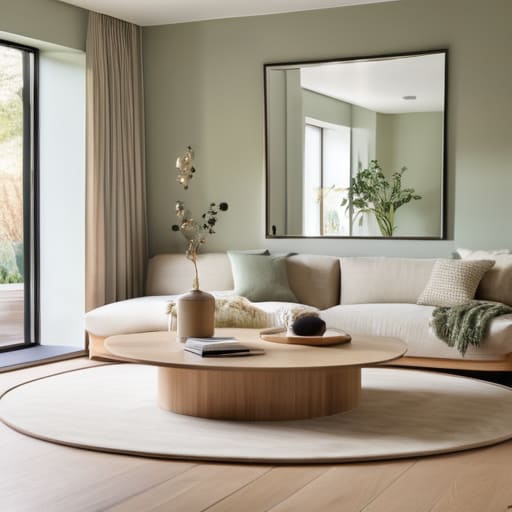
I used to think that living in a small apartment meant I was stuck with whatever beige paint the landlord chose, but I quickly learned that color is one of the easiest tools we have for maximizing small apartment space. You don’t need a professional designer to tell you that dark, moody walls can make a room feel like a cave, but you also don’t need to live in a sterile, all-white box to feel like you have breathing room.
The trick isn’t just about picking a light color; it’s about how those colors interact with your light sources. I’ve found that using monochromatic interior design color palettes for small rooms—basically using different shades of the same color—helps blur the lines where the walls meet, making the boundaries of the room feel less obvious. If you’re working with a tight budget, even just painting your trim the same color as your walls can trick your eye into seeing more height. It’s not about following a strict aesthetic; it’s about using what you have to stop the walls from feeling like they’re closing in on you.
Stop Shoving Everything Against the Walls: 5 Real Ways to Breathe Life Into Your Space
- Stop hugging the walls. It sounds counterintuitive, but pushing every single piece of furniture against the perimeter actually highlights how tiny the floor plan is. Pull your sofa just a few inches away from the wall or angle a chair. That tiny bit of “breathing room” creates shadows and depth that trick your brain into thinking the room is more expansive than it actually is.
- Go vertical, not wide. When you’re short on floor space, look up. I started using tall, slim bookshelves instead of wide, chunky credenzas, and it changed everything. Drawing the eye toward the ceiling makes the walls feel taller, which stops that “boxed-in” feeling that comes with low ceilings.
- Ditch the heavy curtains. Nothing kills a small room faster than thick, velvet drapes that swallow the light. I swapped mine for sheer linen panels that let the natural light filter through. If you can see the window frame, the room feels connected to the outside, which is a huge psychological win for feeling less cramped.
- Use “leggy” furniture. If your furniture sits flush against the floor like a heavy block, it acts like a visual roadblock. Look for pieces with tapered legs—mid-century modern style is great for this. Being able to see the floor extending underneath your coffee table or sofa makes the footprint of the room feel much lighter and more open.
- Declutter the surfaces (for real). We all love a “shelfie,” but a cluttered mantel or desk makes a room feel like it’s closing in on you. I follow a simple rule: if it doesn’t serve a function or bring me genuine joy, it doesn’t get a spot on the tabletop. Keeping surfaces mostly clear allows the eye to move freely, which is the ultimate hack for perceived space.
The "No-Fluff" Summary for Your Space
Stop buying massive furniture just because it looks good in a catalog; go for pieces with legs so you can see more of the floor, which trick your brain into thinking there’s more breathing room.
Don’t get obsessed with a perfectly coordinated color scheme, but do try to keep your walls and large furniture in a similar tone to avoid “chopping up” the room and making it feel tiny.
Use your vertical space like it’s gold—installing a few floating shelves is way better than cluttering your limited floor space with extra side tables or bulky bookcases.
## The Real Secret to Small Space Living
“Stop trying to force your life into a showroom layout; a small room only feels cramped when you’re fighting against it instead of working with what you’ve actually got.”
Maya Sterling
Making It Your Own
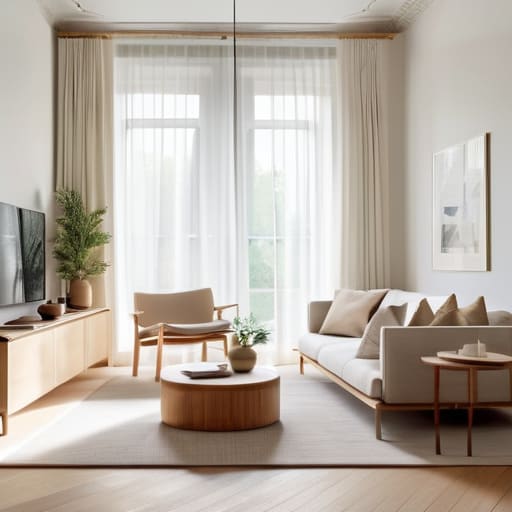
At the end of the day, making a small room feel larger isn’t about following a strict set of design rules or buying every “space-saving” gadget you see on an Instagram ad. It’s about being intentional with what you already have. Whether you’re rethinking your color palette to keep things airy or strategically placing a mirror to trick your eyes into seeing more depth, the goal is to reduce the visual clutter that makes a space feel claustrophobic. You don’t need a massive renovation or a huge budget; you just need to stop fighting the dimensions of your home and start working with them.
I know how easy it is to feel like you’re constantly “settling” when you live in a compact space, but please remember that your home should serve you, not the other way around. A small room doesn’t have to feel cramped or unfinished; it can be a cozy, organized sanctuary that actually breathes. Focus on the functional systems that make your daily life easier, and the sense of space will follow naturally. You’ve got this—just take it one small, practical change at a time and make the space work for you.
Frequently Asked Questions
I don't have a huge budget, so what are some cheap or DIY ways to make my space feel less cramped?
Look, I’ve been there—staring at a tiny apartment and feeling like the walls are closing in. You don’t need a renovation budget to fix this. First, declutter ruthlessly; if you haven’t touched it in six months, it’s just taking up precious mental and physical space. Next, try “vertical living.” Grab some cheap floating shelves to get your stuff off the floor. Keeping your floor visible is the fastest way to trick your brain into seeing more room.
Does adding more stuff and decor actually make a room feel smaller, or can I still have my personality in a tiny space?
Look, I get it. I don’t want to live in a sterile white box that looks like a hospital wing. The truth is, clutter makes a room feel smaller, but “decor” doesn’t have to be clutter. It’s all about curation. Instead of scattering tiny trinkets everywhere, try grouping your personality into a few intentional “moments”—like a styled shelf or a cozy reading nook. It keeps the soul in the room without the suffocating mess.
How do I figure out which furniture pieces are actually worth the floor space and which ones are just cluttering everything up?
Look, I’ve been there—staring at a beautiful armchair that actually just makes my living room feel like an obstacle course. My rule of thumb? If it doesn’t pull double duty, it’s probably a space-hog. Ask yourself: Does this piece have storage built-in? Does it serve a daily purpose? If it’s just “vibey” but you never actually sit on it or use it, it’s clutter. Prioritize multi-functional pieces; they’re the real MVPs of small-space living.