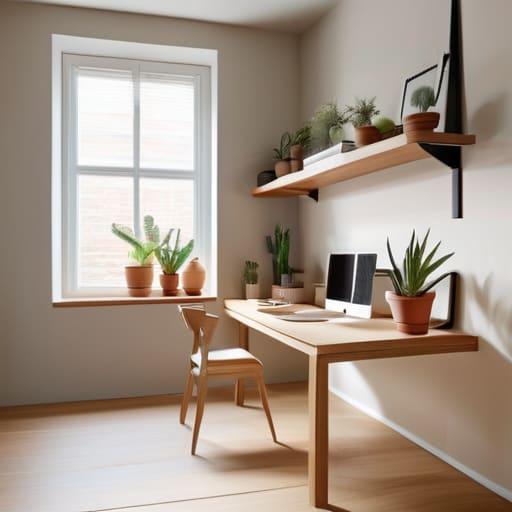
If I see one more video of someone buying twenty identical, cream-colored acrylic bins just to organize a single drawer, I might actually lose it. We’ve been sold this lie that small space organization is about achieving some sort of beige, minimalist sanctuary where nothing ever touches the floor. But let’s be real: life is messy, and most of us are working with a budget that doesn’t allow for a total lifestyle overhaul every time we move into a new studio. I spent three years tripping over my own shoes and digging through “aesthetic” baskets that held absolutely nothing useful, realizing that perfection is actually the enemy of function.
I’m not here to sell you a dream or a shopping list of expensive organizers you don’t need. Instead, I want to share the gritty, tested systems I’ve used to make my own cramped apartment actually livable. We’re going to talk about the cheap, slightly unglamorous hacks that actually save you time and mental energy. From repurposing what you already own to finding clever ways to use vertical space, this is about making your home work for you, not the other way around.
Table of Contents
Forget Aesthetic Bins Real Decluttering Tiny Apartments
Look, I’ve spent way too much money in the past on those matching, cream-colored linen bins that look stunning in a staged photo but do absolutely nothing for my actual life. The truth about decluttering tiny apartments is that you don’t need a color-coordinated system to find your keys; you just need to stop hoarding things you haven’t touched since 2019. Before you even think about buying a single organizer, do a brutal sweep of your surfaces. If it doesn’t serve a daily purpose or bring you genuine joy, it’s just taking up precious real estate.
Once the excess is gone, stop looking at your floor space as your only option. I’ve learned that the real magic happens when you look up. Instead of buying more bulky cabinets, lean into vertical storage solutions like heavy-duty floating shelves or even those over-the-door organizers that most people overlook. I use one for my cleaning supplies and another for my tech cables, and it’s a total game-changer. It’s not about making the room look like a magazine spread; it’s about making sure you can actually walk through it without stubbing your toe.
Stop Wasting Floor Space With Vertical Storage Solutions
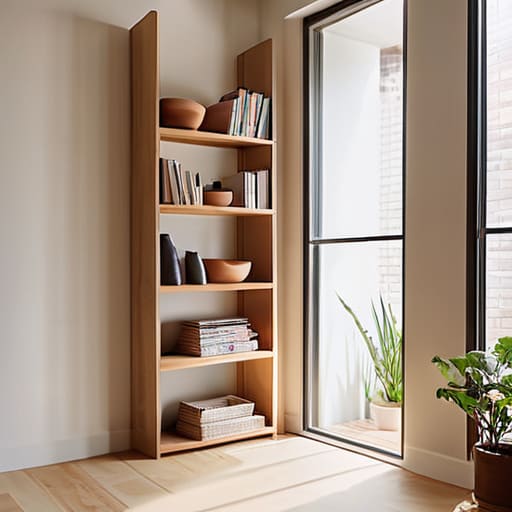
If you’re like me, your first instinct when a room feels cramped is to look at the floor and wonder where all the extra stuff is going to go. But here’s the thing: your floor is precious real estate. Stop treating it like a dumping ground for everything you aren’t ready to throw away. Instead, start looking up. I’ve learned that the secret to breathing easier in a studio is leaning hard into vertical storage solutions that take the weight off your walking paths.
I’m talking about those heavy-duty floating shelves that sit just above your headboard, or even those over-the-door organizers that people usually reserve for shoes but actually work wonders for cleaning supplies or snacks. If you have a bookshelf, don’t just line it up neatly; use the very top shelf for those seasonal items you only touch once a year. It’s not about having a museum-quality display; it’s about using every single inch of wall space you’re already paying rent for. When you move the chaos off the ground and onto the walls, the whole room suddenly feels less like a storage unit and more like a home.
5 Ways to Make Your Space Work Without Breaking the Bank
- Use the “One In, One Out” rule religiously. If you buy a new sweater, an old one has to go—either to charity or the trash. In a tiny apartment, every new item is a direct threat to your breathing room, so don’t let things accumulate just because you have a spare five minutes.
- Stop ignoring your “dead” zones. That gap between your fridge and the wall? It’s a perfect spot for a slim rolling pantry. The space above your door? Hang a few hooks there for hats or bags. If there’s a gap, find a way to plug it with something useful.
- Get a heavy-duty command hook habit. I know, they aren’t “decor,” but hanging your keys, your headphones, and even your lightweight kitchen tools on the walls keeps your flat surfaces from becoming graveyard for clutter.
- Invest in multi-purpose furniture that actually does something. A coffee table with hidden storage or an ottoman that doubles as a seat is worth its weight in gold. If a piece of furniture only does one thing, it’s probably taking up too much space.
- Group your “zones” with cheap trays or even just small boxes. Instead of having loose bottles of skincare or spices scattered everywhere, put them in a little tray. It makes the mess look intentional and, more importantly, makes it way easier to wipe down when things inevitably spill.
The Bottom Line: Making It Work for You
Prioritize function over the “look”—if a mismatched plastic bin keeps your junk drawer from overflowing, use it and move on.
Look up, not just out; your walls and the space above your doors are your best friends when square footage is tight.
Build systems that actually fit your real, messy life, not the idealized version of yourself you see on Instagram.
The Truth About Tiny Living
“Stop trying to curate a museum-worthy apartment and start building a workspace that actually supports your life; a cluttered corner isn’t a failure of style, it’s usually just a sign that your systems aren’t working for you yet.”
Maya Sterling
Making It Work for You
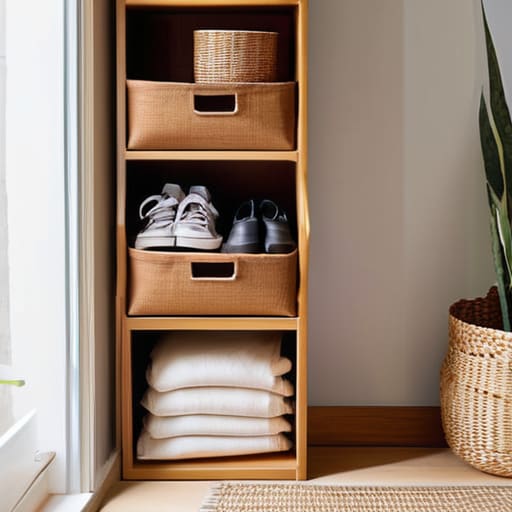
At the end of the day, organizing a tiny apartment isn’t about achieving some magazine-ready look that requires a professional stylist and a massive budget. It’s about the practical stuff we’ve talked about: ditching the expensive, color-coordinated bins for whatever actually fits on your shelves, and finally utilizing that empty wall space so you aren’t constantly tripping over your shoes. If you focus on vertical storage and prioritizing utility over aesthetics, you’ll find that your space starts to breathe. It’s not about being perfect; it’s about creating a functional system that works with your real, messy life instead of fighting against it.
Please, give yourself permission to let go of the pressure to have a “Pinterest-perfect” home. Your apartment is a place to live, recharge, and exist—not a showroom for people to judge your lack of built-in shelving. If your storage solutions are a little mismatched or your pantry isn’t color-coded, but you can actually find your keys and cook a meal without a meltdown, then you have won. Small spaces are tough, but once you stop chasing the aesthetic and start embracing the utility, you’ll realize that a manageable home is much better than a pretty one.
Frequently Asked Questions
How do I deal with "clutter creep" when I don't have any extra room to store things I'm not using right now?
Honestly, “clutter creep” is the silent killer of small-apartment living. When you’re out of square footage, you have to stop thinking about “storage” and start thinking about “circulation.” If it isn’t rotating through your life, it’s just taking up mental energy. I use a strict “one in, one out” rule—if a new sweater comes home, an old one gets donated. If you can’t rotate it, you probably don’t need it.
Are there any low-cost ways to organize a tiny kitchen without buying a whole new set of matching containers?
Honestly, please don’t go out and buy those expensive, matching glass canisters. It’s a money pit. Instead, I just repurpose what I already have. Empty pasta sauce jars or even old coffee tins work perfectly for holding dried herbs or loose tea. If you need to organize your pantry, just use cheap metal baking sheets to create “shelves” inside deeper cabinets. It’s not going to look like a magazine spread, but it works.
How do I keep my workspace organized in a studio apartment when my desk is basically my dining table?
The “desk-dining-table” struggle is real, and honestly, it’s the ultimate test of a studio apartment. My trick? The “End-of-Day Reset.” Since you can’t hide the room, you have to hide the work. Get a single, sturdy decorative basket or a slim rolling cart. At 5:00 PM, everything—laptop, chargers, notebooks—goes in the bin. It clears the mental clutter so you can actually eat dinner without feeling like you’re still on the clock.