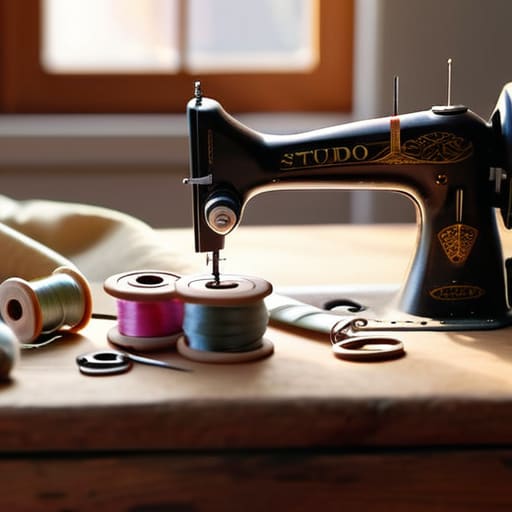
I used to stare at those pristine, color-coordinated sewing kits on Instagram and feel like I’d already failed before even threading a needle. There is this massive, unspoken lie in the crafting world that you need a $500 machine and a studio filled with designer linen just to get started. Honestly? It’s exhausting. Most of the tutorials out there make sewing basics for beginners look like some meditative, flawless art form, but my first attempt at mending a hem involved a tangled bird’s nest of thread and a very frustrated sigh. The truth is, sewing is messy, it’s often frustrating, and it’s definitely not always aesthetic.
I’m not here to sell you on a lifestyle of perfection; I’m here to give you the functional toolkit you actually need. I want to walk you through the gritty, tested methods that will help you fix a torn seam or upcycle a thrifted find without the unnecessary fluff. We’re going to skip the gatekeeping and focus on the real-world skills that actually save you money. Consider this your permission slip to make mistakes, use the cheap thread, and finally learn how to actually make things work.
Table of Contents
The Only Essential Sewing Machine Tools You Actually Need
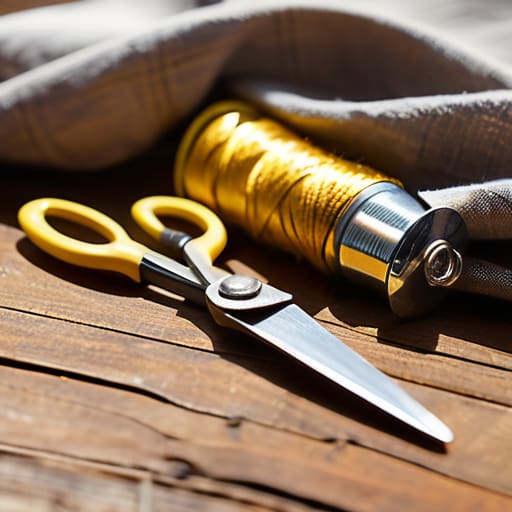
Look, when you first walk into a craft store, it feels like you need to buy the entire aisle just to make a simple pillowcase. I promise you don’t. You can easily get overwhelmed by the specialized presser feet and fancy rotary cutters that look pretty on Instagram but will just sit in your junk drawer. To keep things simple, your beginner sewing kit essentials should really just focus on quality over quantity. You need a decent pair of fabric shears (and please, never use them on paper, or you’ll ruin them instantly), a seam ripper—which will be your new best friend when you inevitably mess up—a handful of glass-head pins, and a reliable measuring tape.
Beyond the handheld stuff, let’s talk about the machine itself. You don’t need a computerized beast with fifty different settings. You just need a workhorse that handles the basics. Make sure you have a good variety of universal needles and some all-purpose polyester thread. If you’re feeling brave, grab a few different weights of thread depending on your project, but honestly, starting with a solid, standard spool is plenty. Once you master how to thread a sewing machine and get your tension right, you’ll realize that most of those expensive gadgets are just extras you can live without.
A No Nonsense Sewing Fabric Types Guide for Real Life
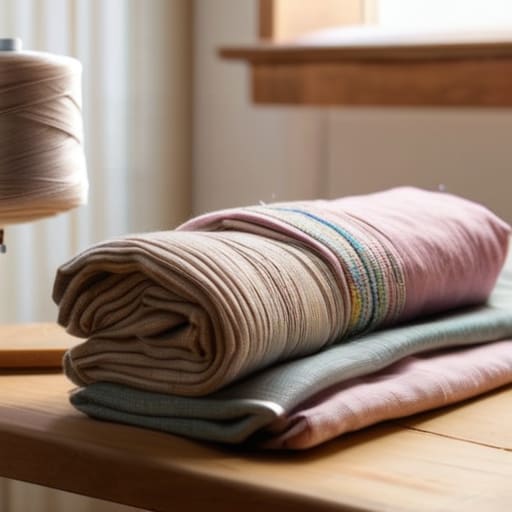
Look, when you walk into a fabric store, the sheer amount of bolts and textures can feel incredibly overwhelming. It’s easy to get swept up in a gorgeous, expensive silk only to realize halfway through your project that it’s a total nightmare to handle. If you want to keep your sanity intact while you’re learning, my best advice is to start with stable, woven fabrics. Think cotton quilter’s weight or a simple linen blend. These materials don’t slide around like crazy while you’re trying to figure out how to thread a sewing machine or manage your tension, making them the perfect foundation for your first few wins.
On the flip side, stay away from anything stretchy—like jersey or spandex—until you’ve mastered a few more advanced techniques. Trying to sew a stretchy knit when you’re still practicing basic sewing stitches for beginners is a recipe for frustration and a lot of wasted material. You’ll end up fighting the fabric the entire time, which is exactly how you lose motivation. Stick to the “unforgiving” fabrics that stay where you put them; once you have that confidence, then we can talk about the fun, floppy stuff.
Five Ways to Stop Overthinking and Actually Start Sewing
- Forget the fancy professional kits. Seriously, don’t go out and buy that massive, 200-piece sewing kit that promises to do everything. You really just need a decent pair of fabric shears (and a strict rule that you never, ever use them on paper), some decent pins, and a seam ripper—which, trust me, you will use more than you think.
- Don’t let “perfect” be the enemy of “done.” Your first few seams are going to look a little wobbly, and your tension might be all over the place. That’s fine. I spent my first month sewing straight lines on scrap fabric just to get the hang of it. The goal isn’t a runway piece; it’s just getting the thread through the needle.
- Ironing isn’t just for your work clothes; it’s a secret weapon in sewing. If you want your projects to actually look like clothes and not a crumpled mess, you have to press your seams as you go. It’s a bit of a pain in the moment, but it makes a massive difference in how professional the final result feels.
- Start with “forgiving” fabrics. I know, everyone wants to jump straight into silk or delicate lace because it looks beautiful, but please don’t. Start with a sturdy cotton—something like a quilting cotton or a simple linen blend. They don’t slide around under the needle, which means you won’t end up in a frustrated meltdown halfway through a seam.
- Embrace the seam ripper as your best friend, not a sign of failure. Every time I reach for my seam ripper, I try to remind myself that I’m not “bad at sewing,” I’m just “recalculating.” It’s part of the process. Even the pros spend half their time unpicking things they just did.
Two Things to Remember Before You Start
Don’t let the “perfect” setup intimidate you; you don’t need a professional studio or a massive collection of specialized gadgets to make something that works.
Focus on understanding how your specific fabric behaves rather than memorizing every single stitch type in a textbook.
Embrace the mistakes, because a slightly crooked seam is a lot better than a pile of expensive, unused supplies sitting in your closet.
Forget the Pinterest Perfection
Stop waiting until you have the fancy studio and the professional-grade kit to start; just grab a cheap machine, some old cotton scraps, and give yourself permission to make some really ugly seams, because that’s actually where the real learning happens.
Maya Sterling
Just Start (Even if it's Messy)
Look, if you’ve been staring at that sewing machine in the corner of your room feeling like you need a degree in textile engineering just to make a pillowcase, please stop. We’ve covered the essentials: you don’t need a room full of expensive gadgets, just a few reliable tools, and you definitely don’t need a closet full of silk or cashmere to practice. Stick to the functional basics we talked about—the right machine, the right shears, and the right fabric for the job. Once you strip away all the marketing fluff and the pressure to buy every specialized attachment on the market, you’ll realize that sewing is really just about solving one small problem at a time.
My biggest piece of advice? Give yourself permission to make some truly terrible seams. Your first project might look a little wonky, and your thread might birdnest more often than you’d like, but that is actually part of the process. I’ve spent more time unpicking mistakes than I have sewing straight lines, and honestly, that’s where the real learning happens. Don’t wait until you feel “ready” or “expert” to begin. Just grab some scrap fabric, sit down, and embrace the imperfection. You aren’t trying to win a fashion competition; you’re just learning a skill that makes your life a little bit more self-sufficient, and that is more than enough.
Frequently Asked Questions
I’m on a tight budget—should I really buy a new machine, or is there a way to make a cheap one actually work?
Honestly? Please don’t drop a month’s rent on a shiny new machine just yet. If you’re on a budget, hit up Facebook Marketplace or a local thrift store. A vintage metal-body machine might look clunky, but they’re often sturdier than the cheap plastic ones at big-box stores. Just give it a deep clean and a little oil. A well-maintained “old” machine will outlast a brand-new budget model any day.
How do I know if I'm actually doing it right, or if I'm just making a mess of my fabric?
Look, if you’re staring at a pile of tangled thread and wondering if you’ve officially failed, take a breath. You haven’t. The real test isn’t a flawless seam; it’s whether the fabric actually stays together when you pull it. If your stitches are puckering or looping, your tension is likely off. Don’t scrap the whole project yet—just grab a scrap piece of that same fabric and practice until the machine stops fighting you.
Is it worth learning how to sew by hand, or should I just focus on mastering the machine first?
Honestly? Don’t get caught up in the “which one is better” debate. If you want to actually finish projects without getting frustrated, focus on the machine first—it’s your heavy lifter for most real-life repairs and builds. But, don’t ignore hand sewing entirely. Knowing a basic running stitch or how to sew on a button is a total lifesaver when you’re out and about. Think of the machine as your engine and hand sewing as your toolkit.