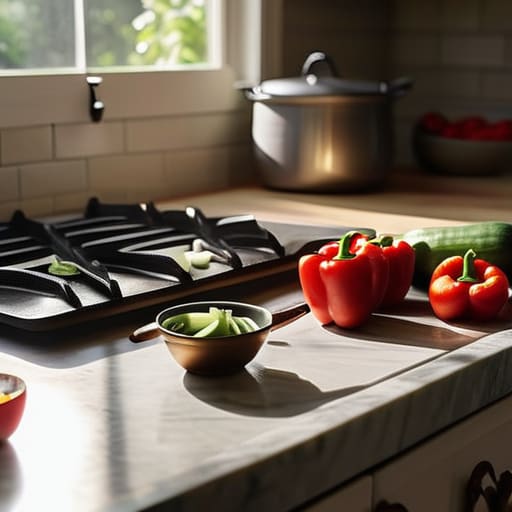
I am so tired of seeing those “organized” kitchen tours on social media where every single spice jar is color-coded, perfectly labeled, and costs more than my monthly grocery budget. Let’s be real: unless you’re a professional chef with a dedicated sous-chef to clean up after you, those setups are a total nightmare to actually live in. Most of those viral kitchen tips and tricks are just aesthetic fluff designed to look good in a ten-second video, but they fall apart the second you actually try to cook a Tuesday night dinner. I don’t want a pantry that looks like a museum; I want a kitchen that actually works when I’m rushing to finish a project and just need to find the garlic powder without a mental breakdown.
I’m not here to sell you on expensive acrylic bins or fancy gadgets you’ll use once and then lose in a junk drawer. Instead, I’m sharing the messy, tested methods I’ve picked up from my chef mom and my own years of trial and error in a tiny apartment. We’re going to focus on functional systems that save you time and money, focusing on what actually makes cooking easier rather than what looks pretty on a screen.
Table of Contents
Stop Wasting Money With Smarter Food Storage Solutions
Stop Wasting Money with Smarter Food Storage Solutions
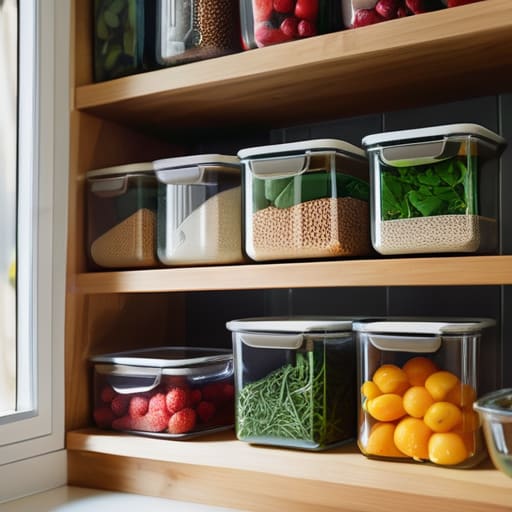
Look, we’ve all been there: you buy a beautiful bag of organic spinach with the best intentions, only to find a bag of green slime in the crisper drawer a week later. It’s not just gross; it’s literally throwing cash into the trash. I used to let my produce die a slow death because I didn’t have a system, but I’ve learned that investing in decent food storage solutions is actually a way to save money, not spend it. Instead of relying on those flimsy plastic bags that trap moisture, try grabbing some glass containers or even just repurposing old jars.
The real secret to meal prep efficiency isn’t about spending your entire Sunday in a frenzy; it’s about seeing what you actually have. I started using clear bins in my fridge so I can see my ingredients at a glance. When you can actually see that half-onion sitting in the back, you’re much more likely to use it before it turns. It’s not about having a perfectly color-coordinated fridge like you see on Instagram—it’s about making sure you don’t buy a second onion just because you couldn’t find the first one.
Meal Prep Efficiency Without the Sunday Night Meltdown
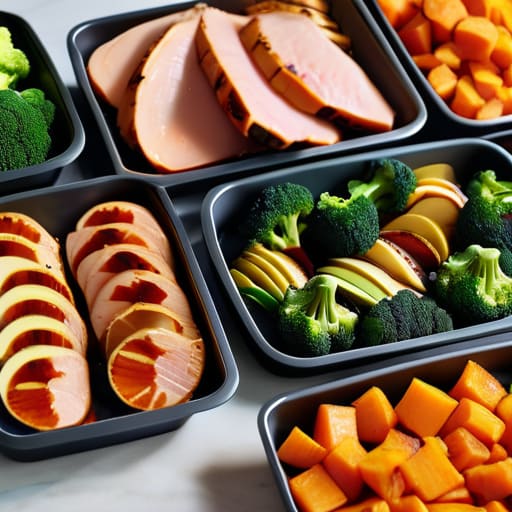
Look, I used to think meal prepping meant spending my entire Sunday afternoon standing over a steaming pot of quinoa, feeling like a contestant on a cooking show. It was exhausting, and by Monday night, I was usually too tired to even follow my own plan. I’ve since learned that true meal prep efficiency isn’t about being a culinary wizard; it’s about working smarter so you don’t lose your sanity. Instead of cooking full meals, I focus on “component prepping.” I’ll roast a massive tray of veggies, boil a pot of grains, and prep a single protein. That way, I’m not stuck eating the exact same lukewarm bowl of leftovers for five days straight.
The real secret to avoiding that Sunday night meltdown is embracing low-effort wins. If you can’t handle chopping an entire onion, don’t. Buy the pre-minced garlic or the frozen veggie blends. It’s not “cheating”—it’s a strategic use of your time. I also swear by batch-cooking sauces; having a good pesto or a spicy tahini dressing in the fridge can turn a pile of random ingredients into a real meal in under five minutes.
Small Tweaks to Stop the Kitchen Chaos
- Stop buying those expensive, matching glass containers that look great in photos but never actually fit your leftovers. Honestly, just grab a set of decent, stackable BPA-free plastic bins; they’re cheaper, they don’t shatter when you drop them, and they actually fit into the weird corners of my fridge.
- Forget the “one knife for everything” myth. You don’t need a 20-piece block taking up counter space, but please, for the love of sanity, get one decent chef’s knife and a small paring knife. If you’re struggling through a recipe with a dull blade, you’re just making more work for yourself and risking a cut.
- I used to think I needed a massive spice rack, but most of us only use about five things regularly. Instead of cluttering your counters, keep the basics—salt, pepper, garlic powder, red pepper flakes—in a small, reachable bin right by the stove so you aren’t hunting through a dark cabinet mid-sauté.
- Stop treating your cutting boards like decorative art. If you have one giant, heavy board, use it. If you have small ones, keep them grouped together. I’ve learned that having one stable, heavy surface makes prep way faster and prevents that annoying sliding-around-the-counter dance.
- Don’t let the “cleaning as you go” rule intimidate you—it’s not about being a perfectionist, it’s about not hating your life at 9:00 PM. While the pasta is boiling or the meat is browning, just toss the prep bowls in the dishwasher or wipe the counter. It’s much easier to deal with three bowls than a mountain of crusty dishes.
The "Real Life" Kitchen Cheat Sheet
Ditch the fancy gadgets and focus on the basics—a sharp knife and a solid container system will do way more for your sanity than a $200 garlic press you’ll use once.
Stop trying to prep five-course meals on a Sunday; just chop your onions and wash your greens ahead of time so the actual cooking feels less like a chore on Tuesday night.
Accept that your kitchen will never look like a magazine spread, and that’s okay—as long as you know where the salt is and your leftovers aren’t turning into science experiments, you’re winning.
My Kitchen Philosophy
“Stop trying to build a kitchen that looks like a showroom and start building one that actually works for you; I’d much rather have a cluttered counter that helps me cook a quick meal than a pristine one that makes me feel like I can’t touch anything.”
Maya Sterling
Cutting Through the Kitchen Chaos
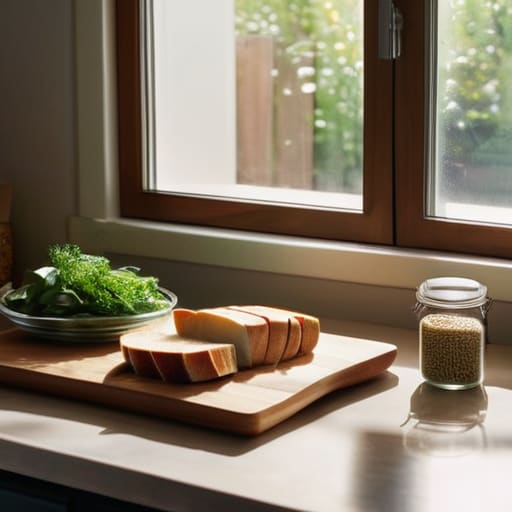
At the end of the day, we’ve covered a lot of ground—from ditching the expensive, useless gadgets for smarter food storage to finding a meal prep rhythm that doesn’t leave you feeling like a zombie by Monday morning. The goal isn’t to turn your kitchen into a showroom; it’s about making sure you aren’t fighting your own space just to make a basic sandwich. If you can master the art of organized bins and a few realistic prep habits, you’re already ahead of the curve. It’s about those small, functional tweaks that stop the bleeding of your grocery budget and, more importantly, give you your time back.
Please, give yourself some grace if your counters aren’t clear or your spices aren’t color-coded by some impossible standard. I’ve spent plenty of nights staring at a messy kitchen feeling like I was failing at “adulting,” but I’ve realized that a functional kitchen is a living, breathing thing. It’s okay if it’s a little chaotic sometimes. Focus on the systems that actually work for your specific life and your specific budget. Once you stop chasing that performative perfection, you’ll actually start enjoying the process of cooking again. You’ve got this.
Frequently Asked Questions
How do I actually organize my spices without spending a fortune on those matching glass jars that look nice but are a pain to clean?
Honestly, skip the matching glass jar trap. They look great on Instagram, but cleaning them is a nightmare and they’re a total money pit. I just use small, uniform plastic containers or even repurpose old, cleaned-out jars from my pantry staples. The real trick? Get a tiered spice riser or a simple lazy Susan. If I can see the labels without digging through a dark cabinet, I’ve won. Function over aesthetics, every single time.
Is it actually worth the time to prep everything on Sunday, or am I just setting myself up for more dishes during the week?
Honestly? If you’re trying to prep full, plated meals for every single day, you’re probably setting yourself up for a dish-washing nightmare. That’s not efficiency; that’s a second job. I’ve learned it’s much better to prep components—chop the onions, roast a big tray of veggies, or cook a batch of grains. You get the time-saving wins without the “I spent my entire Sunday cleaning Tupperware” burnout. Keep it modular, not monumental.
What are some cheap ways to keep my herbs fresh longer so I'm not constantly throwing away half-dead basil?
Honestly, the “bouquet method” is a total game-changer. Instead of tossing them in the crisper drawer to die, treat your basil like flowers. Trim the stems, put them in a small jar with an inch of water, and leave them on the counter. For hardier herbs like rosemary or thyme, do the same but tuck them in a baggie in the fridge. It feels a little extra, but it saves me so much money.