
It was 11:00 PM, and I was finally settling into bed after a long day of freelance client calls, when that piercing, high-pitched screech echoed through my apartment. Every time my cat brushed against the bedroom door, it sounded like a banshee was being summoned. I stared at the ceiling, wondering if I really needed to go out and buy some expensive, specialized industrial lubricant just to get a decent night’s sleep. But here’s the thing: you don’t need a professional toolkit or a trip to the hardware store to figure out how to fix a squeaky door. Most of the time, the solution is already sitting in your kitchen or tucked away in that messy junk drawer you refuse to organize.
In this guide, I’m skipping the complicated DIY jargon and the “aesthetic” home repair tutorials that require tools you’ve never heard of. Instead, I’m going to show you exactly how to silence those annoying hinges using stuff you actually own. We’ll walk through a few quick, tested methods that work, from kitchen staples to basic household items, so you can stop the noise without wasting a single cent.
Table of Contents
- Step-by-Step Instructions
- Stop the Noise Using Household Items to Stop Door Squeaks
- Why Wd 40 for Squeaky Doors Isnt Always the Best Fix
- My Little Cheat Sheet for Keeping Things Quiet
- The Bottom Line on Silent Doors
- ## A Quick Reality Check
- Final Thoughts on Finding Your Quiet
- Frequently Asked Questions
Guide Overview
Tools & Supplies
- Screwdriver [To tighten loose hinge screws]
- Microfiber cloth [To wipe away excess lubricant]
- Lubricant [1 can of silicone spray or WD-40]
- Petroleum jelly [1 small container for long-term lubrication]
Step-by-Step Instructions
- 1. First, grab a screwdriver and pull the hinge pins out. I know, it sounds a bit intimidating if you aren’t “handy,” but it’s actually pretty simple. Just tap the bottom of the pin upward with a hammer (or even the handle of a heavy screwdriver) until it pops out. I usually keep a small hammer in my junk drawer for exactly this reason.
- 2. Once you have the pins out, take them over to the sink and give them a good scrub. Over time, they collect a gross mix of dust and old metal shavings that cause that friction. Use some dish soap and an old toothbrush to get them looking clean again.
- 3. Now, look at the inside of the hinge itself. If you see any visible gunk or buildup, wipe it away with a paper towel. You want a clean surface so that whatever lubricant you use can actually do its job instead of just mixing with old dirt.
- 4. This is where you choose your “weapon.” If you have a can of WD-40 or a silicone spray sitting in the garage, go for it. But if you’re like me and don’t want to run to the hardware store, just grab some cooking oil or even Vaseline from the kitchen. A little bit goes a long way, so don’t go overboard—you don’t want a greasy mess dripping down your door.
- 5. Apply your lubricant to the pin. I find it easiest to coat the entire length of the pin so there aren’t any dry spots left. If you’re using an oil, try to drip it slowly so it doesn’t run down your hands or onto the floor.
- 6. Slide the pin back into the hinge and tap it down with your hammer until it’s seated properly. Give the door a few experimental swings to see if the noise is gone. If it still sounds a bit “crunchy,” you might just need to apply a little more lubricant and try one more time.
- 7. Finally, take a clean paper towel and wipe away any excess oil that might have seeped out around the edges. This prevents the oil from attracting dust later on, which would just bring the squeak right back to your doorstep.
Stop the Noise Using Household Items to Stop Door Squeaks
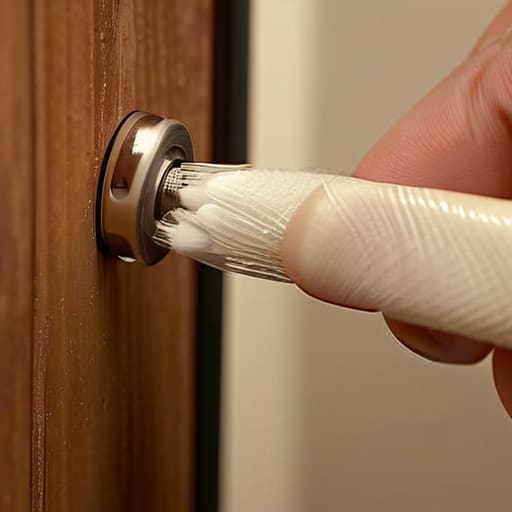
If you aren’t ready to run to the hardware store, don’t sweat it. I’ve learned through a few dozen annoying midnight door creaks that you can usually find what you need right in your pantry or bathroom. For a quick fix, a tiny bit of cooking oil or even some petroleum jelly from your medicine cabinet works wonders. Just grab a Q-tip to apply it precisely so you aren’t making a greasy mess on your floor. It’s one of those simple household items to stop door squeaks that actually gets the job done when you’re in a pinch.
If the noise is particularly stubborn, you might need to step it up a notch. While a lot of people reach for WD-40 for squeaky doors, I usually suggest a silicone spray lubricant if you can grab one; it tends to last a bit longer without attracting as much dust. If you do go the spray route, just remember to wipe away any excess immediately. It’s all about preventative maintenance rather than waiting until the sound is driving you absolutely crazy.
Why Wd 40 for Squeaky Doors Isnt Always the Best Fix
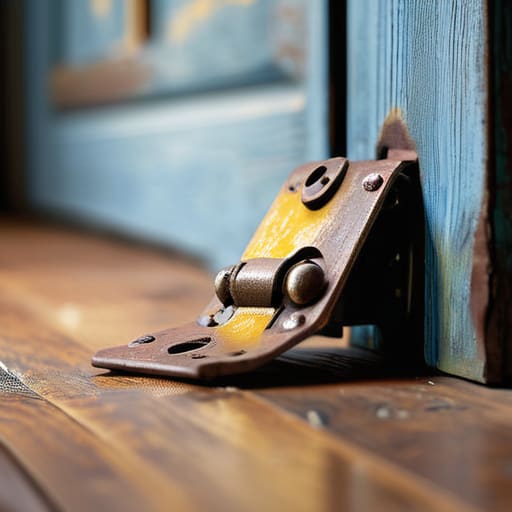
Look, I know the first thing most of us do when we hear that piercing screech is reach for the blue and yellow can. And while WD-40 for squeaky doors works in a pinch to stop the noise immediately, it’s not actually a long-term lubricant. It’s more of a solvent that helps clean things out, which means it can actually evaporate and leave your hinges even drier and louder a few weeks down the line. I learned this the hard way when my bedroom door started sounding like a haunted house just a month after I “fixed” it.
If you want to do this right and actually save yourself a headache later, I highly recommend switching to a silicone spray lubricant or even a lithium grease. These are designed to actually stay on the metal and provide a lasting barrier against friction. If you’re dealing with something older or more stubborn, you might even need to try removing door pin rust entirely before applying the new lube. It’s a bit more effort upfront, but it’s the difference between a quick fix and true, lasting door hinge maintenance.
My Little Cheat Sheet for Keeping Things Quiet
- Don’t just spray and pray; if you can, pull the hinge pin out halfway so the lubricant actually gets into the mechanism instead of just coating the outside.
- Keep a small tin of petroleum jelly in your junk drawer—it’s way less messy than liquid sprays and stays put longer, so you won’t be doing this again next week.
- If you’re using oil, less is definitely more; you only need a tiny drop to stop the noise, otherwise, you’ll end up with those annoying dark drips running down your door.
- Check for loose screws while you’re at it; sometimes that “squeak” is actually just the door shifting because a screw has wiggled loose over time.
- If you’re working on a door that’s particularly heavy or finicky, have a friend hold the door steady for you so you aren’t wrestling with the weight while trying to be precise.
The Bottom Line on Silent Doors
Skip the expensive, specialized lubricant kits; most of the time, a little bit of something you already have in your kitchen or junk drawer is more than enough to do the job.
Don’t rely on WD-40 as a permanent fix if you can help it—it’s great for loosening things up, but it can actually dry out your hinges over time, so reach for a real grease or oil for the long haul.
Small, quick maintenance wins like this are what keep a home feeling calm, so don’t let a tiny, annoying squeak stress you out—just grab your multi-tool and tackle it.
## A Quick Reality Check
“We often think we need to run to the hardware store for a specialized fix, but most of the time, the solution to that annoying squeak is already sitting in your kitchen or your junk drawer. Don’t let a little friction make you feel like you can’t handle your own home.”
Maya Sterling
Final Thoughts on Finding Your Quiet

At the end of the day, fixing that annoying squeak doesn’t require a trip to the hardware store or a specialized toolkit. Whether you decided to go the route of a heavy-duty lubricant or just grabbed a bit of cooking oil from the pantry to get through the night, the goal was simply to stop the irritation. Remember, while WD-40 is a classic for a reason, it isn’t always the long-term solution for every hinge. By choosing the right tool for the job—even if that tool is just something you already had in your junk drawer—you’ve successfully tackled a small but persistent annoyance without breaking your budget.
I know it sounds silly to spend time on something as small as a door hinge, but these are the tiny, functional wins that make a home feel like a sanctuary rather than a source of stress. My philosophy has always been that you don’t need a perfectly curated, magazine-ready house to feel at peace; you just need a space that actually works for you. So, take that little win, enjoy the newfound silence every time you walk through a room, and remember that you are more than capable of maintaining your own space, one small fix at a time.
Frequently Asked Questions
What if I don't have any tools or oil on hand right now?
Honestly, I’ve been there—it’s 11 PM, the door is screaming, and your junk drawer is empty. If you’re truly stuck without oil or a spray, head to the bathroom. A little bit of bar soap rubbed directly onto the hinge pins can act as a temporary dry lubricant. It’s not a permanent fix, but it’ll stop the noise long enough so you can actually get some sleep.
Is it normal for the squeak to come back a few weeks after I've lubricated it?
Ugh, I’ve been there. It’s incredibly frustrating when you think you’ve finally solved the problem, only to hear that annoying creak again two weeks later. To answer your question: yes, it’s actually pretty normal. If you used something thin like cooking oil or a cheap spray, it likely evaporated or collected dust, which actually creates more friction. It usually means you need a thicker, long-lasting lubricant—like lithium grease—to really settle into the hinge.
How can I tell if the problem is actually the hinges or if the door itself is just rubbing against the frame?
This is a great question because I’ve definitely wasted time lubing hinges only to realize the door was just sagging. Here’s the trick: close the door slowly and look at the gap between the door and the frame. If the gap stays even, it’s likely the hinges. But if you see the door physically scraping or pinching against the wood, it’s a clearance issue. Check for scuff marks on the frame—that’s your smoking gun.