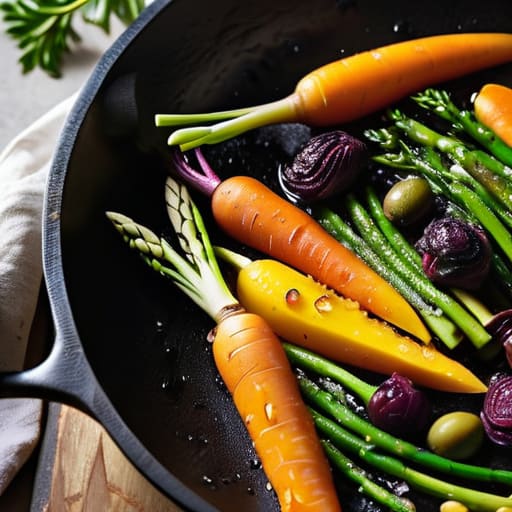
I used to think that if I wasn’t steaming my broccoli until it was a sad, grey mush or following some twelve-step recipe involving truffle oil and microgreens, I was doing it wrong. I spent way too many nights staring at a pile of wilted spinach in my fridge, feeling like a total failure because I couldn’t make it look like a Pinterest board. But honestly? Most of the “expert” advice on how to cook vegetables is just unnecessary kitchen theater designed to make you feel like you need more expensive gadgets. I’m tired of the idea that eating your greens has to be a high-maintenance production that costs forty dollars in specialty ingredients.
I’m not here to teach you how to plate a masterpiece for your Instagram followers; I want to show you how to actually eat. My goal is to give you the messy, functional methods I use in my own tiny kitchen to get dinner on the table without the stress. We’re going to talk about real, heat-on-the-stove techniques that prioritize flavor and speed over perfection. By the end of this, you’ll know exactly how to cook vegetables so they actually taste good, using whatever you’ve already got in your pantry.
Table of Contents
- Stop the Nutrient Drain With Smart Healthy Vegetable Preparation Methods
- Steaming vs Roasting Vegetables Choosing the Method That Actually Works
- My non-negotiable rules for making veggies actually taste good
- The bottom line on making veggies work for you
- My philosophy on the kitchen sink
- The Bottom Line
- Frequently Asked Questions
Stop the Nutrient Drain With Smart Healthy Vegetable Preparation Methods
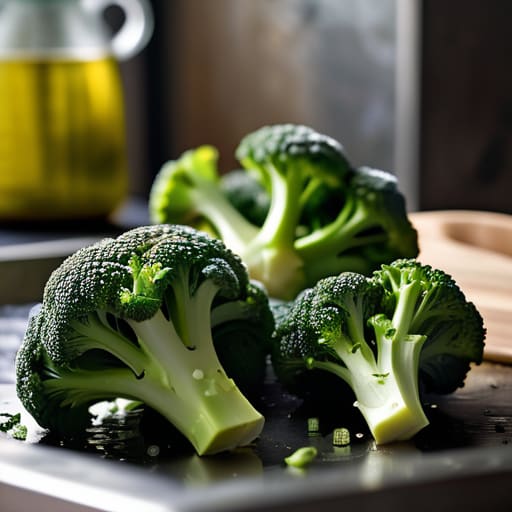
Look, I used to think that if I boiled my broccoli until it was a mushy, neon-green mess, I was doing something “healthy.” In reality, I was just washing all the good stuff down the drain. When we talk about retaining nutrients in vegetables, it’s less about following a strict science textbook and more about not overworking them. If you’re constantly boiling everything into oblivion, you’re losing the vitamins that actually make these foods worth eating in the first place.
I’ve found that the real winner for my busy weeknights is usually the debate of steaming vs roasting vegetables. Steaming is my go-to when I need something fast and light, but if I have an extra twenty minutes, I’ll toss everything in the oven with a bit of olive oil. Roasting caramelizes the natural sugars, which means you don’t need to go overboard with heavy sauces to make them taste good. It’s about using heat to your advantage, not just punishing your food until it’s edible. Just keep an eye on the clock; texture is everything when you’re trying to make healthy eating feel like an actual meal rather than a chore.
Steaming vs Roasting Vegetables Choosing the Method That Actually Works
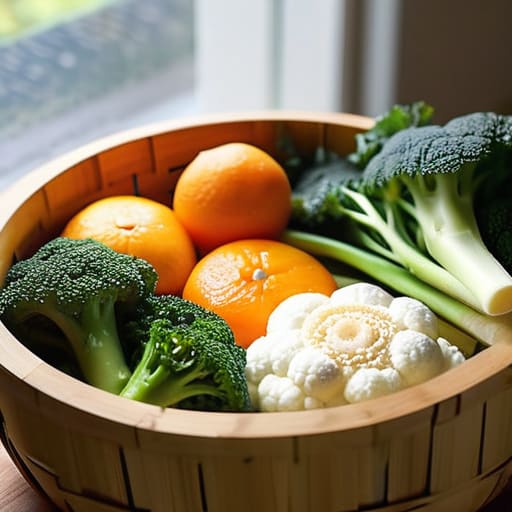
When it comes to the classic debate of steaming vs roasting vegetables, I used to think one was objectively better. But after years of meal prepping and trying to squeeze flavor out of whatever was left in my crisper drawer, I’ve realized it’s less about “right” and more about what you actually have time for. Steaming is my absolute go-to when I’m running on fumes; it’s fast, it’s light, and it’s one of those healthy vegetable preparation methods that doesn’t require me to clean a greasy baking sheet afterward. If you have a basic steamer basket, you’re golden.
On the flip side, if I actually have twenty minutes to spare and want something that feels like a “real” meal, I’m reaching for the oven. Roasting is where the magic happens because that high heat caramelizes the natural sugars, turning a sad, limp carrot into something actually craveable. While steaming is better for retaining nutrients in vegetables like broccoli or leafy greens, roasting is the winner for flavor depth. Just toss them in olive oil, hit them with some salt, and let the oven do the heavy lifting.
My non-negotiable rules for making veggies actually taste good
- Don’t be afraid of salt. Seriously, if you’re eating plain, unseasoned broccoli, you’re going to fail at this. Salt isn’t the enemy; it’s what brings out the flavor so you don’t feel like you’re eating a chore.
- Use the “high heat” rule for texture. If you want that satisfying bite instead of mushy, sad greens, crank up the heat. A quick sear in a hot pan or a high-temp roast does more for your enjoyment than any fancy gadget ever will.
- Stop waiting for the “perfect” time to prep. I used to wait until I was starving to start chopping, and then I’d just give up and order takeout. Chop a few extra carrots or onions when you actually have the energy, and keep them in a container. Future You will be so much more likely to actually cook.
- Acid is your secret weapon. If your roasted veggies taste “flat” even after salting, hit them with a squeeze of lemon or a tiny splash of vinegar right before serving. It wakes everything up without adding extra calories or heavy sauces.
- Embrace the “one-pan” chaos. I don’t have the mental bandwidth for a sink full of dishes every night. Toss your veggies, a protein, and some oil onto a single sheet pan and let the oven do the heavy lifting. It’s not about the presentation; it’s about getting fed with minimal cleanup.
The bottom line on making veggies work for you
Stop stressing over perfect techniques; just pick a method—like steaming for quick nutrients or roasting for flavor—and stick to it so you actually get dinner on the table.
Focus on preserving the good stuff by avoiding overcooking, because mushy, flavorless vegetables are the fastest way to end up ordering takeout instead.
Keep it simple and use what you have; you don’t need fancy kitchen gadgets to cook well, just a basic pan and a little bit of common sense.
My philosophy on the kitchen sink
“At the end of a long workday, I don’t need a culinary masterpiece or a perfectly staged plate; I just need a pile of vegetables that taste good, actually nourish me, and don’t require me to spend an hour cleaning up a mountain of specialized cookware.”
Maya Sterling
The Bottom Line
At the end of the day, cooking vegetables isn’t about mastering some complex culinary technique or making sure every plate looks like it belongs on a lifestyle magazine feed. It’s really just about finding the balance between keeping the nutrients intact and actually making the food taste good enough to eat. Whether you decide to steam your greens to keep things quick and light or toss them in the oven for that roasted, caramelized flavor, the goal is the same: functional nutrition that fits your schedule. Stop worrying about whether you’re doing it “perfectly” and just focus on the methods that actually work for your lifestyle and your pantry.
If you’re feeling overwhelmed by all the different ways to prep and cook, my best advice is to just start small. You don’t need a professional kitchen or a dozen specialized gadgets to get this right; you just need a pan, some heat, and the willingness to experiment. Life is messy enough without turning your dinner prep into a high-stakes performance. Just toss your veggies in a pan, season them with whatever you have on hand, and get it done. You’ll realize pretty quickly that simplicity is your best friend when it comes to eating well and staying sane.
Frequently Asked Questions
I've heard about "shocking" veggies in ice water—is that actually worth the extra step or just more dishes?
Honestly? If you’re just making a quick side dish for dinner, skip it. It’s extra dishes and extra time you probably don’t have. But, if you’re prepping veggies ahead of time for meal prep or want that bright, snappy crunch in a salad, it’s a total game-changer. It stops the cooking process instantly so they don’t turn into mushy, sad-looking leftovers. Use it for color and texture, but don’t feel guilty skipping it for a Tuesday night stir-fry.
How do I stop my roasted vegetables from turning into a mushy, sad mess in the oven?
Look, we’ve all been there: you’re craving crispy Brussels sprouts but end up with a pile of sad, soggy mush. The culprit is usually moisture. First, dry your veggies thoroughly after washing—I mean really dry them with a kitchen towel. Second, don’t crowd the pan. If they’re touching, they’ll steam instead of roast. Give them space to breathe, use high heat, and let them do their thing.
Can I actually use frozen vegetables for these methods, or am I better off sticking to fresh?
Honestly? Please, use the frozen stuff. I’m all about efficiency, and frozen veggies are a total lifesaver when my fridge is looking a little sad. They’re flash-frozen at peak ripeness, so they actually hold their nutrients incredibly well. Just skip the defrosting step—toss them straight into the pan or steamer to avoid that mushy texture. It’s less about the “fresh is best” myth and more about what actually gets you fed.