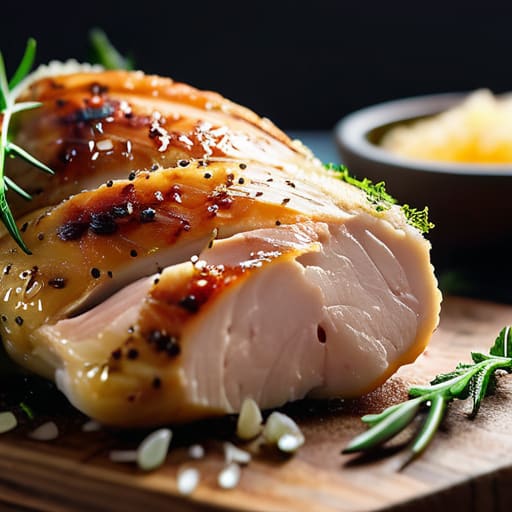
I am so tired of seeing those “perfect” cooking videos where people spend forty minutes marinating a single piece of poultry in exotic oils just to make it look pretty for a thumbnail. If you’re looking for a way to master how to cook chicken breast without turning your kitchen into a high-end laboratory or spending your entire paycheck on specialty spices, please know that I am completely on your side. We don’t need a culinary degree or a pantry full of rare ingredients to avoid that sad, rubbery texture we’ve all experienced at least once.
I’m not here to give you a lecture or a list of impossible-to-find tools; I’m here to share the unfiltered, messy reality of what actually works when you’re busy and just hungry. I’m going to show you my go-to, low-stress methods that prioritize flavor and moisture over aesthetic perfection. By the end of this, you’ll know exactly how to get a juicy, delicious result every single time, because life is way too short to eat mediocre chicken.
Table of Contents
Pan Seared Chicken Breast Method for Busy Weeknights
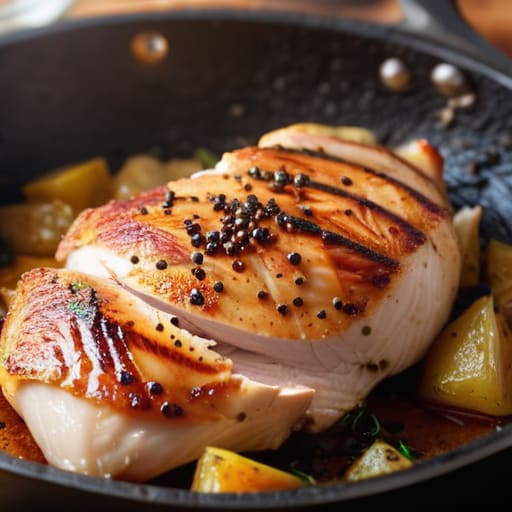
This is my go-to when I’ve had a long day of back-to-back client calls and the last thing I want to do is hover over a stove for forty minutes. The pan-seared chicken breast method is all about efficiency and flavor without the unnecessary cleanup. Start by patting your meat bone-dry with a paper towel—trust me, if it’s wet, it’s going to steam instead of sear, and nobody wants rubbery meat. While you’re at it, don’t overthink your chicken breast seasoning ideas; a heavy hand with kosher salt, cracked black pepper, and maybe some garlic powder is more than enough to get you through the week.
Once your pan is hot with a little oil, lay the chicken in and actually leave it alone for a few minutes to get that golden crust. The biggest mistake I see is flipping it too early. To avoid the dreaded dry texture, I always use a meat thermometer. You’re aiming for an internal temperature for chicken of 165°F, but pull it off the heat at 160°F since it’ll continue to cook while it rests. Letting it sit for five minutes is the secret to preventing dry chicken breast and keeping everything juicy.
Moist Chicken Breast Techniques That Actually Work
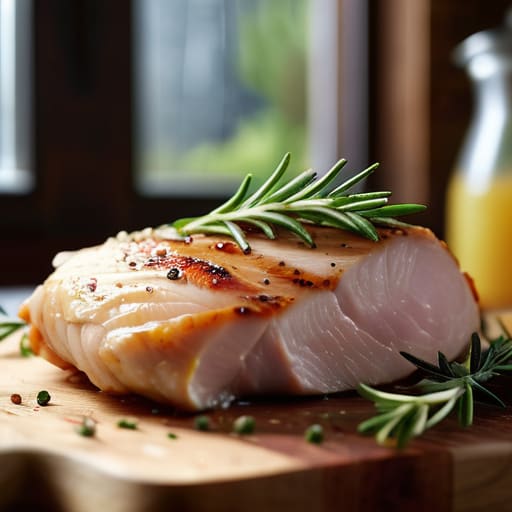
Look, we’ve all been there: you take a bite of what you thought was dinner, only to realize you’re basically chewing on a piece of flavored drywall. It’s frustrating, especially when you’re already tired. If you’re tired of preventing dry chicken breast from becoming a nightly struggle, the first thing I learned is that most people just cook it too long. I used to think “well-done” meant safe, but in reality, it just means sad.
One of my favorite moist chicken breast techniques is the simple salt brine. I don’t do anything fancy with expensive salts; I just toss my chicken in a bowl of water and a generous amount of salt about thirty minutes before I start cooking. It sounds like an extra step, but it’s a total game-changer for texture.
Also, please, for the love of all things delicious, get yourself a cheap digital meat thermometer. Forget guessing by the color of the meat. You want to pull that chicken out of the heat the second it hits the right internal temperature for chicken (which is 165°F, by the way). Let it rest for five minutes before you even think about cutting into it. Trust me, your future self will thank you.
Five things I wish I knew before I started cooking chicken
- Stop obsessing over the “perfect” seasoning. Honestly, if you have salt, pepper, and maybe one random spice jar in the back of your pantry like garlic powder or paprika, you’re already halfway there. Don’t let a lack of a spice rack stop you from making dinner.
- Get a cheap meat thermometer. I know, I know—it feels a bit clinical, but guessing if meat is done by poking it with a fork is a one-way ticket to either dry sawdust or food poisoning. It’s the single best way to stop wasting money on ruined dinners.
- Let it rest. This is the hardest part when you’re hungry, but if you cut into that chicken the second it hits the plate, all the juice just runs out and leaves you with something depressing. Give it five minutes on the cutting board; your future self will thank you.
- Room temperature is your friend. If you pull a chicken breast straight from the fridge and throw it into a hot pan, the outside will burn before the middle even thinks about cooking. Let it sit out for ten or fifteen minutes while you prep your veggies.
- Don’t crowd the pan. If you’re trying to cook four breasts in a tiny skillet, they’re just going to steam in their own juices instead of getting that nice golden crust. Cook in batches if you have to; it’s better to take an extra five minutes than to end up with gray, soggy meat.
The "No-Stress" Chicken Cheat Sheet
Stop overthinking the seasoning; a heavy hand with salt, pepper, and maybe one dried herb is plenty to get you through a Tuesday.
Invest in a cheap digital meat thermometer so you can stop guessing and stop serving yourself dry, rubbery-as-hell meat.
If you’re running low on time, just lean on the pan-sear method—it’s fast, it’s minimal cleanup, and it actually works when you’re exhausted.
My Golden Rule for Chicken
Stop obsessing over the perfect sear or the Instagram-worthy plating; just focus on getting it juicy enough to actually enjoy eating, because a dry piece of chicken is a waste of both your time and your grocery budget.
Maya Sterling
Stop Stressing Over the Stove
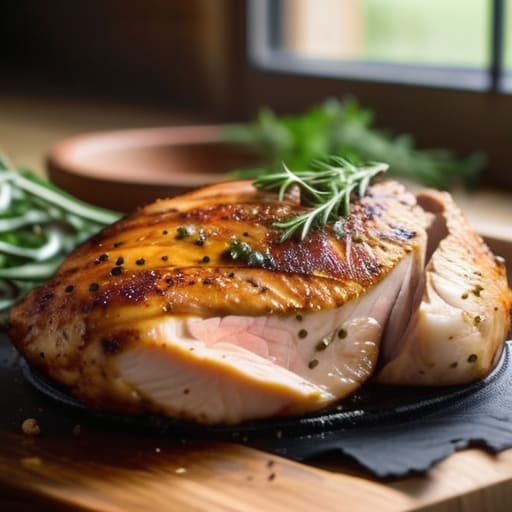
At the end of the day, cooking chicken doesn’t need to be this high-stakes operation. Whether you’re leaning on the quick pan-sear method for those frantic Tuesday nights or taking the extra few minutes to use a brine to keep things from turning into dry sawdust, the goal is the same: getting decent fuel into your body without the massive cleanup or the mental burnout. You don’t need a culinary degree or a kitchen full of expensive gadgets to nail this; you just need to know how to listen to the meat and respect a good hot pan. Just remember that consistency beats perfection every single time, so if you overcook it once, don’t sweat it—just grab some hot sauce and move on.
I know that sometimes even deciding what to make for dinner feels like another overwhelming project on an endless to-do list. But I promise you, once you have these few basic systems down, the “what’s for dinner” panic starts to fade. You’re building a toolkit of skills that makes your life a little bit smoother and your budget a little bit healthier. Don’t worry about making it look like a Pinterest board; just focus on making it actually edible and easy. You’ve got this, and honestly, you deserve a meal that actually tastes good without the unnecessary drama.
Frequently Asked Questions
My chicken always turns out rubbery even when it's cooked through—am I doing something wrong?
Honestly, I’ve been there. I used to think “well-done” meant “safe,” but I was basically just making leather. If your chicken is rubbery, you’re likely overcooking it or using heat that’s way too high for too long. Most of the time, it’s because we’re afraid of pink, so we keep cooking until the moisture is totally gone. Try using a meat thermometer—it’s a game changer. Pull it off the heat at 160°F; carryover cooking will do the rest.
Is it actually worth the extra effort to brine my chicken, or is that just another "aesthetic" cooking trend?
Honestly? It’s not just for show. If you’re working with thin, cheap breasts that tend to turn into dry sponges the second they hit the pan, brining is a total lifesaver. It’s basically an insurance policy against overcooking. But, if you’re already using a reliable method like a heavy pan sear or a marinade, you can probably skip the extra dishes. Don’t feel pressured to do it if you’re short on time.
Can I use frozen chicken breasts straight from the freezer, or am I going to ruin dinner?
Look, I get it—you’re staring at a frozen block of poultry and realizing you forgot to plan ahead. You can cook them straight from the freezer, but let’s be real: it’s a bit of a gamble. They usually end up unevenly cooked—tough on the outside and icy in the middle. If you’re in a rush, use the quick thaw method in a bowl of cool water. It’s not perfect, but it beats a ruined dinner.