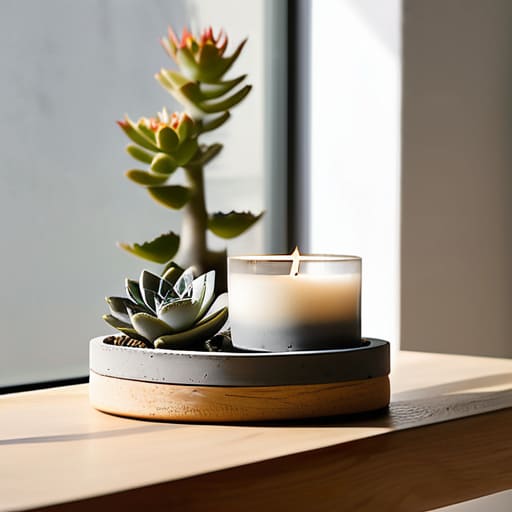
I’ll be the first to admit that my first attempt at a DIY home project was a total disaster. I spent hours scrolling through those perfectly curated, sun-drenched home decor feeds, thinking I needed a professional studio and a massive budget to make something cool. But honestly? Most of those “aesthetic” tutorials are just intimidating and, frankly, a bit exhausting. I realized I didn’t need a showroom-ready apartment; I just wanted a few sturdy, cool-looking things that didn’t cost a fortune. That’s when I fell down the rabbit hole of concrete craft ideas, discovering that this heavy, gray material is actually one of the most forgiving and surprisingly cheap mediums for anyone living in a small space.
In this post, I’m stripping away the fluff and sharing five of my favorite, battle-tested projects that actually serve a purpose in a busy household. We aren’t just making dust-collectors; we’re making things you’ll actually use every single day. From organizers that finally tame my desk clutter to planters that can survive my occasional watering neglect, these are the concrete craft ideas that survived my trial and error. Let’s get into the messy, functional reality of making something great with just a little bit of grit.
Table of Contents
Minimalist Desk Organizers
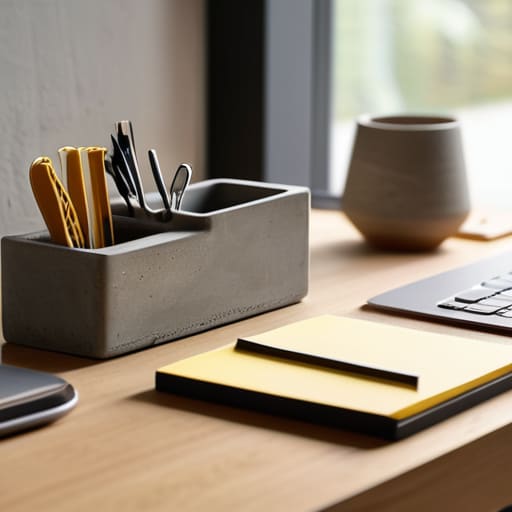
I used to have this chaotic pile of paperclips, charging cables, and sticky notes that just sat on my desk, making me feel scattered before I even started my workday. Instead of buying some expensive, overpriced organizer from a boutique, I decided to pour some quick-set concrete into old yogurt containers. It’s a total game-changer for keeping your workspace functional without spending a fortune.
Low-Maintenance Herb Planters
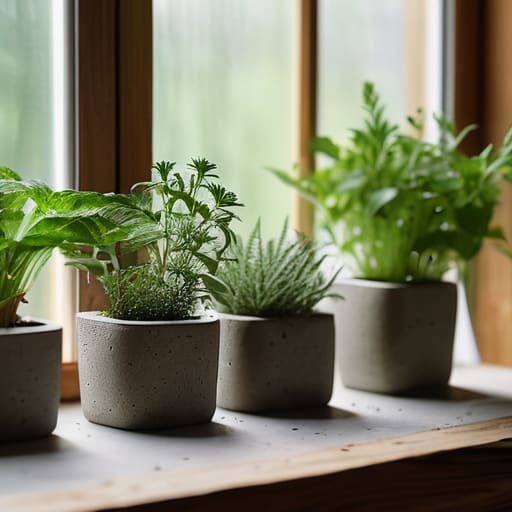
My indoor herb garden is my little slice of sanity, but let’s be real—ceramic pots can be surprisingly pricey when you’re trying to build a collection. I started making my own concrete planters using recycled plastic containers as molds, and honestly, they are sturdier and more durable than almost anything I’ve bought at a big-box store. They have this heavy, grounded quality that I just love.
Brutalist Candle Holders
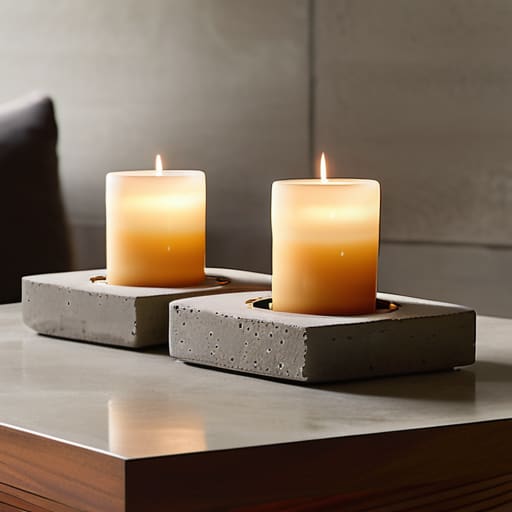
If you’re like me and you love a cozy evening but hate the clutter of too many tiny trinkets, concrete candle holders are the way to go. I like to make simple, geometric shapes that can hold everything from tea lights to larger pillar candles. They add a bit of weight and texture to a coffee table or a bookshelf without feeling like you’re trying too hard to decorate.
Catch-all Trays for the "Everyday Carry"
You know that feeling when you walk through the door and your keys, wallet, and loose change end up in a random heap on the entryway table? I had that problem constantly until I made a simple concrete catch-all tray. It’s a tiny project that takes maybe twenty minutes of actual work, but it stops the daily scavenger hunt for my essentials.
Chunky Coasters for Real Life
I’ve gone through my fair share of cheap cork coasters that just soak up condensation and look gross after a month. Switching to concrete coasters was one of those “why didn’t I do this sooner?” moments. They are heavy enough that they don’t slide around when you’re setting down a heavy mug, and they can handle a bit of a beating.
The Bottom Line
Don’t sweat the imperfections; a little air bubble or a wonky edge just gives your piece character and proves it wasn’t made in a factory.
Focus on utility first—if a concrete project doesn’t actually serve a purpose in your daily routine, it’s just more clutter you don’t need.
Start small and cheap with your materials so you can experiment without the stress of wasting expensive supplies.
The Reality of DIY Concrete
“Don’t get caught up in trying to make every concrete piece look like a museum artifact; the real magic happens when you embrace the tiny imperfections and realize that a slightly uneven planter is still a perfectly functional way to keep your basil alive.”
Maya Sterling
Final Thoughts on Getting Your Hands Dirty
At the end of the day, whether you’re casting a simple succulent planter or trying your hand at a custom desk organizer, the goal isn’t to create a museum-quality masterpiece. We’ve looked at how these concrete projects can add a bit of rugged, much-needed utility to your space without breaking the bank. From the quick wins of small candle holders to the slightly more ambitious task of a concrete tray, the common thread is that these items are built to last. You don’t need a professional studio or a massive budget to make something that actually serves a purpose in your daily routine; you just need a little bit of grit and a willingness to embrace the occasional bubble or imperfection.
If you’re feeling a little intimidated by the idea of working with something as heavy and permanent as cement, my best advice is to just start small. Don’t worry about whether the texture is perfectly smooth or if the color matches your living room rug perfectly. The real magic happens in the process of making something with your own two hands that solves a tiny problem in your home. Life is messy enough as it is, so let your DIY projects be a little messy, too. Once you see that first little plant sitting in a pot you made yourself, you’ll realize that functionality is its own kind of beautiful.
Frequently Asked Questions
Do I really need to buy professional-grade concrete, or can I just use the stuff from the hardware store?
Honestly? Save your money. You definitely don’t need the professional-grade stuff for most home projects. I usually just grab a bag of standard Quikrete from the hardware store—it’s cheap, reliable, and works perfectly for planters or coasters. Unless you’re trying to cast a massive, structural outdoor bench, the stuff in the big bags is more than enough. Just remember to mix it slowly to avoid lumps; your hands (and your budget) will thank you.
How do I stop my concrete projects from cracking or looking all dusty and unfinished?
Honestly, I’ve been there—staring at a cracked planter and feeling like I totally failed. To stop the cracking, the biggest secret is patience; don’t rush the drying process, and try to keep your environment stable. As for that chalky, dusty look? That’s just residual dust or uneven curing. Once it’s fully dry, give it a good sand with fine-grit sandpaper and seal it with a matte concrete sealer. It makes a world of difference.
What’s the best way to clean up the leftover sludge without ruining my kitchen sink or my tools?
Honestly, don’t even think about rinsing that gray sludge down your drain—it’s a one-way ticket to a clogged sink and a massive headache. Instead, scrape the bulk of it into a disposable container or even an old yogurt tub you were going to toss anyway. For your tools, a quick soak in a bucket of warm, soapy water works wonders. Just avoid harsh chemicals; they’ll eat away at your multi-tool’s finish faster than you’d think.