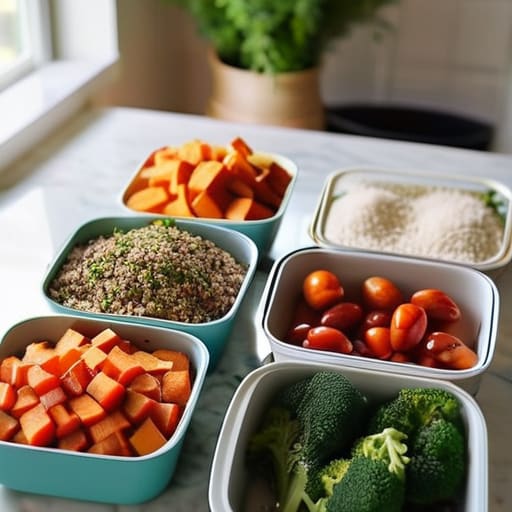
If you’ve ever scrolled through social media and felt a sudden, deep sense of inadequacy because someone’s “meal prep” looks like a perfectly color-coded Tetris game of glass containers and organic microgreens, please stop. Honestly, the way people talk about batch cooking for beginners makes it sound like you need a culinary degree and a pristine, minimalist kitchen to succeed. You don’t need twenty identical Tupperware bins or three hours of uninterrupted silence to make this work; you just need a plan that doesn’t make you want to cry on a Tuesday night.
I’m not here to sell you on a lifestyle aesthetic or a complicated system that requires a massive upfront investment. Instead, I want to share the unfiltered, messy reality of how I actually feed myself during a hectic freelance week. I’m going to show you how to use basic ingredients and simple methods to create food that actually tastes good, without the performative perfection. We’re going to focus on functional systems that save you time and money, proving that you can eat well even when your life feels a little bit chaotic.
Table of Contents
Budget Friendly Bulk Cooking That Actually Works
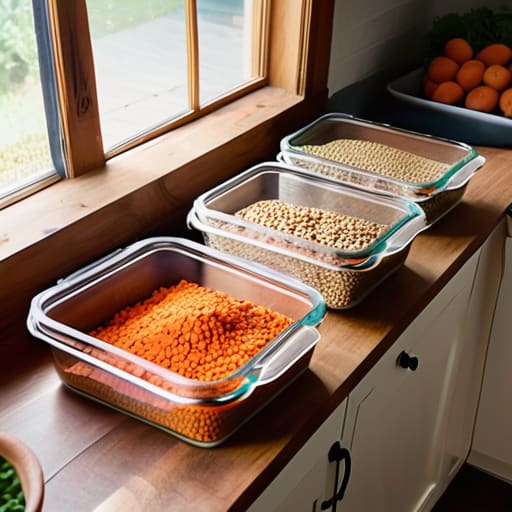
Let’s be real: the biggest barrier to bulk cooking isn’t the cooking itself, it’s the grocery bill. When I first started doing this, I’d go overboard with fancy organic ingredients and suddenly my “savings” disappeared. The secret to budget friendly bulk cooking is leaning heavily into the “pantry staples” rule. I’m talking about massive bags of dried lentils, rice, and oats, or whatever seasonal veggies are on sale that week. Instead of trying to cook five different complex recipes, I pick one base—like a big batch of seasoned quinoa or roasted sweet potatoes—and use it as a foundation for three different meals.
You also don’t need a massive investment in high-end gear to make this work. While everyone loves those aesthetic glass sets, honestly, any decent set of meal prep containers for beginners will do the trick. My advice? Don’t buy the expensive ones until you actually know what you’re making. Start with what you have in your cupboard. Focus on one or two time saving cooking hacks, like chopping all your onions and garlic at once, to keep the process from feeling like a second job.
Smart Weekly Meal Planning Strategies Without the Stress
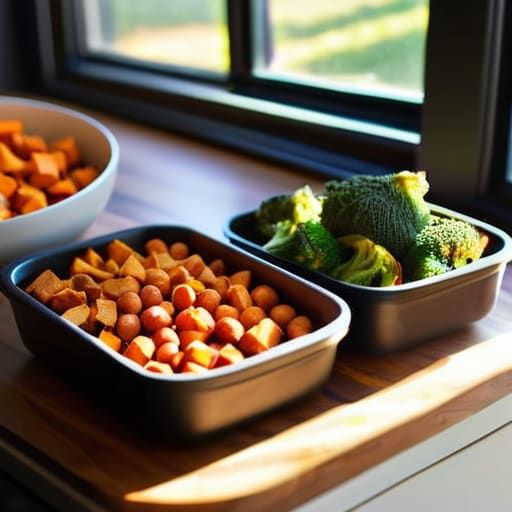
Look, I used to treat my Sunday meal planning like a high-stakes corporate project, complete with color-coded spreadsheets and enough Tupperware to stock a small cafeteria. It was exhausting, and honestly? I usually ended up ordering takeout by Wednesday anyway. The trick isn’t to plan every single calorie; it’s about creating a loose framework. Instead of a rigid menu, I focus on weekly meal planning strategies that revolve around “building blocks.” Think of it as prepping components—a big tray of roasted veggies, a batch of grains, and two different proteins—rather than individual, complicated recipes.
This approach keeps things flexible so you don’t feel like you’re eating the exact same flavor profile five days in a row. If you’re just starting out, don’t feel pressured to buy a massive set of expensive meal prep containers for beginners right away. Just use whatever glass bowls or airtight containers you already have in your cupboard. The goal is to reduce the number of decisions you have to make when you’re tired after work, not to turn your kitchen into a professional test kitchen. Keep it simple, keep it adaptable, and let it be imperfect.
My Low-Stress Rules for Not Losing Your Mind in the Kitchen
- Stop trying to cook five different recipes at once. Pick one big base—like a massive pot of seasoned black beans or a huge tray of roasted sweet potatoes—and use it across three different meals so you aren’t constantly starting from scratch.
- Invest in a few decent, mismatched glass containers rather than a matching set of expensive plastic ones. Honestly, as long as they seal and fit in your fridge, it doesn’t matter if they don’t look like a curated Instagram feed.
- Don’t fear the freezer. If you realize you’ve made way more soup than you can eat this week, portion it out into individual bags immediately. Future-You, who is having a rough Wednesday, will absolutely thank you.
- Keep a “emergency pantry meal” on standby for the days when even your batch-cooked food fails you. Having a box of pasta and a jar of decent sauce means you won’t end up spending $30 on mediocre takeout just because you’re too tired to think.
- Embrace the “component” method over the “pre-portioned” method. Instead of making individual meal prep bowls that get soggy by Thursday, just prep the ingredients separately. It keeps everything fresher and gives you the flexibility to mix and match based on what you’re actually craving.
The Real-World Cheat Sheet
Don’t aim for a week of diverse gourmet meals; just pick two big, versatile bases—like a roasted veggie medley or a huge batch of grains—and swap the proteins to keep things from getting boring.
Invest in actual storage that works, like a few decent glass containers, but don’t stress if your fridge looks a little chaotic; as long as you can see what’s in there, you’re winning.
Always leave yourself an “emergency out” by keeping a few frozen staples or easy pantry meals on hand so you don’t feel like a failure if your plan falls apart on a Wednesday.
The Real Goal of Batch Cooking
“Stop trying to build a library of identical plastic containers filled with color-coded grains; batch cooking isn’t about aesthetic organization, it’s just about making sure you aren’t ordering expensive, mediocre takeout on a Wednesday because you’re too tired to think.”
Maya Sterling
The Reality Check
Look, I know it feels like a lot to juggle right now—between the grocery lists, the massive pots of chili, and the mountain of Tupperware waiting in the sink. But remember, the goal isn’t to turn your kitchen into a professional test kitchen; it’s just about reducing the friction of your daily life. Whether you’re sticking to a strict budget by buying in bulk or just trying to avoid that 6:00 PM “what am I even eating?” panic, you’re already winning. You don’t need a color-coded pantry or expensive glass containers to make this work. You just need a few solid meals that keep you fed and a system that actually fits your real, messy schedule.
If you mess up and end up ordering takeout three nights in a row, please don’t throw the whole concept out the window. That’s just life happening. Batch cooking isn’t a pass/fail test; it’s just a tool in your kit to help you reclaim a little bit of your time and mental energy. Start small, maybe with just one big batch of something easy, and see how it feels. You don’t have to have it all figured out to start making things easier for yourself. Just grab your multi-tool, get in the kitchen, and do what works for you.
Frequently Asked Questions
How do I keep my food from tasting like "leftovers" by Thursday?
The “leftover” funk usually happens because we’re eating the exact same flavor profile four days in a row. My trick? Component cooking. Instead of making a massive batch of pre-mixed lasagna, roast a huge tray of seasoned chicken, a pile of sweet potatoes, and some broccoli. By Thursday, you can toss the chicken into a quick taco bowl with lime, or stir the veggies into a pesto pasta. It’s the same ingredients, just a totally different vibe.
Do I actually need to buy all those expensive glass containers, or can I just use what I already have in my cupboard?
Honestly? Please, do not go out and drop a hundred bucks on matching glass containers. I’ve been there—the siren call of the aesthetic, organized fridge is real—but it’s a total money pit. Just use what you have. Old Tupperware, even some basic deli containers or even just glass jars from your pasta sauce, works perfectly fine. If it holds the food and seals decently, it’s doing its job. Focus on the food, not the packaging.
What's the best way to freeze things without them turning into a weird, mushy mess when I thaw them out?
The biggest mistake I see is just tossing things into random bags. If you want to avoid that sad, mushy texture, you have to master the “air squeeze.” Use freezer bags and squeeze every bit of oxygen out before sealing; air is what causes freezer burn. Also, for veggies, try blanching them in boiling water for a minute first. It sounds like an extra step, but it stops the enzymes from turning your broccoli into slime.