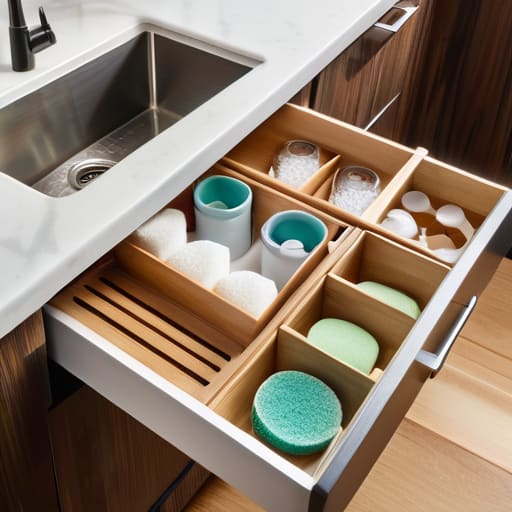
I was halfway through scrubbing a dried lemon slice off my kitchen floor last Tuesday when I realized I had no idea where the actual glass cleaner was. Instead, I was staring at a graveyard of half-empty spray bottles, a tangled web of sponges, and a rogue bottle of dish soap that had somehow migrated to the very back of the cabinet. If you’ve ever felt that specific flash of rage when you’re trying to clean up a mess but can’t find the tools to do it, you aren’t alone. Most “expert” guides on how to organize under the sink tell you that you need a $50 custom acrylic tiered system to find peace, but honestly? That’s just expensive clutter waiting to happen.
I’m not here to sell you on a lifestyle that requires a Pinterest budget and a professional organizer on speed dial. My goal is to show you how to build a system that actually works for your real, messy life using stuff you probably already have in your recycling bin or junk drawer. I’m going to walk you through my tested, zero-fluff methods for categorizing your supplies and maximizing that awkward, cramped space so you can stop digging and start actually living.
Table of Contents
- Stop Overbuying and Start Using Kitchen Cabinet Decluttering Tips
- Maximizing Small Cabinet Space Without the Aesthetic Tax
- Five Low-Cost Hacks to Actually Reclaim Your Sink Space
- The "No-Fluff" Summary for a Functional Sink
- The Real Secret to a Functional Sink
- Making It Stick
- Frequently Asked Questions
Stop Overbuying and Start Using Kitchen Cabinet Decluttering Tips
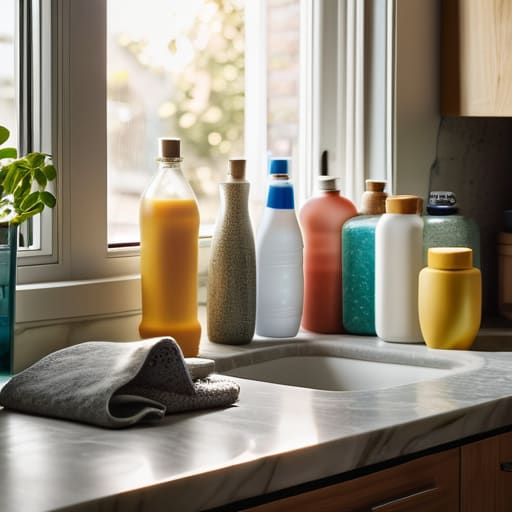
Before you head to the store to browse those “must-have” home organization aisles, I need you to take a breath and step away from the shopping cart. We’ve all been there—scrolling through social media, seeing those perfectly curated, color-coded pantries, and thinking we need a complete overhaul to feel in control. But honestly? Most of those expensive, specialized containers are just extra clutter in disguise. Instead of hunting for the perfect under sink pull out organizers that might not even fit your specific plumbing, start by just emptying everything onto your counter. You can’t organize a mess you haven’t actually faced yet.
The real secret to maximizing small cabinet space isn’t about buying more stuff; it’s about ruthless editing. Grab a trash bag and be honest: do you really need three half-empty bottles of window cleaner and that sponge that’s been disintegrating for a month? Once you’ve tossed the expired junk, look at what’s left. Group your essentials by how you actually use them. If you’re working with a tight area, even a simple stack of sturdy bins you already own can act as effective cleaning supply storage solutions without costing you a dime.
Maximizing Small Cabinet Space Without the Aesthetic Tax
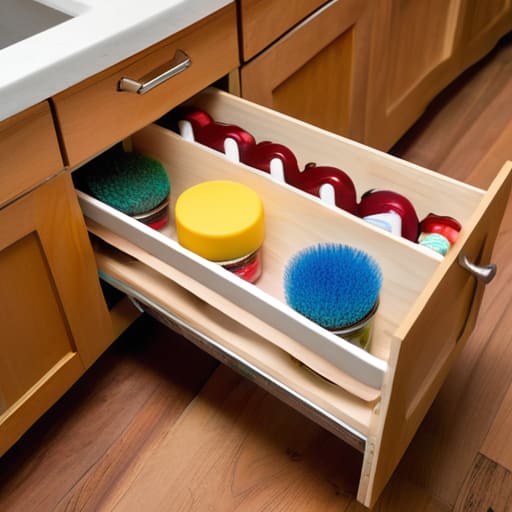
Here’s the thing: you don’t need a $50 custom-built drawer system to make this work. I’ve spent way too much money in the past on those trendy, clear acrylic bins that look great in photos but end up sliding around every time you open the door. Instead, I focus on maximizing small cabinet space by thinking vertically. If you have a tall gap between your cleaning bottles and the shelf above, don’t just let that air go to waste. Grab a cheap tension rod or even a small, stackable spice rack to create a “second floor” for your sponges or scrub brushes.
When it comes to the actual mess, I’m a huge advocate for waterproof cabinet liners. Let’s be real: leaks happen, and a spilled bottle of dish soap shouldn’t turn your wood cabinet into a ruined disaster. If you’re looking at your bathroom vanity, the same rules apply. Use small baskets to group your daily essentials so you aren’t fishing around for a stray hair tie at 7:00 AM. It’s about creating zones, not buying more stuff.
Five Low-Cost Hacks to Actually Reclaim Your Sink Space
- Forget the expensive, custom-fit organizers; just grab a cheap tension rod and hang your spray bottles by their triggers. It clears up the floor of the cabinet instantly so you aren’t fighting a forest of plastic bottles every time you need the Windex.
- Use old plastic food containers or even sturdy yogurt tubs to corral the small, messy stuff like scrub brushes, sponges, or those random packets of dish tabs. It stops them from rolling around in the back where they go to die.
- If you have a deep cabinet, use a simple lazy Susan—or even just a round tray from a thrift store—for your most-used items. Being able to spin your way to the dish soap is a lot faster than doing a deep-sea dive into the dark corners of your plumbing.
- Don’t ignore the door. Command hooks or even just a bit of adhesive tape can hold your dish gloves or a small rag right on the inside of the cabinet door, freeing up precious shelf space for the heavy stuff.
- Group your items by “task” rather than just size. Keep all your heavy-duty cleaning supplies in one bin and your daily dish soaps in another. When you’re in a rush to clean up a spill, you don’t want to be hunting through three different categories of clutter.
The "No-Fluff" Summary for a Functional Sink
Prioritize accessibility over perfection; keep your daily-use items (like dish soap and a sponge) right at the front so you aren’t playing Tetris every time you need to wash a single mug.
Use what you already own to create zones, like grouping all your heavy cleaning sprays in one sturdy container or using old Tupperware for small scrubbers, instead of spending $50 on “specialized” organizers.
Don’t fear the mess of a “work in progress”—the goal isn’t a Pinterest-worthy cabinet, it’s a system where you can actually find the multi-purpose cleaner without having to move five other bottles first.
The Real Secret to a Functional Sink
“If your organization system requires you to buy a matching set of expensive acrylic bins just to look ‘Pinterest-ready,’ you haven’t actually solved the problem—you’ve just moved the clutter into more expensive containers. Real organization is about knowing exactly where that bottle of dish soap is when your hands are full and soapy, not about how pretty the cabinet looks when it’s closed.”
Maya Sterling
Making It Stick
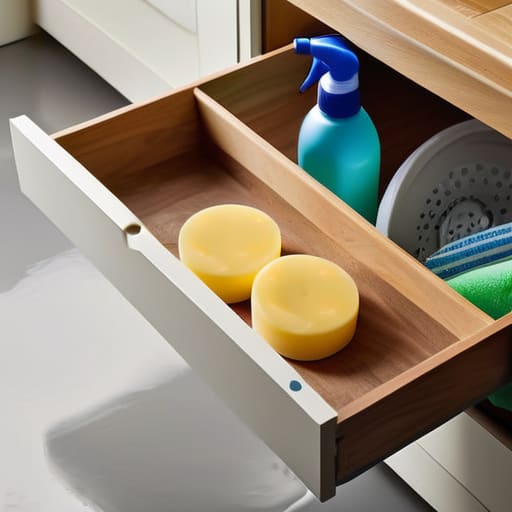
At the end of the day, organizing your under-sink area isn’t about achieving that Pinterest-perfect look where every bottle is color-coded and perfectly spaced. It’s about the practical relief of actually being able to find the dish soap when your hands are wet and soapy, or knowing exactly where the extra sponge is without digging through a graveyard of half-empty cleaning bottles. Whether you decided to repurpose some old shoe boxes, utilized a simple tension rod for your spray bottles, or just grouped your essentials into a few mismatched containers, you’ve done the heavy lifting. You’ve moved from reactive chaos to a functional system that actually works for your real life, and that is a massive win.
Please don’t feel like you have to keep this perfection maintained with a high-stress cleaning schedule. Systems are meant to serve you, not the other way around. If a container gets moved or a bottle ends up in the wrong spot next week, don’t sweat it. Just reset it when you have a spare minute. The goal here isn’t to create a museum under your sink; it’s to reclaim a little bit of mental space and save yourself from the daily frustration of a messy cabinet. You’ve got this, and your future, less-stressed self will definitely thank you for taking these small, messy, but totally effective steps today.
Frequently Asked Questions
What should I do if my under-sink area has a persistent leak or damp smell before I even start organizing?
Before you even think about buying a single organizer, we have to deal with the “why” behind the mess. If it smells damp or looks wet, don’t just organize around it—you’re just masking a bigger headache. Grab a flashlight and check the P-trap and the supply lines for any slow drips. If it’s just a musty smell, clear everything out, wipe it down with some vinegar, and let it air dry completely. Fix the leak first, or you’re just organizing a disaster zone.
Are there specific types of containers that actually hold up against heavy cleaning chemicals without cracking?
Honestly, don’t waste your money on those flimsy, clear acrylic bins you see on Pinterest; the heavy-duty bleach or degreasers will eventually cloud them or even crack the plastic. I’ve learned the hard way that high-density polyethylene (HDPE) is your best friend. Look for containers labeled with a “2” inside the recycling triangle. They’re much more resilient against chemical reactions and can handle the occasional accidental spill without falling apart.
How do I organize a tiny under-sink space when I have a lot of tall, awkwardly shaped bottles?
Look, I’ve been there—staring at a forest of tall dish soaps and bulky cleaners that refuse to play nice. Honestly? Don’t bother trying to line them up in a row; they’ll just tip over. I swear by using a small tension rod across the top of the cabinet. You can hang spray bottles by their triggers, which frees up all that awkward floor space for the shorter stuff. It’s not “Pinterest perfect,” but it works.