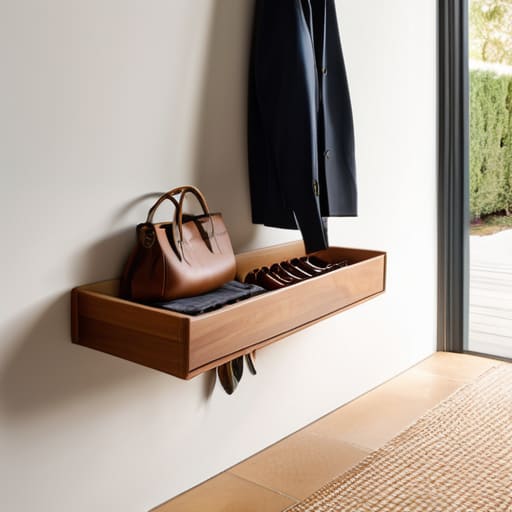
I’m going to say it: most of the advice you see online about how to organize your entryway is completely unrealistic. You’ve seen those photos—the pristine white benches, the perfectly color-coordinated baskets, and the zero-clutter aesthetic that looks like no one actually lives there. If you tried to replicate that in a real apartment, you’d spend more time tidying the decor than actually getting out the door. I’m tired of seeing “organization” sold as a luxury lifestyle rather than a functional tool for people who have actual lives to lead.
I’m not here to sell you a dream of a showroom-ready foyer. Instead, I want to share the messy, tested systems I’ve used to keep my own small space from turning into a tripping hazard. I’ll show you how to build a setup that actually survives your morning rush, using affordable, sturdy solutions that make sense for your budget. We’re going to focus on making your space work for you, rather than you working to maintain the “perfect” look.
Table of Contents
Foyer Decluttering Tips That Actually Stick
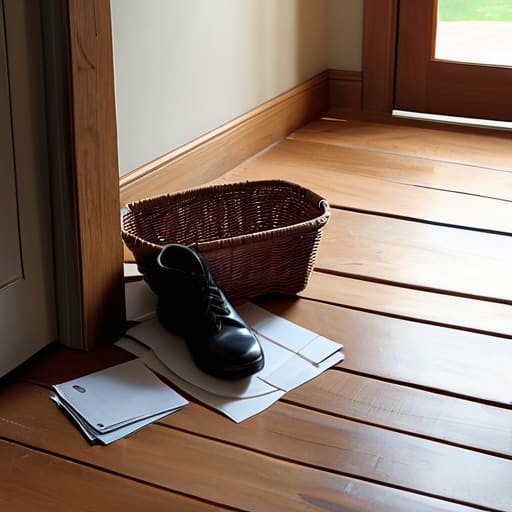
The biggest mistake I see people make is trying to organize clutter they don’t even need. Before you go out and buy a fancy console table, you have to face the mountain of stuff currently living by your front door. I’m talking about those random mail piles, the broken umbrellas, and the shoes from three seasons ago that no one actually wears. My rule of thumb? If you haven’t touched it in a month, it shouldn’t be living in your high-traffic zone. These foyer decluttering tips only work if you actually clear the deck first.
Once you’ve purged the junk, focus on creating a “landing strip” for your daily essentials. Instead of letting everything drift toward the floor, I swear by wall mounted entryway organizers to keep your keys, sunglasses, and wallets off the surfaces. If you’re working with a tighter space, look into some small entryway organization hacks like slim-profile hooks or a small basket for the mail. The goal isn’t to make it look like a museum; it’s to make sure you aren’t hunting for your car keys for ten minutes every single morning.
Small Entryway Organization Hacks for Chaotic Mornings
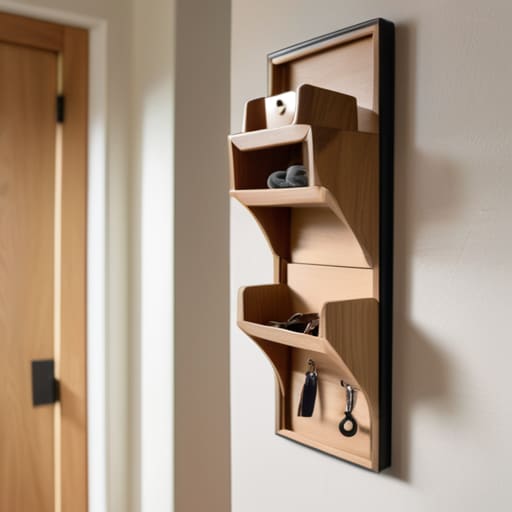
If you’re living in a space where your “entryway” is basically just a hallway or a corner next to the front door, you know the struggle. There is zero room for error when you’re trying to find your keys while simultaneously shoving a heavy coat onto a hook. For these tight quarters, I’ve learned that you have to think vertically. Instead of trying to squeeze in a bulky console table, I swear by wall mounted entryway organizers. They keep your essentials—keys, mail, even your sunglasses—off the floor and within arm’s reach, which is a total game-changer when you’re halfway out the door and panicking.
When it comes to the floor space, don’t let a pile of sneakers become your permanent decor. If you can swing it, look for a slim mudroom bench with storage tucked underneath. It serves two purposes: it gives you a spot to sit while you’re struggling with your boots, and it hides the visual chaos of footwear. It’s not about making it look like a magazine spread; it’s about creating a system that actually survives the 7:00 AM rush.
Five Low-Maintenance Systems to Keep the Chaos at Bay
- Stop trying to find a “decorative” place for everything. If your family drops keys on the counter, buy a heavy-duty tray that actually looks good sitting there. It’s much easier to clear one small tray than to constantly wipe down a cluttered surface.
- The “One-In, One-Out” shoe rule is my lifesaver. If you have a basket for daily shoes, make sure that once a pair is outgrown or worn out, it goes straight to the donation bin. Don’t let the pile grow until you’re literally stepping over sneakers to get to the kitchen.
- Use vertical space for the stuff you actually use. I’m not talking about those tiny, flimsy hooks that pull out of the drywall; I mean sturdy, wall-mounted pegs for heavy winter coats and bags. If it’s off the floor, your brain feels 10% less stressed.
- Create a “Launchpad” station for the essentials. I keep a small basket right by the door specifically for things like sunglasses, umbrellas, and my multi-tool. If it’s not in the basket, it’s lost, and having one designated spot stops that frantic “where are my keys?” scramble five minutes before a meeting.
- Don’t overcomplicate your mail situation. Instead of letting envelopes migrate from the door to the dining table, get a simple, upright file holder. Sort it immediately: trash, action required, or file away. If it doesn’t fit in the holder, it doesn’t belong in the entryway.
The Bottom Line: Making It Work for You
Stop chasing the “look” and start chasing the logic; if your system requires you to fold things perfectly just to keep them tidy, it’s going to fail by Tuesday.
Invest in heavy-duty, real-world solutions like sturdy hooks and deep bins rather than flimsy decorative baskets that can’t actually hold a heavy bag or a pile of mail.
Build your entryway around your actual morning routine, ensuring the things you grab most often—keys, wallet, shoes—are the easiest things to reach.
The Real Goal of an Entryway
“Stop trying to design a showroom and start designing a landing pad; your entryway shouldn’t be a museum of things you’re afraid to touch, but a functional system that catches your keys, your mail, and your sanity before you even make it to the kitchen.”
Maya Sterling
Making It Work for You
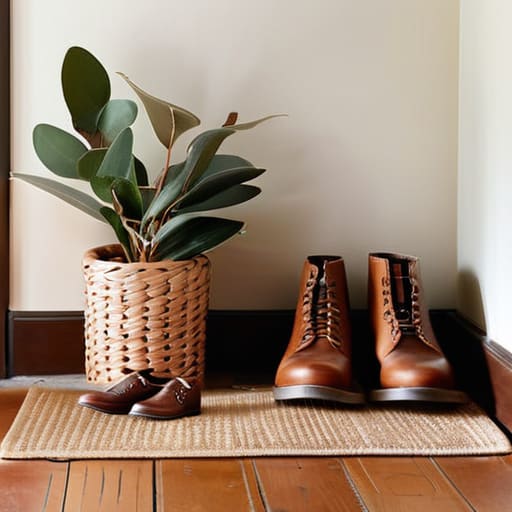
At the end of the day, organizing your entryway isn’t about achieving some magazine-ready look that stays perfect for exactly five minutes. It’s about those small, practical shifts—like finally finding a dedicated home for your keys or grabbing a few sturdy bins to corral the mountain of shoes—that stop the morning chaos before it starts. Whether you’re working with a massive foyer or a tiny corner in a cramped apartment, the goal is to create a system that actually survives your real life. If you’ve implemented a few of these hacks, you’ve already done the hard part of moving from reactive clutter to intentional flow.
Don’t feel like you have to overhaul the entire house in a single weekend. If all you do this week is clear off one small surface or designate a single hook for your heavy work bag, consider that a massive win. We’re all just trying to navigate the messy middle of adulthood, and a little bit of order in the place where you first walk through the door can go a long way in calming the mental noise. Remember, your home should serve you, not the other way around. Focus on what makes your daily routine slightly less stressful, and let the rest go.
Frequently Asked Questions
I have zero floor space—can I still make this work using just the walls?
Oh, absolutely. Honestly, when my apartment felt like it was closing in on me, vertical space was my absolute best friend. If you can’t use the floor, use the walls. I’m talking floating shelves for your keys, heavy-duty wall hooks for those bulky bags, and maybe even a slim wall-mounted mail organizer. It keeps the “stuff” off your feet and makes the whole place feel less claustrophobic. It’s not as “designer,” but it works.
How do I stop the "junk drawer" effect from happening in my entryway baskets after just a week?
The “junk drawer” effect happens because we’re treating baskets like magic black holes instead of actual systems. To stop the drift, you need a “one-in, one-out” rule and, more importantly, a weekly reset. Every Sunday night, grab a small tray or even a pretty bowl to sit inside the basket for high-frequency items like keys or lip balm. If it doesn’t have a specific “home” within that basket, it doesn’t belong there.
What's the best way to manage heavy winter gear and bulky coats without it looking like a mountain of fabric?
Honestly, the “mountain of fabric” look is my biggest entryway enemy. Instead of fighting it, lean into it with verticality. Get a heavy-duty, wall-mounted coat rack—not one of those flimsy ones that wobbles—and use sturdy, mismatched hangers to keep things from sliding. For the heavy puffer coats, I swear by a dedicated bottom shelf or a low cubby for boots. It keeps the bulk off the floor and stops the visual clutter from taking over.