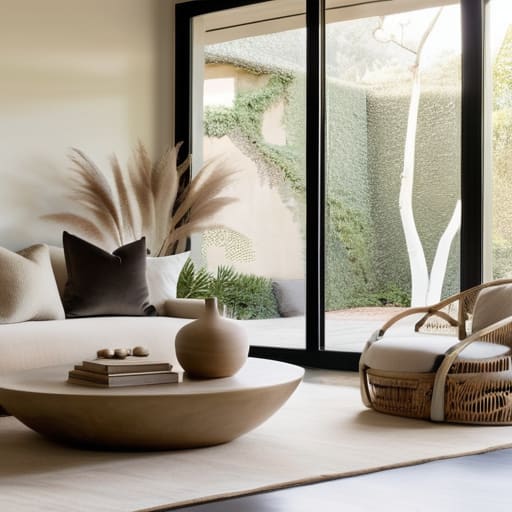
I spent most of my early twenties staring at my beige apartment walls, feeling like I was failing at adulthood because I couldn’t afford a single piece of “curated” furniture. We’ve all been there—scrolling through those perfectly staged living rooms on Instagram and feeling that immediate sense of inadequacy. It’s easy to fall into the trap of thinking you need a massive inheritance or a designer’s eye to make a space feel like home, but honestly? That’s just performative perfection. I’m tired of seeing people stress over expensive trends when the real goal should be creating a sanctuary that actually works for your daily life. If you’re looking for budget decorating ideas that don’t involve a high-interest credit card, you’re in the right place.
In this post, I’m stripping away the fluff and sharing five specific, tested ways to upgrade your space without the soul-crushing price tag. We aren’t talking about superficial fixes that fall apart in a month; I want to show you how to implement functional, low-cost shifts that make your home feel intentional and cozy. From repurposing what you already own to finding hidden gems in the most unlikely places, these five tips will help you reclaim your space on your own terms.
Table of Contents
Shop Your Own House First
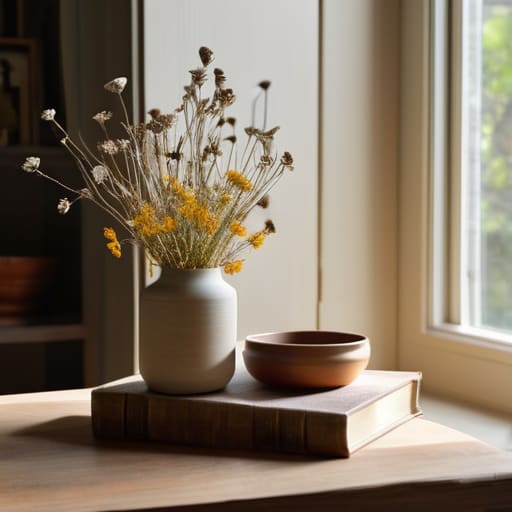
Before you even think about opening a shopping app or heading to a big-box retailer, I want you to do something slightly uncomfortable: audit your own space. We all have that one “junk drawer” or a box of random decor in the back of a closet that we forgot even existed. I spent an entire Saturday last month just moving things from my bookshelf to my coffee table and swapping out a vase from the bedroom to the entryway. It sounds simple, but changing the visual flow of your belongings can make a room feel entirely new without spending a single cent.
The Thrift Store Treasure Hunt
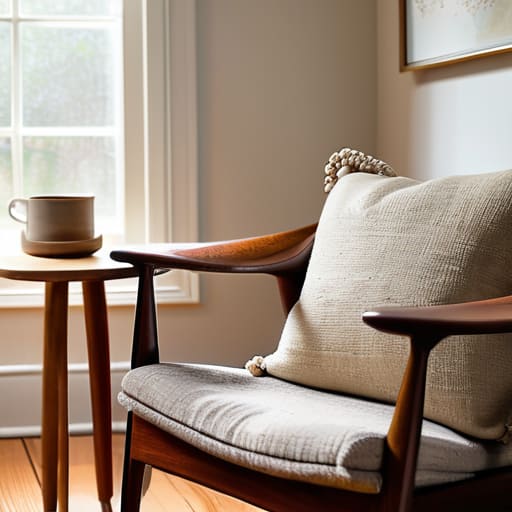
If you do decide to go out and buy something, please, for the love of all things functional, skip the furniture showroom. Those places are designed to make you feel like your life is incomplete without a $2,000 velvet sofa. Instead, make your local thrift stores and secondhand marketplaces your new best friends. I’ve learned that the best pieces—the ones with real soul and actual durability—are usually the ones that just need a little bit of TLC.
Lighting is Everything (And it's Cheap)
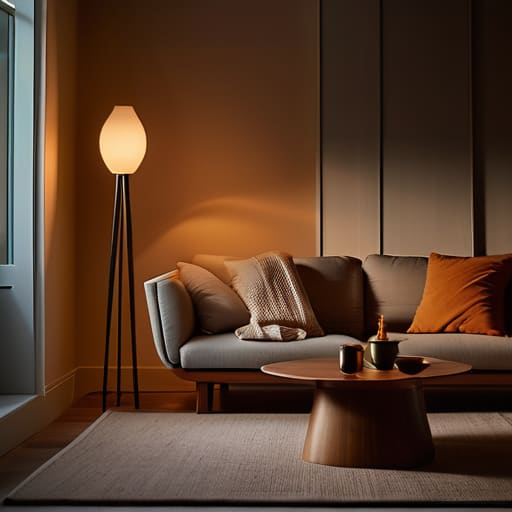
One of the biggest mistakes I see people make is relying solely on that harsh, overhead “big light.” It kills the mood and makes even the most expensive apartment look like a sterile doctor’s office. If you want to instantly upgrade the vibe of your home on a tiny budget, start investing in layered lighting. Think floor lamps, small table lamps, or even a few well-placed battery-operated puck lights under your kitchen cabinets.
Bring the Outside In
I know, I know—it sounds like a cliché, but there is a reason why greenery is everywhere in design. Plants are the ultimate budget hack because they add color, texture, and life to a room in a way that plastic decor just can’t. Plus, if you’re like me and have a bit of a green thumb (thanks to my herb garden!), you can actually propagate your way to a full house. A simple cutting from a Pothos plant in a glass jar can become a beautiful, trailing centerpiece for almost zero cost.
Hardware Swaps for an Instant Facelift
This is my favorite “secret weapon” for when a room feels a bit tired but you don’t have the budget for a full renovation. If you have a basic dresser, a kitchen with dated cabinets, or even just a nightstand that looks a little bland, change the hardware. Replacing standard, boring knobs with something a bit more unique—like brushed brass, matte black, or even vintage ceramic pulls—can completely transform the look of a piece of furniture.
The Bottom Line on Living Well on a Budget
Stop trying to buy a “look” and start solving problems; a room that actually functions for your life is always better than one that just looks good in a photo.
Small, intentional shifts—like repurposing what you already own or hitting the thrift stores—save way more money than waiting for a massive sale at a big-box retailer.
Perfection is a trap that leads to overspending, so embrace the slightly imperfect, lived-in spaces that actually feel like home.
The Truth About Decorating
“We need to stop treating our homes like they’re museum exhibits meant to be photographed and start treating them like spaces meant to be lived in. A thrifted lamp that actually works and a rug that’s comfortable under your feet is worth way more than a designer piece that makes you feel like you can’t actually sit on your own sofa.”
Maya Sterling
The Bottom Line
At the end of the day, decorating your space shouldn’t feel like a second full-time job or a way to go into debt. Whether you’re repurposing old containers for your herb garden, hunting for treasures at a local thrift shop, or just rearranging the furniture you already own, the goal is the same: making your environment work for you. We’ve covered how to prioritize function over fluff, how to shop smart, and why a little bit of DIY magic can go a long way. Remember, you don’t need a massive renovation to feel a difference; it’s really about those small, intentional shifts that turn a house into a home that actually feels like yours.
Please, stop scrolling through those curated, high-budget interior design feeds if they’re making you feel inadequate. Your home doesn’t need to look like a showroom to be a sanctuary. If your living room is cozy, your kitchen is functional, and your budget is intact, then you are absolutely winning. Focus on building a space that supports your real, messy, beautiful life rather than one that just looks good in a photo. You’ve got this, and honestly, your space will thank you for choosing comfort and practicality over the pursuit of a fleeting, expensive trend.
Frequently Asked Questions
How do I make these budget finds look intentional rather than just looking like I'm living in a thrift store?
The secret is all in the “edit.” If you just pile thrifted finds everywhere, it looks like a yard sale. To make things look intentional, I follow a simple rule: group them. Instead of scattering random trinkets, pick a specific spot—like a tray on the coffee table or a single shelf—and curate a little vignette. When you give items a designated “home,” they stop looking like clutter and start looking like a collection.
What’s the best way to decide which room to tackle first when I only have a tiny bit of extra cash?
Honestly? Go where the friction is. Don’t pick the living room just because you want to host a fancy dinner party; pick the room that’s actually stressing you out on a Tuesday morning. If your entryway is a mountain of shoes that makes you trip every time you leave, start there. Fix the space that impacts your daily flow first. When you solve a functional headache, the “aesthetic” part feels a lot less heavy.
Are there any specific DIY projects that actually save me time, or am I just setting myself up for a weekend of frustration?
Look, I’ve definitely spent a Saturday afternoon staring at a half-finished bookshelf and questioning my life choices. If a project requires a degree in engineering or ten different power tools, skip it—that’s just a recipe for burnout. Stick to “low-stakes” wins: upgrading cabinet hardware, organizing a pantry with repurposed jars, or even just a fresh coat of paint on a single accent wall. If it doesn’t have a clear, simple “done” state, leave it for another time.