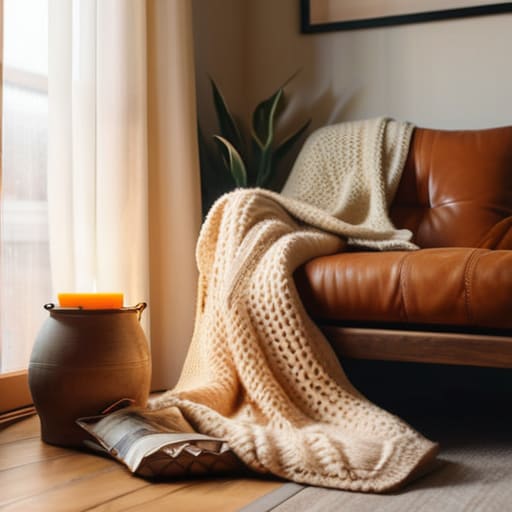
I’ll be the first to say it: most of the advice you see online about how to make your home cozy is actually just a recipe for a massive credit card bill. We’ve all been there—scrolling through endless feeds of perfectly curated “hygge” sanctuaries that look beautiful but feel completely unlivable. You see these staged living rooms with $400 linen pillows and designer candles, and suddenly your own apartment feels inadequate. But here’s the truth: a home shouldn’t feel like a museum where you’re afraid to sit down; it should feel like a soft place to land after a long day of adulting.
I’m not here to sell you a lifestyle or tell you to buy a whole new set of furniture. Instead, I want to share the low-effort, high-impact systems I’ve actually used to turn my small city apartment into a space that feels warm and grounded. We’re going to focus on the messy, practical stuff—like lighting, texture, and scent—that actually works without the performative perfection. My goal is to show you that making a space feel lived-in is about functionality, not just aesthetics.
Table of Contents
- Mastering Warm Lighting Techniques for Living Rooms Without Breaking the Ba
- Textile Layering for Comfort That Actually Stands Up to Daily Life
- Five ways to add soul to your space (without the designer price tag)
- The "no-stress" cozy checklist
- ## The truth about coziness
- Making It Yours
- Frequently Asked Questions
Mastering Warm Lighting Techniques for Living Rooms Without Breaking the Ba
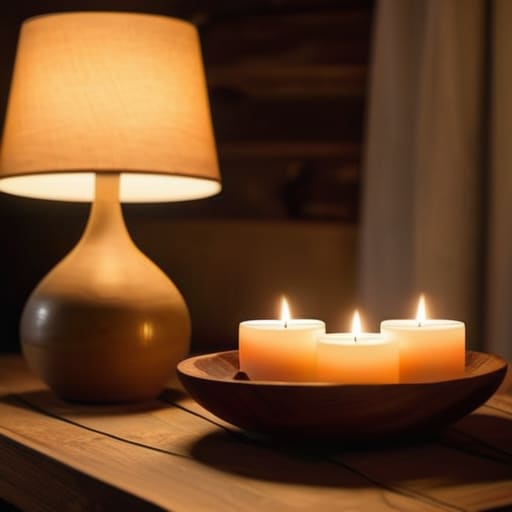
First things first: please, for the love of all things calm, turn off that big overhead light. I call it “the big light,” and honestly, it’s the fastest way to kill any vibe you’re trying to create. If you want to master warm lighting techniques for living rooms without spending a fortune on designer fixtures, the secret is layers. I’m talking about small, inexpensive additions like a thrifted floor lamp in a corner or a couple of cheap battery-operated tea lights tucked into a wooden bowl. By spreading small light sources around the room at eye level, you create depth and a sense of intimacy that a single bright bulb just can’t touch.
It’s less about illumination and more about creating a hygge atmosphere that feels intentional. I love using smart bulbs that let me dim the brightness or shift the tone to a soft amber via my phone. It’s a tiny tech investment that makes a massive difference in how the space feels when I’m winding down after a long freelance deadline. If you can’t afford new lamps, even just repositioning a desk lamp to bounce light off a wall can soften the entire room instantly.
Textile Layering for Comfort That Actually Stands Up to Daily Life

We’ve all seen those staged living room photos where a single, perfectly folded cashmere throw sits untouched on a pristine white sofa. In reality? That’s not a home; that’s a museum. If you want real textile layering for comfort that survives a Tuesday night movie marathon or a frantic morning coffee run, you have to prioritize durability over “the look.” I’m a big fan of mixing textures—think a chunky knit throw paired with a well-loved cotton cushion. The trick is to choose fabrics that can actually handle being tossed around. I personally lean toward heavy linen or cotton blends because they look better when they’re a little rumpled, which takes the pressure off trying to keep everything looking “picture perfect.”
When it comes to creating a hygge atmosphere in your sleeping space, don’t feel like you need to buy a whole new bedding set. Just layer what you have. I love adding a weighted blanket or even a second, lighter quilt at the foot of the bed. It adds visual depth and, more importantly, gives you options when the temperature shifts overnight. It’s about building functional layers that make you want to dive in, rather than just looking pretty from the doorway.
Five ways to add soul to your space (without the designer price tag)
- Stop buying matching sets. Real coziness comes from a bit of visual friction, so mix that thrifted wooden stool with your modern sofa. It makes the room feel like it grew over time rather than being dropped in from a showroom floor.
- Bring in some actual life with plants. I know, I know—I’m an indoor herb gardener, so I’m biased—but even a single pothos on a bookshelf breaks up the sterile lines of a room and makes it feel much more breathable.
- Scent is the invisible layer of comfort. Skip the heavy, artificial sprays and go for something subtle like a soy candle or even just simmering a bit of cinnamon on the stove. It hits your brain before you even realize you’re relaxing.
- Create “zones” for your actual habits. If you love reading, don’t just throw a book on the coffee table; set up a dedicated corner with a decent chair and a small side table. When a space has a clear purpose, it feels intentional and grounded.
- Don’t fear the clutter, just curate it. A perfectly empty shelf feels cold and uninviting. Keep the things that actually mean something to you—a stack of well-loved books, a bowl of smooth stones from a trip, or those mismatched mugs—out where you can see them.
The "no-stress" cozy checklist
Stop chasing the “perfect” look and focus on how a space actually feels—if it’s too stiff to sit in, it’s not cozy.
Layer your lighting and textures in stages so you can adjust the vibe based on your actual energy levels, not just for show.
Use what you already own; a well-loved, slightly worn-in blanket is much more functional (and comforting) than a brand-new, expensive one you’re afraid to touch.
## The truth about coziness
“Stop trying to curate a museum-worthy showroom and start building a sanctuary; a home feels cozy when it’s filled with things that actually serve your life, not just things that look good in a square photo.”
Maya Sterling
Making It Yours
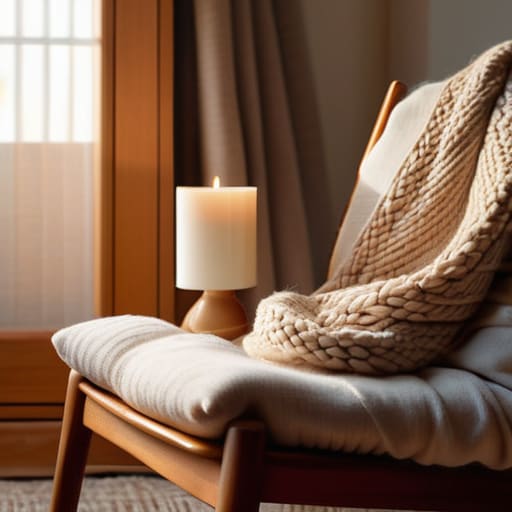
At the end of the day, making a space feel cozy isn’t about buying a matching set of expensive linen pillows or installing a high-end lighting system. It’s really just about the small, intentional shifts we discussed—swapping out those harsh overhead lights for a few warm lamps and layering in textiles that you actually enjoy touching, rather than just looking at. Whether you’re adjusting your lighting to soften a corner or pulling out that old, slightly worn throw blanket that feels like a hug, you’re building a foundation of comfort. Remember, the goal isn’t to create a showroom; it’s to build a functional sanctuary that works for your real, everyday life.
Please, give yourself permission to skip the performative perfection you see scrolling through your feed. Your home shouldn’t feel like a museum where you’re afraid to move a coaster; it should feel like a place where you can finally exhale. If your living room is a little cluttered or your rug isn’t perfectly symmetrical, let it be. The most “cozy” homes aren’t the ones that look the best in photos, but the ones that feel the most like home. Start small, use what you have, and focus on what actually makes you feel at peace.
Frequently Asked Questions
How do I make a space feel cozy without it just looking like a cluttered mess?
The trick is to focus on “intentional layers” rather than just adding more stuff. I always tell people: if it doesn’t serve a purpose or actually make you feel good, it’s just clutter. Instead of scattering knick-knacks everywhere, try grouping a few meaningful items on a tray or a single shelf. It creates a “moment” for the eye to rest on without making the whole room feel chaotic. Think cozy, not crowded.
What are some budget-friendly ways to add warmth to a room that has cold, hardwood floors?
Look, I love my hardwood floors, but let’s be real: they can feel like an ice rink in the winter. If you aren’t ready to shell out for expensive area rugs, try layering. I usually grab some affordable, machine-washable runners for high-traffic spots or even a thick, plush rug remnant from a local shop. It’s not about the perfect pattern; it’s about getting that soft, warm barrier between your feet and the cold wood.
Are there specific scents or small details that actually help a room feel more lived-in rather than just "decorated"?
Honestly, it’s the “imperfect” details that do the heavy lifting. Instead of a generic, store-bought candle, try simmering some cinnamon and orange peels on the stove—it smells like a real home, not a showroom. Also, ditch the perfectly fluffed pillows. A slightly rumpled throw or a stack of well-loved books on the coffee table makes a room feel like people actually live there, rather than just visiting a museum.