If you’ve ever scrolled through social media and felt like you needed a massive budget and a professional organizer just to figure out how to stock a healthy kitchen, please, take a deep breath. I am so tired of the myth that “healthy eating” requires a pantry full of $18 artisanal superfood powders and glass jars that cost more than my actual groceries. Honestly, most of those aesthetic, color-coded pantries are just performative clutter that makes cooking feel like a chore rather than a way to fuel your life.
I’m not here to sell you on a lifestyle you can’t maintain when you’re exhausted after a long workday. Instead, I want to share the messy, tested systems I use in my own small apartment to make sure I’m actually eating well without breaking the bank or spending my entire Sunday meal prepping. We’re going to focus on versatile staples, smart shortcuts, and the kind of realistic organization that actually works in the real world. No fluff, no expensive gimmicks—just practical advice to help you build a kitchen that supports you, not stresses you out.
Table of Contents
Real Nutritious Pantry Staples That Wont Break the Bank
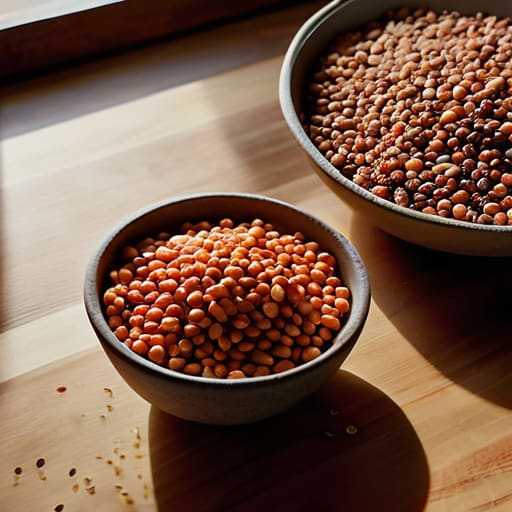
Look, I’m not going to tell you to go out and buy a $40 jar of organic goji berries just because they look cute in a glass mason jar. We aren’t doing performative wellness here. Instead, I focus on nutritious pantry staples that actually survive a busy work week. My go-to list always starts with the heavy hitters: dried lentils, canned chickpeas, and quinoa. These are the ultimate meal prepping essentials because they’re cheap, they don’t expire if you forget about them for a month, and they form the backbone of almost every quick dinner I make when I’m too tired to actually “cook.”
Beyond the grains and legumes, don’t underestimate the power of the freezer aisle. Frozen spinach and berries are often more nutrient-dense than the “fresh” stuff that wilts in your crisper drawer two days after you buy it. To make these basics taste like actual food and not just sad sustenance, you need a solid collection of essential spices for healthy cooking. A little smoked paprika or some cumin can turn a basic bowl of beans into something that feels intentional rather than just a survival tactic.
A Whole Foods Grocery List for People With Lives
Look, I get it. You walk into the produce aisle, see a mountain of kale and organic dragonfruit, and suddenly feel like you’re failing at being an adult because you don’t have a color-coded basket of superfoods. But a realistic whole foods grocery list isn’t about buying things you’ll eventually throw away because they wilt in three days. It’s about choosing items that actually survive your hectic Tuesday night. Think more along the lines of hearty root vegetables, frozen berries, and bags of spinach that can be tossed into a smoothie or a pasta sauce without much fuss.
The secret to making this work is focusing on versatility over variety. If you buy a head of cauliflower, make sure you have a plan to roast it, mash it, or even blend it into a sauce. When I’m building my weekly haul, I treat my shopping trip as the first step of my meal prepping essentials phase. I’m looking for ingredients that can play multiple roles so I’m not stuck eating the exact same flavor profile four nights in a row. It’s not about being a gourmet chef; it’s just about being prepared.
My Low-Stress Rules for Keeping the Kitchen Functional
- Stop shopping without a plan. I used to wander the aisles hoping for inspiration, but all I ended up with was a basket of random stuff I never actually cooked. Now, I check my fridge first and write down five basic meals I can make with what I already have.
- Lean heavily on the freezer. Frozen veggies aren’t “lesser” than fresh; they’re actually a lifesaver when you realize you haven’t touched that bag of spinach in a week. They don’t rot in your crisper drawer, and they’re ready for a quick stir-fry when you’re exhausted.
- Build a “flavor toolkit.” You don’t need fifty different spices, but you do need the basics—salt, pepper, garlic powder, and maybe one or two versatile blends. If you have the right seasonings, even a boring can of beans can taste like a real meal.
- Embrace the “half-prep” method. I don’t have the energy for Sunday meal prep marathons like some people, so I just do the small stuff. I’ll chop an onion or wash some berries as soon as I get home from the store. It’s much easier to cook when the annoying prep work is already done.
- Keep your staples accessible, not hidden. If your healthy stuff is buried in the back of a dark pantry, you’re going to reach for the easy crackers every time. Keep your most-used items at eye level so they’re actually part of your routine.
The Bottom Line for Your Kitchen
Stop trying to build a “perfect” pantry from scratch; just focus on getting a handful of versatile staples in your cart so you can actually make a meal on a Tuesday night.
Prioritize frozen and canned goods alongside your fresh produce—they’re cheaper, they won’t rot in your crisper drawer, and they’re just as nutritious.
Keep it simple and functional over aesthetic; a kitchen that works is way more valuable than one that looks like a magazine spread.
The Reality of a Functional Kitchen
“Stop trying to build a kitchen that looks like a magazine spread and start building one that actually supports you on a Tuesday night when you’re exhausted and just need something decent to eat.”
Maya Sterling
The Reality Check
At the end of the day, stocking a healthy kitchen isn’t about having a color-coordinated spice rack or a fridge full of expensive superfoods that you’ll inevitably let rot. It’s about building a reliable foundation of versatile staples—those beans, frozen veggies, and grains we talked about—that make a quick, decent meal possible when you’re exhausted after a long day of work. You don’t need a massive overhaul or a massive budget; you just need a few functional basics that take the guesswork out of your next meal.
Please, give yourself some grace as you navigate this. Some weeks you’ll meal prep like a pro, and other weeks you’ll be living off toast and whatever is in the back of the freezer. That is perfectly okay. The goal isn’t to achieve some unattainable standard of culinary perfection; it’s simply to make sure you’re actually fed and supported by the food in your home. Focus on the small, sustainable systems that work for your real, messy life, and everything else will eventually fall into place.
Frequently Asked Questions
How do I keep all these fresh staples from going bad and wasting my money?
Honestly, the “buy everything fresh” dream usually ends with a science experiment in my crisper drawer. My rule of thumb? Eat the fragile stuff first. If your spinach is looking a little sad, toss it into a smoothie or sauté it immediately—don’t wait for the “perfect” meal. I also keep a “use me now” bin in the fridge for anything nearing its expiration. It’s not fancy, but it stops my grocery budget from literally rotting away.
I have a tiny kitchen with almost zero counter space—how can I actually fit all this in?
I feel this in my soul. My apartment kitchen is basically a glorified hallway with a stove attached. When counter space is non-existent, you have to stop thinking horizontally and start thinking vertically. Get some sturdy floating shelves or even a rolling utility cart to hold your heavier items. For the rest, I swear by magnetic strips for knives and over-the-door organizers for spices. If it doesn’t hang or stack, it doesn’t belong on my counter.
What are some quick, 15-minute meals I can make using just these pantry basics when I'm too tired to cook?
Look, we’ve all had those Tuesday nights where the couch feels more inviting than the stove. When I’m running on fumes, I lean on the “assembly method.” Think: a quick black bean and salsa quesadilla, or even just some canned chickpeas tossed with olive oil, salt, and whatever dried herbs are in my cabinet. It’s not a five-course meal, but it’s warm, filling, and takes zero brainpower to pull together.