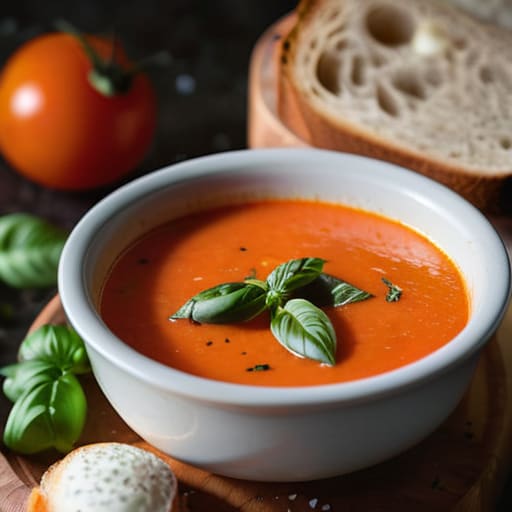
I used to think that being an “adult” meant standing in a kitchen full of expensive gadgets, following a twenty-step recipe, and somehow ending up with a meal that looked like a Pinterest board. But between managing freelance projects and trying to keep my indoor herbs alive, I quickly realized that I don’t have the time or the energy for performative cooking. Most of us are just trying to get through a Tuesday without ordering takeout for the third time this week. That’s why I’ve spent so much time obsessing over finding easy meals for beginners—recipes that actually respect your time and your bank account without requiring a culinary degree.
In this post, I’m stripping away the fluff and sharing five of my most reliable, go-to staples. These aren’t fancy, multi-course feasts; they are real food for real life. I’m going to walk you through five specific meals that are low-effort, high-reward, and—most importantly—hard to mess up even if you’ve never boiled an egg. By the time you finish reading, you’ll have a solid game plan for those nights when your brain is fried but your stomach is growling. Let’s get into it.
Table of Contents
The "Everything" Sheet Pan Roast
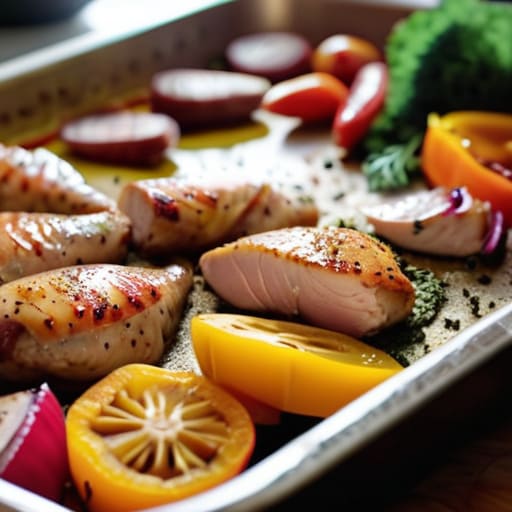
If you’re like me and the thought of scrubbing three different pans makes you want to just order takeout, this is your new best friend. You basically just chop up whatever vegetables are looking sad in your crisper drawer, toss them on a baking sheet with a protein like chicken thighs or sausages, and let the oven do the heavy lifting. I usually drizzle some olive oil, salt, and pepper over everything, but honestly, whatever spices you have in the cabinet will work just fine.
One-Pot Pesto Pasta
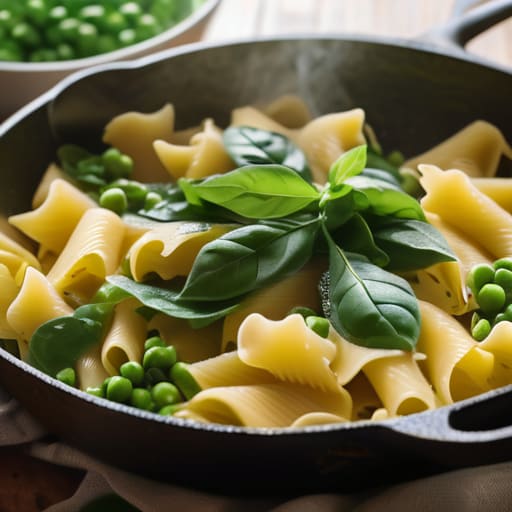
I used to think making pasta required a massive pot of boiling water, a colander, and a whole lot of timing precision. Then I realized that if you’re just starting out, you don’t need to be a kitchen scientist. For this version, I like to cook the pasta directly in a shallow pan with just enough broth or water to cover it, adding some frozen peas or spinach toward the end. It creates its own creamy sauce because of the starch that stays in the pan.
The Elevated Quesadilla
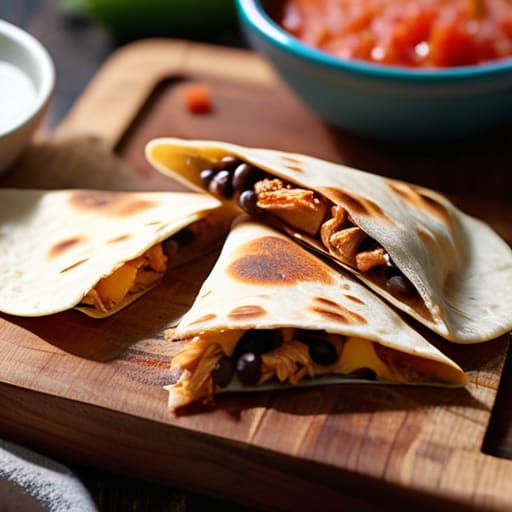
Let’s be real: a quesadilla is basically a grilled cheese for people who want to pretend they’re eating a “real” meal. It is the ultimate low-effort fallback. I keep a pack of tortillas and a bag of shredded cheese in my pantry at all times because they have a long shelf life and require zero prep work. To make it feel less like a snack and more like a meal, I usually throw in some canned black beans or leftover rotisserie chicken.
Loaded Grain Bowls
I call these “fridge-clearing bowls” because they are designed to use up whatever random bits of food you have left. The base is usually something simple like microwaveable quinoa or brown rice—yes, I use the 90-second pouches, no judgment allowed. From there, you just layer on whatever you have: canned chickpeas, cucumber slices, a hard-boiled egg, or even some avocado if it’s actually ripe for once.
Breakfast for Dinner Tacos
There is something deeply satisfying about eating breakfast foods when the sun is already down. Scrambled eggs are probably the most forgiving thing you can cook; even if you overdo it slightly, they’re still delicious. I like to soft-scramble them with a little bit of butter and then pile them into warm tortillas with some cheese and maybe a few slices of jalapeño if I’m feeling adventurous.
The Bottom Line for Your Kitchen
Don’t let the “perfect” recipe intimidate you; if it tastes good and gets you fed, you’ve already won.
Focus on building a small toolkit of versatile staples rather than chasing every trendy ingredient on social media.
Give yourself permission to have “zero-effort” nights—sometimes a well-made sandwich is a perfectly valid dinner.
My Philosophy on Cooking
“Stop trying to cook like you’re on a cooking show and start cooking like you’re actually hungry. A meal doesn’t need a garnish or a perfectly balanced plate to be a win; if it’s nourishing you and didn’t require a mountain of dishes, you’ve already succeeded.”
Maya Sterling
Finding Your Rhythm in the Kitchen
At the end of the day, these five meals aren’t about culinary mastery or creating something worthy of a magazine spread. They are about building a foundation of reliable, low-stress wins that keep you fed without draining your bank account or your sanity. Whether you’re leaning on that one-pan pasta when you’re exhausted or prepping a batch of roasted veggies to toss into whatever is in the fridge, the goal is the same: reducing the mental load of “what’s for dinner?” Remember, it’s okay if the kitchen gets a little messy or if you end up eating the same thing three nights in a row. That’s not a failure; it’s efficient living.
If you’re feeling intimidated by the sheer amount of cooking advice out there, please take a breath and let it go. You don’t need a pantry full of expensive spices or a set of professional-grade knives to be “good” at cooking. You just need to find the small, repeatable systems that work for your specific, busy life. Start small, forgive yourself for the burnt toast, and focus on what actually sustains you. Cooking should be a tool that serves your life, not another chore on your never-ending to-do list. You’ve got this, one simple meal at a time.
Frequently Asked Questions
I’m always running low on ingredients; are there any specific pantry staples I should keep on hand so I’m not running to the store every single night?
Honestly, the “emergency run to the store” is my biggest productivity killer. To stop the cycle, I focus on a “base layer” of ingredients that don’t expire quickly. Keep dry pasta, canned beans, rice, and a few jars of good sauce on hand. Toss in some olive oil, garlic, and maybe a bag of frozen veggies. It’s not fancy, but when I’m exhausted, having these basics means I can actually eat instead of ordering expensive takeout.
I really want to eat healthier, but most "easy" recipes seem to rely heavily on salt or heavy sauces—how can I make these more nutritious without adding a ton of extra prep work?
I totally get that. Most “quick” recipes are basically salt bombs in disguise. My trick? I don’t add more ingredients; I just swap the heavy hitters. Instead of a massive dollop of creamy sauce, I’ll use a squeeze of lemon or a splash of vinegar to brighten the flavor—it hits those same taste buds without the heaviness. Also, keep a jar of dried herbs like oregano or garlic powder handy. They add huge flavor with zero extra prep.
Does it actually make sense to meal prep these on Sundays, or is it better to just cook them fresh as I go to avoid everything getting soggy in the fridge?
Honestly, it’s a bit of a balancing act. If you’re prepping something like a hearty grain bowl or a stew, Sunday prep is a lifesaver. But for anything with crunchy greens or delicate textures? Please, don’t do it. You’ll end up with a sad, soggy mess by Wednesday. I usually prep my “base” components—like roasted veggies or proteins—but I keep the fresh stuff for the actual moment of eating. Better to spend ten minutes cooking than five minutes mourning a wilted salad.