I’m so tired of seeing those perfectly curated “budget meal prep” videos where every glass container is color-coded and every ingredient looks like it was plucked from an organic boutique farm. Let’s be real: if you’re staring at your bank account on a Tuesday and wondering how to cook on a budget without eating nothing but plain white rice and sadness, those aesthetic reels aren’t helping you. I spent years thinking I had to choose between expensive “wellness” groceries or living on instant noodles, but I eventually realized that the most sustainable way to eat is much messier and far less photogenic than social media wants you to believe.
I’m not here to sell you on a lifestyle overhaul or a complicated grocery list that requires a second mortgage. Instead, I’m sharing the actual, tested systems I use in my own small kitchen to keep my pantry stocked and my sanity intact. We’re going to talk about functional eating—the kind of real-world strategies that prioritize flavor and nutrition without the performative perfection. No fancy gadgets, no wasted money, just straightforward methods that actually work when life gets busy.
Table of Contents
Low Cost Pantry Staples That Actually Keep You Full
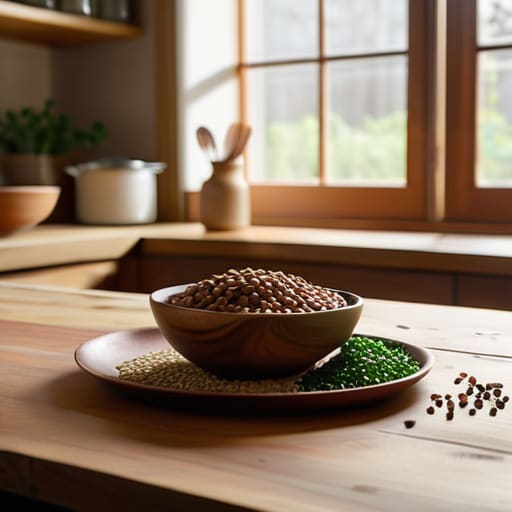
If you’ve ever stared into a near-empty fridge and felt that immediate sense of panic, I’ve been there. The secret to avoiding those “emergency” takeout orders isn’t a massive grocery haul; it’s about stocking up on low cost pantry staples that actually have some staying power. I’m talking about the heavy hitters: dried lentils, brown rice, oats, and canned beans. These aren’t just filler; they are the backbone of a real meal. When I’m deep in a project and don’t have time for a complex recipe, a quick bowl of seasoned lentils over rice is my absolute lifesaver.
I’ve learned through trial and error that bulk buying benefits are real, but only if you actually use what you buy. Buying a massive bag of quinoa is great for the wallet, but it’s useless if it sits there for six months. My rule of thumb? Focus on versatile items that can pivot between sweet and savory. A big tub of oats can be breakfast porridge one day or blended into flour for pancakes the next. It’s all about building a foundation that makes economical meal prep ideas feel less like a chore and more like a system.
Grocery Shopping Hacks to Stop Overspending at the Register
If you’ve ever walked into a store for just milk and walked out with a $70 receipt, trust me, I’ve been there. The trick isn’t about having more willpower; it’s about having a better system. My biggest rule? Never, and I mean never, shop while you’re hungry. It sounds cliché, but wandering the aisles on an empty stomach is a one-way ticket to the snack aisle. Instead, I treat my grocery list like a project brief. I do a quick audit of what I already have before I even leave the house, which is a huge part of reducing food waste and saving money.
Another thing that changed the game for me was mastering the art of the “unit price.” Don’t just look at the big, shiny price tag on the shelf; look at the tiny numbers underneath that tell you the cost per ounce. This is where you’ll find the real grocery shopping hacks that separate the deals from the traps. Also, try to stick to the perimeter of the store. The middle aisles are designed to tempt you with processed stuff that’s expensive and won’t actually keep you full. Stick to the basics, and your bank account will thank you.
The "Lazy-But-Smart" Strategies for Making it Work
- Embrace the “Cook Once, Eat Twice” rule. I stopped trying to make a fresh meal every single night because it’s exhausting and expensive. If I’m making a big pot of chili or a tray of roasted veggies on Tuesday, I’m intentionally making enough to turn it into a different meal on Wednesday. It’s not “leftovers”—it’s just strategic lunch prep.
- Stop buying pre-cut everything. I know, it’s tempting when you’ve had a long day of project managing and just want to chop an onion without the drama, but the “convenience tax” is real. Buying the whole head of broccoli or the block of cheese instead of the shredded stuff saves me a ridiculous amount of money over a month.
- Learn to love your freezer. My freezer is basically my safety net. Whenever I see meat or frozen veggies on a deep discount, I grab them. Also, don’t throw away those wilting herbs or that half-empty jar of tomato paste; freeze them in ice cube trays. It feels like a waste to toss them, and it’s an easy way to add flavor later without buying new ingredients.
- Master the “Kitchen Sink” meal. Some nights, the fridge looks depressing. Instead of ordering takeout because I “have nothing to eat,” I lean into my kitchen sink method: a grain, a protein, and whatever sad-looking veggies are left, all tossed in a pan with some soy sauce or spices. It’s not a Pinterest-worthy bowl, but it’s filling and costs me zero extra dollars.
- Shop your own cupboards before you head out. I used to wander the aisles and grab things I already had a version of at home. Now, I do a quick “pantry audit” before I make my list. If I find a bag of lentils hiding in the back, that’s my protein for the week. It prevents that double-buying cycle that kills my budget.
The Bottom Line: Making it Work
Stop chasing the “perfect” meal plan; focus on building a rotation of versatile staples that you actually enjoy eating.
Treat your grocery list like a project scope—stick to the plan to avoid the “scope creep” of impulse buys that blow your budget.
Remember that saving money isn’t about deprivation, it’s about being intentional so you have more left over for the things that actually matter.
The Reality Check
Stop trying to recreate those perfectly staged Pinterest meal preps; cooking on a budget isn’t about looking like a gourmet chef, it’s about building a pantry that works for you so you aren’t staring blankly at an empty fridge on a Tuesday night.
Maya Sterling
Let's Keep It Real
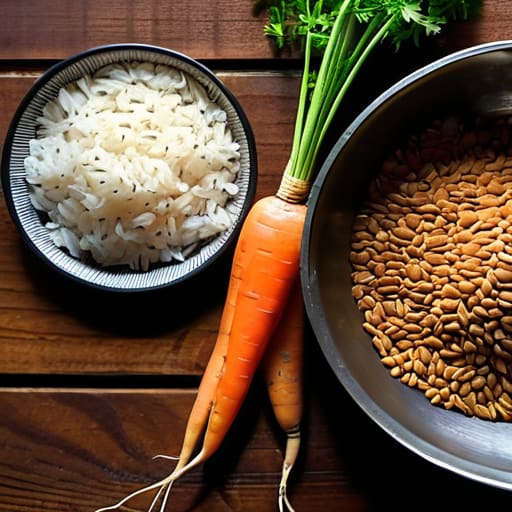
Look, we’ve covered a lot of ground here, from stocking up on those heavy-hitting pantry staples to actually sticking to a game plan while you’re wandering the grocery aisles. It’s not about having a perfectly curated, color-coordinated kitchen or a fridge that looks like a magazine spread. It’s about the small, functional wins—knowing you have a bag of lentils and some rice to fall back on when the paycheck feels a little thin, or realizing you didn’t accidentally grab three boxes of unnecessary snacks just because they were on sale. If you can master the basics of smart shopping and keep the essentials on hand, you’ve already won half the battle.
At the end of the day, I want you to remember that cooking on a budget is a skill, not a punishment. There will be nights when nothing goes according to plan, when you’re tired, and you end up eating toast for dinner—and honestly? That is perfectly okay. Don’t let the pressure of “perfect meal prepping” make you feel like you’re failing. Just focus on making one or two small, sustainable changes this week. Whether it’s buying generic or finally trying that budget-friendly recipe, you’re building a system that works for your actual life, not some filtered version of it. You’ve got this.
Frequently Asked Questions
How do I actually make these cheap pantry staples taste good without buying expensive spices?
Honestly, I used to think “flavor” meant buying a $12 jar of organic saffron, but that’s just not realistic. The secret is leaning into what you already have. Acid is your best friend—a splash of cheap vinegar or even a squeeze of lemon can wake up a boring lentil soup instantly. Don’t sleep on aromatics like sautéing onions and garlic first, or even just toasting your grains in a little oil. It’s about building layers, not buying labels.
Is it really worth the effort to meal prep, or am I just wasting time I could spend working?
Honestly? If you’re trying to prep five elaborate, five-star meals every Sunday, you’re probably wasting your time. That’s just performative productivity. For me, it’s about “component prepping”—cooking a big batch of grains or roasting a tray of veggies while I’m already in the kitchen. It’s not about spending hours on a hobby; it’s about making Tuesday night’s decision-making way less exhausting so you can actually relax.
What do I do when my budget is so tight that even the "cheap" options feel like too much?
Look, I’ve been there—staring at a grocery receipt that feels like a personal attack. When even the “budget” stuff feels out of reach, stop looking at the aisles and start looking at your community. Check local food pantries; they exist for exactly this reason, and there’s zero shame in using them. Also, don’t sleep on apps like Too Good To Go or even local community Facebook groups. Sometimes, the best way to eat is by leaning on others.