I spent way too many years scrolling through interior design feeds, feeling like my apartment was a failure because it didn’t look like a curated showroom. We’ve all been there—staring at a blank wall or a cluttered corner, thinking we need a massive renovation budget just to make things feel right. But honestly? Most of those high-end looks are just clever illusions. I’ve learned that searching for the perfect diy home decor ideas shouldn’t feel like a second job or a source of stress. You don’t need a professional stylist or a mountain of cash to create a space that feels intentional; you just need a few smart, low-effort tweaks that prioritize how you actually live.
In this post, I’m stripping away the fluff and sharing five of my absolute favorite ways to level up your space. These aren’t those “look but don’t touch” projects that fall apart in a week; these are tested, functional hacks designed for real life. From repurposing what you already own to quick fixes that add instant character, I’m going to show you how to make your home work for you without losing your mind (or your entire paycheck) in the process.
Table of Contents
- The Thrifted Frame Gallery
- Upcycled Glass Jar Organizers
- The "Found Object" Floating Shelf
- Texture Over Color with Fabric Scraps
- The Low-Maintenance Greenery Hack
- The Bottom Line on Making Your Space Work
- ## A Final Thought on Making a Space Your Own
- Let's Get Real About Your Space
- Frequently Asked Questions
The Thrifted Frame Gallery
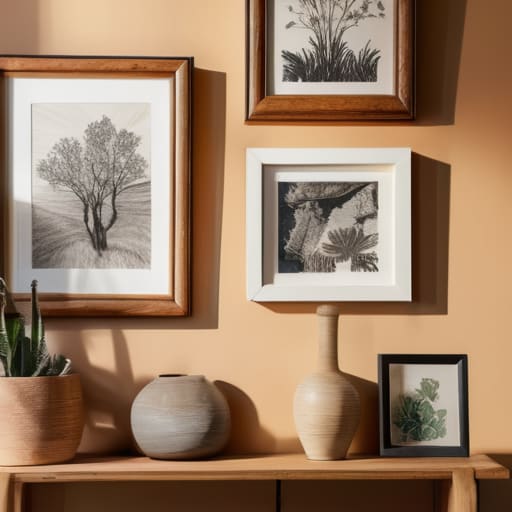
We’ve all seen those high-end gallery walls on Instagram that look like they cost a small fortune in custom framing. Honestly? Most of those look stiff. Instead, I hit up my local thrift store and grabbed every mismatched, weirdly shaped wooden frame I could find. Don’t worry if the wood grain is a little wonky or the colors don’t perfectly match; that’s actually where the charm is.
Upcycled Glass Jar Organizers
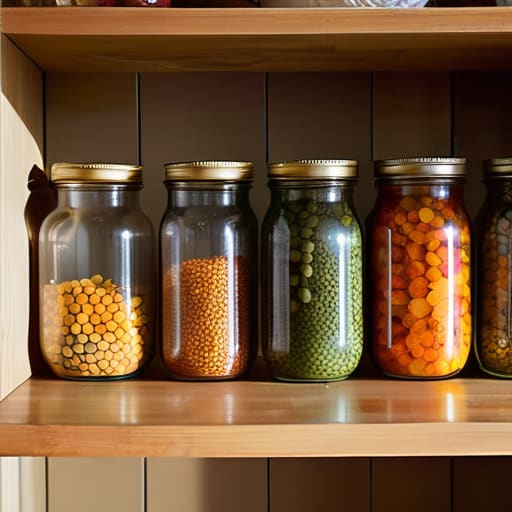
My kitchen used to be a graveyard of half-empty pasta boxes and mismatched plastic containers, which honestly just made me feel chaotic every time I tried to cook. I started saving my empty pasta sauce and jam jars, and now they are my absolute best friends. It’s not about making your pantry look like a professional chef’s kitchen; it’s about seeing what you actually have so you stop buying duplicates.
The "Found Object" Floating Shelf
If you’re living in a small apartment like I am, floor space is a premium. I used to stare at my empty walls wishing I had more room for my herb garden or my favorite books, but I didn’t want to deal with heavy, expensive shelving units. I found these thick, reclaimed wood planks at a local salvage yard and used my multi-tool to help me prep them for some simple bracket mounting.
Texture Over Color with Fabric Scraps
Sometimes a room feels “off” not because it’s ugly, but because it’s just too flat. You don’t need to go out and buy a whole new set of expensive linen pillows to fix that. I’ve found that taking old, high-quality fabric scraps—think an old cotton button-down or a linen tablecloth—and sewing them into simple pillow covers is a total game changer.
The Low-Maintenance Greenery Hack
I love the idea of a lush, indoor jungle, but let’s be real: I sometimes forget to water my own plants. Instead of buying those temperamental tropicals that die the moment you look at them wrong, I focus on “decorating” with hardy, functional greenery. I take old, interesting vessels—like a chipped ceramic teapot or an oversized vintage tin—and turn them into instant planters.
The Bottom Line on Making Your Space Work
Stop worrying about whether your DIY projects look like they belong in a magazine; if it serves a purpose and makes you feel settled, it’s a win.
Prioritize function over fluff by investing your time and small budget into pieces that actually solve a problem in your daily routine.
Don’t feel pressured to finish everything at once—home is a work in progress, and small, incremental tweaks are much more sustainable than a total overhaul.
## A Final Thought on Making a Space Your Own
“At the end of the day, your home shouldn’t look like a staged showroom; it should look like a place where you actually live, breathe, and occasionally make a mess. Don’t get hung up on whether a DIY project looks ‘Instagram-perfect’—if it makes your space feel more like you and functions better for your daily routine, then it’s a total win.”
Maya Sterling
Let's Get Real About Your Space
At the end of the day, whether you’re repurposing old jars for your herb garden or finally tackling that thrifted furniture project, the goal isn’t to create a showroom. We’ve looked at how small, intentional changes—like updating hardware or adding some greenery—can completely shift the energy of a room without requiring a massive renovation budget. These ideas aren’t about following every fleeting trend you see on your feed; they are about building a home that actually serves you. It’s about taking those little bits of clutter or outdated pieces and turning them into something that feels intentional and, more importantly, functional for your daily life.
If you’re feeling a bit intimidated by the idea of starting a DIY project, just remember that your first attempt doesn’t have to be a masterpiece. I’ve definitely had my fair share of “oops” moments with paint drips and crooked shelves, but honestly? Those little imperfections are what make a space feel lived-in and real. Don’t let the pressure of perfection stop you from making a move. Just grab your tools, start small, and focus on making your environment a little bit easier to navigate. You don’t need a designer’s budget to create a space that feels like home—you just need a little bit of grit and a solid plan.
Frequently Asked Questions
I love these ideas, but how do I know if a DIY project is actually worth the time versus just being another thing on my to-do list?
Honestly, I struggle with this too. My “to-do” list can feel like a second job sometimes. My rule of thumb? If a project solves a daily frustration—like a messy junk drawer or a wobbly table—it’s a “yes.” But if I’m only doing it because I saw a pretty photo on Instagram, I skip it. If it doesn’t make your actual life easier or more functional, it’s just clutter in disguise.
Are there specific tools I should invest in early on, or can I really get away with just the basics I already have around the house?
Honestly? Please don’t go out and buy a massive, expensive toolset just because you have a sudden burst of DIY motivation. I used to think I needed everything, but most of it just gathers dust. Stick to the basics—a decent screwdriver set, a hammer, and a tape measure. If you’re serious about a specific project, like hanging shelves, then go grab a drill. Buy as you go; it keeps your budget (and your closet) sane.
How do I make sure my DIY projects don't end up looking "cheap" or clashing with the furniture I already own?
Honestly, I used to struggle with this constantly—everything I touched ended up looking like a middle school art project. My biggest rule now? Stick to a cohesive color palette. Before you buy that can of spray paint, look at the undertones of your existing furniture. If your sofa is a warm beige, don’t go for a stark, cool-toned white. Also, focus on hardware. Swapping out generic knobs for something weighted and matte can instantly elevate a project from “crafty” to “intentional.”