
I’m currently sitting on a pile of half-taped cardboard boxes in my living room, staring at a stack of “essential” moving guides I found online, and honestly? Most of them are completely useless. If I see one more influencer suggest that you need a $50 color-coded labeling system or a specific brand of aesthetic storage bins to survive a transition, I might actually lose it. Real moving tips shouldn’t involve a massive upfront investment in things you’ll just throw away in a month; they should be about the gritty, unglamorous work of deciding what actually deserves a spot in your new life.
I’m not here to sell you on a Pinterest-perfect moving experience because, let’s be real, moving is usually a chaotic, sweaty mess. Instead, I want to share the functional, budget-friendly systems I’ve actually used to keep my sanity intact while navigating small apartment transitions and larger relocations. I’m going to walk you through the messy, tested methods that prioritize saving your time and your money over looking pretty. No fluff, no performative organization—just the practical stuff that actually works when you’re exhausted and surrounded by bubble wrap.
Table of Contents
- The Messy Truth About Decluttering Before Moving
- Budgeting for a Move Without the Performative Stress
- Five ways to actually get through moving day without a breakdown
- The "no-fluff" moving checklist
- The real secret to a low-stress move
- Taking the Next Step (Without the Meltdown)
- Frequently Asked Questions
The Messy Truth About Decluttering Before Moving
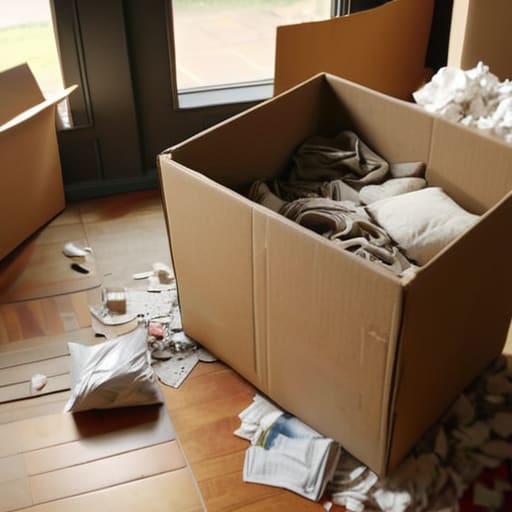
Here is the messy truth about decluttering before moving:
We’ve all seen those Pinterest-perfect videos where someone glides through a room, tossing things into sleek, uniform bins with a single, effortless motion. In reality? It’s usually a sweaty, emotional disaster. I spent an entire weekend staring at a pile of “maybe” clothes, paralyzed by the thought of letting go of a sweater I haven’t worn since 2016. The truth is, decluttering before moving isn’t about achieving some zen-like minimalism; it’s about deciding what is actually worth the physical effort of lifting and carrying to a new zip code.
If you try to pack everything you own, you’re just paying to transport your own clutter. I’ve learned the hard way that every box you fill is more money spent on packing supplies essentials and more time spent unpacking later. Instead of aiming for perfection, just be ruthless about the “junk drawer” items and the kitchen gadgets you only use once a year. If it doesn’t serve a clear purpose in your new space, let it go now. Your future, exhausted self will thank you.
Budgeting for a Move Without the Performative Stress
Look, I’ve seen those perfectly curated spreadsheets on Pinterest that make you feel like you need a PhD in finance just to change zip codes. Let’s ignore that. When I’m budgeting for a move, I don’t start with a complex macro; I start with a realistic “buffer fund.” Moving always costs more than the initial quote suggests—whether it’s that last-minute run to the store for more tape or the sudden realization that you need a larger truck. I always set aside an extra 15% of my total estimate for the “oops” moments. It’s not about being perfect; it’s about being prepared for the inevitable chaos.
Instead of obsessing over every cent, focus your energy on the big, heavy hitters. I prioritize my spending on a few high-quality packing supplies essentials—like decent tape and sturdy boxes—rather than buying every single gadget on a moving checklist. If a cheap box holds your books without collapsing, it’s doing its job. Don’t let the pressure to have a “perfectly managed” relocation turn into a source of anxiety. Just track your big expenses, keep a small cushion, and give yourself some grace when the unexpected costs pop up.
Five ways to actually get through moving day without a breakdown
- Forget the expensive specialty moving boxes for a second; hit up your local liquor stores or grocery stores for sturdy, uniform boxes. They’re free, they’re heavy-duty, and they don’t require a trip to a big-box store that’ll end up costing you an extra fifty bucks you didn’t plan to spend.
- Stop trying to pack your “essentials” in a giant box that gets buried under a mountain of kitchenware. Pack an “Open First” bag—think a literal suitcase—with your chargers, a change of clothes, basic toiletries, and that multi-tool I always carry. You’ll thank me when you’re digging through taped-up cardboard at 11 PM just trying to find a toothbrush.
- Don’t waste your precious energy labeling boxes with just “Kitchen.” That’s how you end up with a box of mismatched Tupperware and a single spatula lost in the void. Use a thick marker and write exactly what’s inside, like “Coffee maker, mugs, and filters,” so you know exactly what you need to function on morning one.
- If you’re hiring movers, don’t just hand them a stack of boxes and hope for the best. Group your stuff by room before they even arrive. It sounds like extra work upfront, but it keeps the chaos contained and prevents the “where did the bedroom stuff go?” panic when you’re halfway through your first night.
- Be ruthless about your tech and cables. Before you unplug anything, snap a quick photo of the back of your TV or your computer setup. Trust me, trying to remember which specific cord goes into which port while you’re exhausted and surrounded by bubble wrap is a special kind of nightmare you don’t need.
The "no-fluff" moving checklist
Stop buying those expensive, branded moving kits; use what you have, like old towels for padding and grocery store boxes for books, to keep your budget intact.
Don’t aim for a perfectly organized move—just focus on grouping things by room so you aren’t digging through random piles of chaos on your first night.
Prioritize a “survival box” for your first 24 hours with the essentials (think chargers, coffee maker, and basic tools) so you aren’t hunting through fifty taped-up boxes just to find a toothbrush.
The real secret to a low-stress move
Stop trying to curate a Pinterest-perfect moving day; your goal isn’t to look organized, it’s to make sure you can actually find your coffee maker and a clean pair of socks on your first morning in the new place.
Maya Sterling
Taking the Next Step (Without the Meltdown)
At the end of the day, moving isn’t about having a perfectly curated Pinterest board of labeled moving bins or a seamless, stress-free transition. It’s about the grit of deciding what stays and what goes, the reality of watching your budget stretch, and the sheer logistics of getting your life from point A to point B. Whether you’re using old grocery bags for your kitchen essentials or realizing that you definitely don’t need that third broken toaster, remember that every small, functional decision you make now is a gift to your future, less-stressed self. You don’t need a professional moving crew and a massive inheritance to do this right; you just need a solid, realistic plan and the willingness to embrace a little bit of chaos along the way.
Once the last box is taped shut and you’re standing in your new space—likely surrounded by half-unpacked clutter and a sense of total exhaustion—take a second to breathe. The goal wasn’t to achieve a flawless move; the goal was to get you settled into your new life without breaking the bank or your spirit. Your new home doesn’t need to look “finished” by next week to be a sanctuary. Focus on the small wins, like finding your coffee maker or getting your herb garden set up on the windowsill, and let the rest unfold at its own pace. You’ve got this, and honestly, the mess is part of the process.
Frequently Asked Questions
How do I actually figure out if it's cheaper to rent a truck myself or just hire a moving company for a few hours?
Honestly, there’s no one-size-fits-all answer, but here’s my quick math: Renting a truck is almost always cheaper on paper, but you’re paying in sweat equity and gas. If you have a crew of reliable friends and a sturdy SUV, go the DIY route. But if you’re moving heavy furniture alone or across town, those “cheap” rental fees vanish once you factor in insurance, truck rental, and the inevitable physical toll. Hire the pros if your time and back are worth more than the extra cash.
What's the best way to pack a kitchen without spending a fortune on bubble wrap and specialized boxes?
Honestly, don’t go overboard buying those heavy-duty moving supplies. I’ve learned that your kitchen is already full of built-in padding. Use your dish towels, tea towels, and even those thick winter socks to wrap your glasses and plates. For small items, nestle them inside your pots and pans. If you need extra cushioning, grab some old newspapers or even those grocery store paper bags. It’s not “aesthetic,” but it’s free and works perfectly.
How am I supposed to keep track of all my important documents and essentials when everything is in a cardboard box?
Honestly, this is where most people trip up. Don’t trust the boxes. I have a dedicated “survival folder”—just a simple, bright-colored accordion file—that stays with me, not the movers. Inside, I keep my lease, passports, birth certificates, and a folder for all those random receipts. I also pack one “Day One” bin with my charger, basic tools, and meds. If everything else is buried under bubble wrap, you’ll at least have your sanity.