I spent way too much of my early twenties thinking that if I just bought the right $1,200 ergonomic chair or a sleek, walnut-veneer standing desk, my procrastination would magically disappear. I fell headfirst into the trap of “productivity porn,” chasing an aesthetic that looked great on Instagram but felt completely hollow in my actual, messy life. The truth is, searching for the best productivity gadgets shouldn’t feel like a luxury shopping spree; it should feel like building a toolkit. We don’t need more clutter that just sits there looking pretty; we need functional solutions that actually help us navigate a chaotic workday without breaking the bank.
In this post, I’m stripping away the performative fluff to share the five specific tools that have actually earned a permanent spot in my daily workflow. I’m not talking about high-tech distractions, but rather the rugged, reliable items that help me stay focused when my brain wants to wander. I promise that by the end of this list, you’ll see how to curate a setup that is purpose-driven rather than status-driven, saving you both time and sanity.
Table of Contents
The "No-Brainer" Noise Canceling Headphones

I used to think high-end noise-canceling headphones were just a luxury for people with massive, silent home offices. But once I started freelancing from tiny apartments with thin walls and neighbors who apparently love power tools at 10 AM, they became my absolute lifeline. You don’t need the most expensive brand on the market, but you do need something that can actually drown out the chaos so you can find your flow state.
A Reliable, Extra-Long Charging Cable
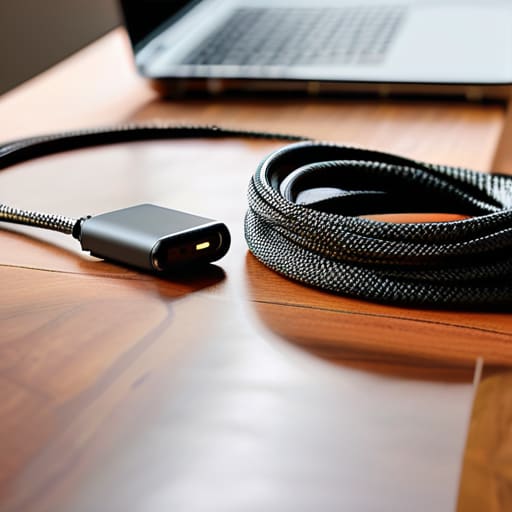
This sounds almost too simple to be a “gadget,” but trust me on this one. There is nothing that kills my momentum faster than having to sit on the floor next to a wall outlet because my phone or laptop is at 5% and my cord is only three feet long. I spent years fighting with short cables until I finally bought a heavy-duty, 10-foot braided cable, and it was a total game-changer for my workspace setup.
The Simple Mechanical Timer
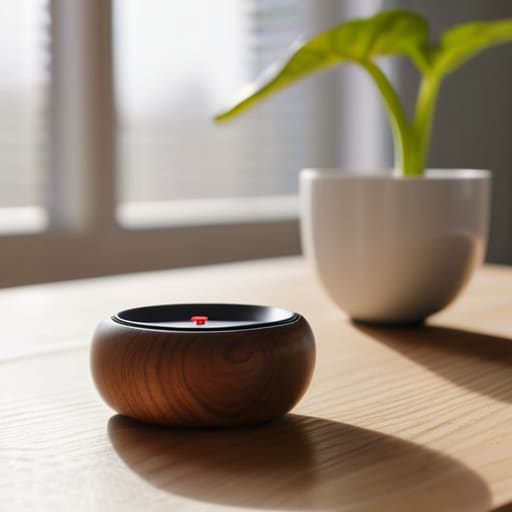
I am a huge advocate for the Pomodoro technique, but I’ve realized that using my phone as a timer is a massive trap. The second I pick up my phone to set a twenty-minute timer, I see a notification, then an email, and suddenly forty-five minutes have vanished into a social media void. I switched to a dedicated, physical timer that sits right on my desk, and it has saved my sanity.
A Portable Power Bank That Actually Works
As a freelancer, my “office” changes constantly—sometimes it’s a library, sometimes it’s a park bench, and sometimes it’s just my kitchen table. I’ve learned the hard way that relying solely on the battery life of my devices is a recipe for stress. Having a slim, high-capacity power bank in my bag is my version of a safety net for my productivity.
An Ergonomic Vertical Mouse
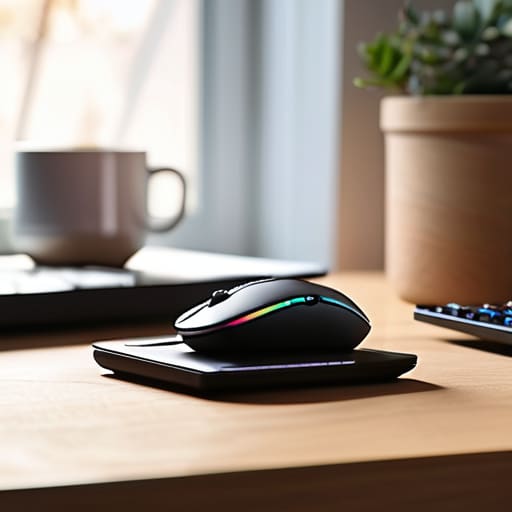
I used to get this dull, aching tightness in my wrist by mid-afternoon, and I honestly thought it was just a part of “adulting.” It turns out, my standard, flat mouse was forcing my forearm into a weird, twisted position all day. Switching to a vertical mouse felt incredibly strange for the first couple of days, but my wrist hasn’t felt this relaxed in years.
The Bottom Line
Stop chasing the “aesthetic” setup you see on social media; if a gadget doesn’t actually solve a friction point in your daily workflow, it’s just expensive clutter.
Focus on tools that bridge the gap between your digital life and your physical reality, especially when you’re working from a cramped apartment or a noisy cafe.
The best productivity system is the one you actually use consistently, so choose gear that feels intuitive rather than something that requires a PhD to operate.
Forget the Aesthetic, Find the Utility
At the end of the day, a gadget isn’t “productive” just because it looks sleek on a Pinterest board; it’s only worth the space on your desk if it actually clears a mental hurdle or saves you ten minutes of frustration when life gets chaotic.
Maya Sterling
The Bottom Line
At the end of the day, these gadgets aren’t about collecting more shiny objects to clutter your workspace. Whether it’s that noise-canceling headset that finally lets you focus in a loud cafe or a simple mechanical timer that keeps you from spiraling into a three-hour doomscroll, the goal is the same: reducing the friction between you and your actual work. You don’t need every single thing on this list to be effective, but finding that one or two tools that solve your specific, daily headaches can make a massive difference in how you feel when you finally close your laptop for the evening.
Please remember that no amount of tech can replace a good night’s sleep or a decent boundary between your work and your life. I’ve spent way too many years thinking a new app or a faster charger would magically fix my procrastination, only to realize that systems beat gadgets every single time. Use these tools to support your flow, not to create a new hobby of managing your own gear. Keep it simple, keep it functional, and don’t forget to step away from the screen once the real work is done. You’ve got this.
Frequently Asked Questions
Do I actually need these gadgets, or am I just buying more digital clutter to manage my digital clutter?
Honestly? Most of the time, you’re probably just buying more clutter. I’ve been there—scrolling through tech reviews at 11 PM, convinced a new app will finally fix my chaotic life. It won’t. Gadgets should solve a specific, recurring friction point in your day, not create a new hobby of managing them. If a tool doesn’t save you more time than it takes to set up, leave it in the cart.
How do I integrate these tools into my workflow without spending more time "setting them up" than actually working?
The biggest mistake I see is “procrastivity”—using the setup process as a way to feel productive without actually doing the work. My rule? If it takes more than ten minutes to configure, it’s a distraction, not a tool. Start with one gadget, learn its core function, and ignore the bells and whistles. Don’t aim for a perfect system; just aim for a tool that removes a friction point in your day. Keep it messy, keep it moving.
Are there cheaper, low-tech alternatives that work just as well for someone on a tight budget?
Honestly, absolutely. I’m a huge believer that you don’t need to spend a fortune to find your flow. If a fancy smart-planner feels too expensive, grab a $2 spiral notebook and a pen that actually writes smoothly. If you’re eyeing a high-end timer, a basic kitchen timer from the dollar store works exactly the same way. Sometimes, the best “tech” is just a simple system that doesn’t require a charging cable.