I was sitting on my floor last Tuesday, surrounded by three half-empty cardboard boxes and a mountain of “maybe one day” junk, staring at a stack of overpriced, bamboo drawer dividers I’d bought on a whim. It hit me then: we’ve been lied to about organization. We’re told that if we just buy the right aesthetic bins or follow a specific color-coding system, we’ll finally find peace, but that’s just a recipe for buying more stuff to manage the stuff we already have. If you’re looking for a way to learn how to reduce clutter for good, please, put the credit card away and stop scrolling through those perfectly curated home tours.
I’m not here to sell you a lifestyle or a specific brand of minimalist containers; I’m here to share the messy, functional systems that actually work when life gets loud. I want to walk you through the realistic, low-budget methods I’ve used to keep my own small apartment from swallowing me whole. We’re going to focus on decision-making, not decorating, so you can finally stop tripping over your own belongings and start living in a space that actually serves you.
Table of Contents
Decluttering Mindset Shifts That Actually Work
Before you even touch a single junk drawer, we need to talk about the mental heavy lifting. Most of us approach cleaning like it’s a chore to be finished, rather than a way to reclaim our space. One of the biggest decluttering mindset shifts I had to learn is that letting go of an object isn’t a loss; it’s actually a way of making room for the things that actually serve my current life. I used to hold onto old hobby gear or “just in case” kitchen gadgets, thinking I was being prepared. In reality, I was just paying a “clutter tax” in the form of wasted time and mental energy.
Stop trying to achieve a “perfect” home and start aiming for a functional one. When you shift your focus from how a room looks to how it actually works, you stop getting caught up in the performative side of minimalism. Instead of chasing an aesthetic, focus on preventing clutter regrowth by asking yourself: “Does this item have a dedicated home, or is it just drifting?” If it doesn’t have a place to live, it’s just future landfill waiting to happen.
Decluttering Room by Room Without the Burnout
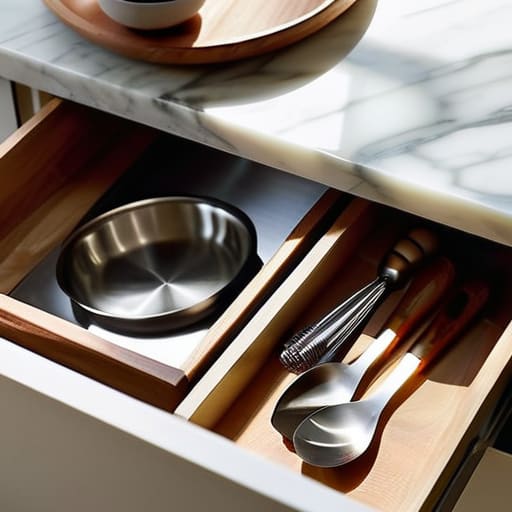
The biggest mistake I see people make is trying to tackle the whole house in a single weekend. That is a one-way ticket to burnout and a living room covered in half-empty boxes. Instead, I swear by decluttering room by room, starting with the spaces that cause you the most daily friction. For me, that’s always the kitchen or my desk. If you can’t find your favorite spatula or your charger, that’s where the stress lives. Pick one small zone—just one drawer or one shelf—and commit to finishing it before you even look at the next room.
Once you start seeing small wins, you can move to the bigger stuff, but keep your pace sustainable. The goal isn’t just to clear space; it’s about building organizing systems for home that actually stick. If a system is too complicated, you won’t use it, and you’ll end up right back where you started. Treat each room like a mini-project. By focusing on one area at a time, you avoid that overwhelming “mountain of mess” feeling and actually enjoy the process of reclaiming your space.
The "Real Life" Rules for Keeping the Junk at Bay
- Stop the “Just in Case” hoarding. We’ve all been there—clinging to a tangled mess of charging cables for a phone we haven’t owned since 2014. If you haven’t touched it in a year and it doesn’t serve a specific, immediate purpose, it’s just taking up mental real estate. Let it go.
- Adopt a “One In, One Out” policy for your most problematic areas. If you buy a new cozy sweater, one old one has to go to a donation bin. This isn’t about being strict; it’s about creating a natural equilibrium so your closet doesn’t turn into a slow-motion avalanche.
- Give everything a “home base.” Clutter is usually just stuff that doesn’t have a designated spot to live. If your keys, mail, and scissors are always floating around, it’s because they don’t have a landing pad. Find a small tray or a specific drawer, and make it a rule: if it’s not in use, it goes back to its home.
- The “Five-Minute Reset” is my absolute lifesaver. Before I head to bed or finish my workday, I spend just five minutes putting things back where they belong. It’s not deep cleaning; it’s just preventing the “mess creep” that makes you feel overwhelmed the next morning.
- Forget the expensive organizational systems. You don’t need a $50 acrylic bin to keep your desk tidy. Use what you already have—an old shoebox, a mason jar, or even just a designated corner of a shelf. Functional is better than fancy, and honestly, it saves you money you can spend on actual groceries.
The Real Secret to Staying Clutter-Free
Stop buying “organizing” solutions before you’ve actually finished decluttering; most of those cute bins just end up becoming expensive hiding spots for more junk.
Focus on “one in, one out” as a baseline rule for your daily habits so you aren’t constantly playing a game of catch-up with your own belongings.
Build systems that work for your actual, messy life—not the version of yourself you think you should be—because if a system is too complicated to maintain on a Tuesday night, it’s not a good system.
The Truth About Keeping It Simple
“Stop trying to buy your way out of a mess with cute storage bins. Real decluttering isn’t about finding a prettier place to hide your stuff; it’s about deciding what actually earns a spot in your life so you can finally stop managing your clutter and start living in your home.”
Maya Sterling
Final Thoughts on Keeping the Chaos at Bay
At the end of the day, reducing clutter isn’t about achieving some impossible, minimalist dream where every single surface is empty and white. It’s about the small, gritty shifts we talked about: changing how you view your belongings, tackling one manageable corner at a time, and—most importantly—refusing to let a single bad day turn into a total relapse. You don’t need a massive overhaul or a shopping spree for expensive organizers to make this stick. You just need to keep focusing on functional systems that serve your actual life, rather than some curated version of it that exists only on a screen.
If you feel like you’re slipping back into old habits, please be kind to yourself. I’ve definitely had weeks where my “organized” kitchen looks more like a junk drawer exploded, and honestly? That’s fine. The goal isn’t perfection; it’s simply making sure your space works for you instead of against you. Just pick one small thing to put away, one drawer to clear, or one pile to tackle tomorrow. You’ve already done the hardest part by deciding to change the cycle. Now, just keep moving forward, one small, messy step at a time.
Frequently Asked Questions
What do I actually do with all the stuff I decide to get rid of so it doesn't just end up in a landfill?
This is where most of us stall out, right? We get the piles ready, but then they just sit there, staring at us. Honestly, if it’s going to end up in a trash bag, you’ve already lost. For clothes, hit up a local shelter instead of a big-box donation bin—they actually need them. For tech or random household gear, try a Buy Nothing group on Facebook. It’s way more rewarding to see your “junk” actually helping a neighbor.
How do I stop the "rebound clutter" from creeping back in two weeks after I've finished cleaning?
The “rebound” happens because we usually clean for the look instead of the flow. You’ve cleared the surfaces, but you haven’t fixed the broken systems. If your mail always ends up on the kitchen island, stop fighting it and put a basket there instead. Clutter is just stuff looking for a home. If it doesn’t have a designated, easy-to-reach spot, it’s going to end up on your floor. Focus on “one-touch” rules—don’t put it down, put it away.
I feel so much guilt about letting go of sentimental items—how do I decide what's actually worth the space?
I hear you—the guilt is real. I used to treat every old concert ticket like a sacred relic, but honestly? They were just taking up mental space. Try this: instead of focusing on what you’re losing, focus on what you’re gaining—like a clear surface or a less stressful room. If an item represents a memory, take a high-quality photo of it. You keep the sentiment, but lose the physical weight.