I am so tired of seeing those “aesthetic” smoothie recipes on my feed that require twelve different superfoods, a $500 blender, and a literal hour of prep time. Honestly, if I wanted to spend my entire morning cleaning kale sludge out of a high-speed motor, I wouldn’t be making breakfast in the first place. We need to stop pretending that knowing how to make a smoothie requires a degree in nutrition or a massive grocery budget. Most of the time, you just need a way to get something decent into your system before your first Zoom call without making a massive mess in your tiny kitchen.
I’m not here to give you a list of expensive powders you’ll never use; I’m here to give you the actual, tested framework that works for a busy life. I’ll show you how to build a drink that actually tastes good using whatever is currently wilting in your crisper drawer or sitting in your freezer. This is about functional nutrition that fits into a real schedule, focusing on simple ratios and smart shortcuts so you can spend less time blending and more time actually living.
Table of Contents
- Choosing Your Best Blender for Smoothies Without Breaking the Bank
- Finding the Right Smoothie Base Ingredients for Real Sustenance
- Five Ways to Stop Making Smoothies That Taste Like Chalk
- The Bottom Line: Keep It Simple and Functional
- The Real Secret to a Smoothie
- Stop Overthinking the Blend
- Frequently Asked Questions
Choosing Your Best Blender for Smoothies Without Breaking the Bank
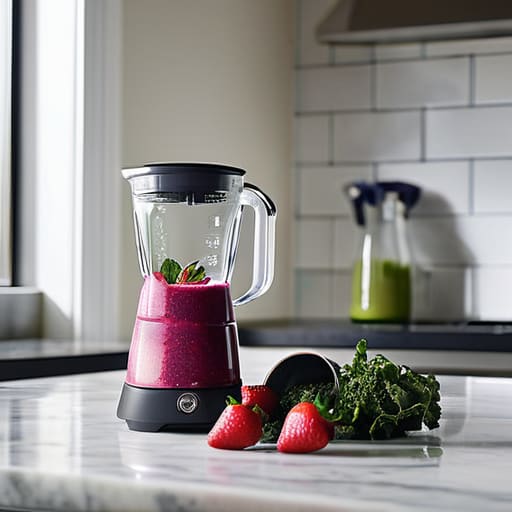
Look, I get it. You walk into a kitchen store and suddenly you’re staring at a $500 high-speed blender that looks like it belongs in a laboratory. You don’t need that. Unless you’re planning on running a full-scale juice bar from your studio apartment, most of those “professional grade” machines are just expensive paperweights. For my daily routine, I’ve found that a mid-range personal blender is usually the best blender for smoothies because it’s easy to clean and doesn’t take up half my counter space.
The real secret isn’t the motor wattage, though; it’s how you use what you have. If you’re working with a budget model, you’ll want to focus on smoothie texture tips to avoid that annoying “chunk” factor. Instead of tossing massive frozen chunks into a weaker motor, try pulsing your liquids first or using slightly thawed fruit. Also, a quick pro-tip: I always prefer frozen fruit vs ice in smoothies because ice can water down the flavor, whereas frozen berries give you that creamy consistency without the extra dilution.
Finding the Right Smoothie Base Ingredients for Real Sustenance
Look, I know those Instagram reels make it seem like you need a massive bowl of dragon fruit and expensive powders to make this work, but let’s get real. If you want a smoothie that actually keeps you full until lunch rather than leaving you crashing by 10 AM, you have to focus on your smoothie base ingredients. I always start with a liquid—usually unsweetened almond milk or just plain water if I’m feeling frugal—and then I lean heavily on fiber. Whether it’s a handful of oats or a scoop of chia seeds, that’s what prevents the sugar spike.
Once you have your liquid, it’s all about the substance. If you’re looking for real sustenance, you can’t just rely on juice. I’ve found that adding protein to smoothies via Greek yogurt or a simple scoop of hemp hearts is the ultimate game-changer for my midday energy. Also, a quick tip on the consistency: I’ve learned that using frozen fruit vs ice in smoothies makes a massive difference. Ice tends to water everything down and leave you with a gritty texture, whereas frozen bananas or berries create that creamy, thick consistency we actually want without the dilution.
Five Ways to Stop Making Smoothies That Taste Like Chalk
- Stop buying expensive pre-made smoothie packs; just grab a bag of frozen fruit from the grocery store and use whatever is about to turn into mush in your crisper drawer.
- Don’t skip the fat, or you’ll be hungry again in twenty minutes—toss in a spoonful of peanut butter, half an avocado, or some chia seeds to actually stay full.
- Layer your ingredients like a pro by putting the liquids in first; it saves your blender motor from a mid-morning meltdown and keeps everything moving smoothly.
- If your smoothie tastes like a science experiment, add a tiny pinch of salt; it sounds weird, but it actually cuts through the bitterness of greens and makes the flavors pop.
- Forget the fancy glass carafes; keep a few reusable jars in the freezer so you can prep your ingredients ahead of time and just blend and go when you’re running late.
The Bottom Line: Keep It Simple and Functional
Don’t get caught up in the “superfood” hype; just focus on getting a decent balance of protein, fats, and whatever fruit is actually on sale this week.
Your blender doesn’t need to be a $500 piece of kitchen art—if it crushes ice and does the job without a meltdown, it’s a winner in my book.
Stop trying to make every smoothie look like a Pinterest board and start prioritizing stuff that actually keeps you full until lunch.
The Real Secret to a Smoothie
“Stop trying to recreate those perfect, neon-colored recipes you see on Instagram; just grab whatever fruit is actually ripe in your kitchen and whatever greens are about to wilt in the crisper drawer, blend it, and move on with your morning.”
Maya Sterling
Stop Overthinking the Blend
At the end of the day, making a smoothie isn’t about mastering some complex culinary formula or owning a $600 high-speed blender that takes up half your counter space. It’s really just about the basics: picking a decent machine that actually works, grabbing a solid base so you aren’t hungry twenty minutes later, and not stressing over whether your fruit looks pretty in a glass. Whether you’re throwing in some wilting spinach to save a few bucks or using frozen bananas because they’re easier than peeling fresh ones, the goal is functional nutrition, not a photoshoot. If it tastes good and keeps you fueled, you’ve won.
I know how easy it is to look at those perfectly curated wellness blogs and feel like you’re doing it wrong if your smoothie isn’t a vibrant, uniform shade of pastel pink. But honestly? Life is messy, and your breakfast should be allowed to be, too. Don’t let the pursuit of the “perfect” smoothie stop you from actually making one. Just grab your blender, toss in what you have, and start where you are. You don’t need a lifestyle overhaul to feel better; you just need a simple system that works for your actual, busy life.
Frequently Asked Questions
How do I stop my smoothies from turning into a weird, watery mess every single time?
The “watery mess” struggle is so real, and honestly, it usually comes down to one thing: too much liquid. I used to dump in a massive glass of almond milk and wonder why my smoothie felt like flavored water. Stop using all liquid as your base. Instead, use frozen fruit or even a handful of ice to create that creamy texture. If you need liquid to get the blades moving, add it a splash at a time.
Is there a way to make these actually taste good without dumping a ton of expensive honey or agave in there?
Honestly, I used to do the same thing until I realized I was basically drinking liquid sugar. If you want flavor without the expensive syrup, lean into natural sweetness. Use a couple of frozen bananas—they act like creamy ice cream—or a handful of pitted Medjool dates. If you’re craving something more savory or bright, a tiny squeeze of lime or a pinch of cinnamon can trick your brain into thinking it’s sweeter than it actually is.
What's the best way to prep these on a Sunday so I'm not scrubbing a blender every single morning before work?
The “Smoothie Pack” method is your best friend here. On Sunday, portion out your fruit, greens, and even a scoop of protein powder into individual reusable silicone bags or glass jars. When Monday morning hits, you just dump the bag into the blender, add your liquid, and pulse. No chopping, no measuring, and—the best part—no cleaning up a mountain of fruit scraps while you’re still half-asleep.