
I was sitting on my living room floor last Tuesday, surrounded by three overflowing cardboard boxes and a mounting sense of failure, when I realized something: I had been trying to follow a “minimalist lifestyle” guide that required me to buy $40 bamboo dividers just to feel organized. It’s exhausting, isn’t it? We’ve been sold this lie that learning how to declutter your home requires a massive budget and a perfectly curated, beige aesthetic. But honestly, if you need a professional organizer and a shopping spree just to find your car keys, the system is broken. I’m tired of the performative perfection that makes us feel like we’re failing at basic adulting just because our junk drawers exist.
I’m not here to sell you on a lifestyle you can’t afford or a level of tidiness that isn’t sustainable for a real person with a real job. Instead, I want to share the messy, tested methods I’ve used to reclaim my small apartment without losing my mind. We are going to focus on functional systems that actually save you time and money, rather than just making your shelves look pretty for an Instagram photo.
Table of Contents
- Ditch the Konmari Hype for Real Decluttering Mindset and Psychology
- A Brutally Honest Decluttering Checklist for Beginners Who Are Overwhelmed
- Five Low-Stress Tactics for When You’re Totally Over It
- The Bottom Line: How to Actually Make This Stick
- ## The Real Goal of Clearing Space
- The Reality Check: You’re Done (For Now)
- Frequently Asked Questions
Ditch the Konmari Hype for Real Decluttering Mindset and Psychology
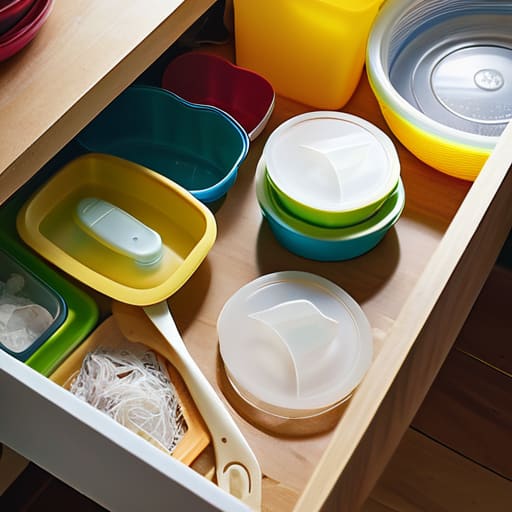
Look, I love a good aesthetic as much as the next person, but I’ve realized that most decluttering methods like KonMari can feel a little… intimidating. There’s this pressure to hold every single object up to the light and ask if it “sparks joy.” That sounds lovely in theory, but when I’m staring at a kitchen drawer full of mismatched Tupperware and old takeout menus, I don’t want a spiritual awakening—I just want to find a lid that actually fits.
The real secret isn’t about finding emotional connections to your stuff; it’s about understanding the decluttering mindset and psychology behind why we hold onto things in the first place. We cling to “just in case” items or things that represent a version of ourselves that doesn’t exist anymore. Instead of waiting for a magical moment of clarity, try shifting your focus from what you love to what actually serves you today. If a gadget hasn’t seen the light of day in two years, it’s not a treasure; it’s just extra weight you’re carrying around. Let’s stop trying to curate a museum and start clearing out the friction.
A Brutally Honest Decluttering Checklist for Beginners Who Are Overwhelmed
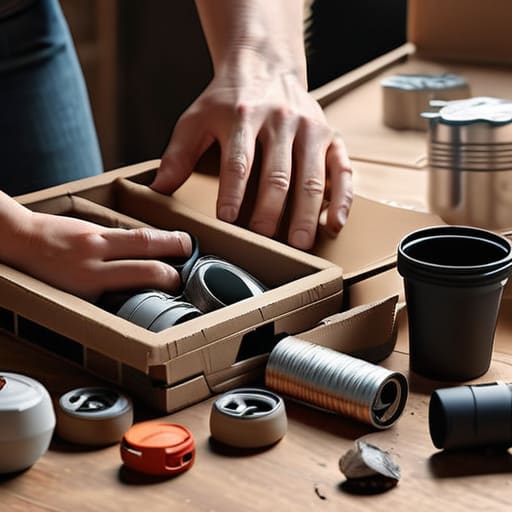
Look, if you’re staring at a mountain of stuff and feeling paralyzed, you don’t need a fancy 50-step masterclass. You just need a way to stop the bleeding. Instead of trying to tackle the whole house in one weekend—which is a one-way ticket to burnout—I want you to use this decluttering checklist for beginners to focus on the low-hanging fruit. Start with the “obvious offenders”: things that are broken, expired, or literally haven’t seen the light of day since your last apartment lease. If it’s missing a piece or doesn’t work, it’s not a “maybe someday” item; it’s just trash.
Next, grab a few sturdy boxes and label them: Donate, Trash, and Relocate. The “Relocate” box is my secret weapon for organizing small spaces because it helps you clear the visual noise without making permanent decisions while you’re stressed. If you find a spatula in your bedroom, don’t just shove it in a drawer; put it in the box. This keeps you moving through the chaos without getting bogged down in the heavy emotional lifting of deciding what to keep. Keep it simple, keep it moving, and don’t aim for perfection.
Five Low-Stress Tactics for When You’re Totally Over It
- Stop trying to do the whole house in a weekend. I used to think I needed a massive burst of motivation to tackle the living room, but that’s how I always end up burnt out and surrounded by half-empty boxes. Instead, give yourself one tiny, manageable zone—like a single junk drawer or your bedside table—and call it a win. Small wins keep you moving; massive projects just keep you paralyzed.
- Use the “Container Concept” to set boundaries. Think of your bookshelves or your linen closet as containers with a fixed capacity. If you have more books than the shelf can actually hold, you don’t need more shelves; you need to decide which books are actually worth the real estate. The container is the boss, not your desire to keep everything “just in case.”
- Be ruthless with the “Duplicate Dilemma.” We all have them—three half-used bottles of multipurpose cleaner, four identical black t-shirts, or a drawer full of random charging cables that don’t even fit our current tech. Pick your favorite, the most functional one, and let the rest go. Having one reliable tool is way better than having five mediocre ones cluttering your space.
- Implement a “One In, One Out” rule to keep the chaos from creeping back in. It’s easy to declutter, but it’s much harder to stay decluttered. If you buy a new cozy sweater, an old one has to go. This simple system forces you to actually consider if a new purchase is worth the space it’s going to take up in your life.
- Don’t let “Sentimental Guilt” stall your progress. I spent years holding onto old concert tickets and chipped mugs because they felt like memories. But here’s the truth: the memory isn’t in the object, it’s in you. If an item is just taking up physical and mental energy without bringing you actual joy, it’s okay to let it go. Take a photo of it if you must, then clear the space.
The Bottom Line: How to Actually Make This Stick
Stop waiting for a “perfect” weekend to start; just grab one single drawer or one messy corner today so you don’t burn out before you even finish.
If an item doesn’t serve a functional purpose or bring you genuine, non-performative joy, it’s just taking up mental energy you don’t have to spare.
Focus on building systems that work for your actual, messy life—not the idealized version of yourself you see on social media.
## The Real Goal of Clearing Space
“Stop trying to curate a museum of your ‘best self’ and just start getting the stuff out of your way; decluttering isn’t about achieving a perfect aesthetic, it’s about making sure your home actually works for you instead of you working for your home.”
Maya Sterling
The Reality Check: You’re Done (For Now)
Look, if you were expecting to finish this and suddenly live in a pristine, white-walled sanctuary where nothing ever touches the floor, I have to break it to you: that’s not how real life works. We’ve covered a lot, from ditching the psychological pressure of “perfect” organization to using a checklist that actually fits into a busy schedule. The goal isn’t to reach some mythical state of permanent emptiness; it’s about removing the friction from your daily routine. Whether you cleared out a single junk drawer or tackled the entire guest room, you’ve successfully reclaimed a little bit of your mental bandwidth. Just remember that systems beat aesthetics every single time, so keep your methods simple and keep them functional.
At the end of the day, please be kind to yourself when the clutter inevitably starts to creep back in—because it will. Life is messy, and sometimes a pile of mail on the counter is just a sign that you’re actually living your life instead of just managing your belongings. Don’t let the pursuit of a tidy home become another chore that drains your energy. Treat decluttering as a tool to serve you, not a standard you have to perform. You don’t need a curated life to have a good life, so just take it one drawer at a time and keep moving forward.
Frequently Asked Questions
I want to start, but I’m terrified of getting halfway through a room and ending up with a bigger mess than when I started—how do I prevent that?
I totally get that fear—I’ve definitely been there, standing in a sea of half-empty drawers feeling like I’ve just broken my house. My golden rule? Never clear a surface unless you have a designated “landing zone” ready. Before you pull a single thing out of a cabinet, clear off a table or a corner of the floor to act as your staging area. If you run out of space to sort, stop. Period.
What do I actually do with all the stuff I decide to get rid of so it doesn't just end up in a landfill or sitting in my hallway for months?
The “doom pile” in your hallway is the ultimate decluttering killer. To stop the cycle, you need an exit strategy before you even start sorting. For clothes, grab a heavy-duty bag and drop them at a local thrift store or a textile recycler. For usable household goods, try a “Buy Nothing” group on Facebook—it’s a lifesaver for getting stuff to neighbors immediately. If it’s truly broken, aim for e-waste recycling. Just get it out of your sight.
How do I deal with the guilt of getting rid of things that were expensive or were "sentimental gifts" from family members, even if I never use them?
Look, I’ve been there. I once kept a designer vase for two years just because it was expensive, even though it just gathered dust and stressed me out. Here’s the truth: the money is already gone. Keeping it won’t refund your bank account, it just takes up your mental energy. For gifts, try this: take a high-quality photo of it. You keep the memory without the physical clutter. Honor the sentiment, not the stuff.