I am so tired of seeing those “budget meal” videos where the creator spends $80 on organic microgreens and artisanal sourdough just to tell you how to save money. Let’s be real: if your grocery haul looks like a curated spread for a lifestyle magazine, it’s not helping anyone who is actually trying to manage a real-world paycheck. I’ve spent plenty of nights staring into a near-empty fridge, realizing that true budget friendly meals aren’t about finding some magical, cheap superfood; they are about making the most of the basic, unglamorous staples we already have in our cupboards.
I’m not here to sell you on a Pinterest-perfect pantry or a complicated meal prep system that takes four hours every Sunday. Instead, I’m going to share the actual, messy methods I use to keep myself fed without breaking the bank or losing my mind. We’re going to focus on high-flavor, low-effort cooking that works for busy people with actual lives. No performative perfection here—just honest, tested advice on how to eat well when your bank account is telling you to keep it simple.
Table of Contents
- Economical Meal Planning Without the Performative Perfection
- Affordable Protein Sources for People Who Hate Food Waste
- My Low-Stress Rules for Keeping the Grocery Bill Under Control
- The Bottom Line: How to Eat Well Without Going Broke
- The Reality of the Grocery Run
- The Bottom Line (and Your Sanity)
- Frequently Asked Questions
Economical Meal Planning Without the Performative Perfection

Honestly, I used to spend my Sundays staring at a blank meal planner, feeling like if I didn’t have a color-coded spreadsheet of organic kale and quinoa, I was failing at adulthood. But here’s the truth: that kind of rigid planning is a one-way ticket to burnout and wasted money. Real economical meal planning isn’t about following a strict recipe book; it’s about looking at what you already have and being flexible. If you have a bag of lentils and some wilted spinach, that’s not a failure—it’s a soup.
Instead of aiming for culinary masterpieces, I focus on building a rotation of pantry staple recipes that require zero brainpower. I lean heavily on things like beans, oats, and frozen veggies because they’re reliable and won’t rot in my crisper drawer if I have a busy work week. My goal isn’t to post a photo of a gourmet spread; it’s to make sure I’m not hitting the takeout app at 7:00 PM because I’m too tired to think. It’s about eating well on a tight budget without the unnecessary stress of perfection.
Affordable Protein Sources for People Who Hate Food Waste
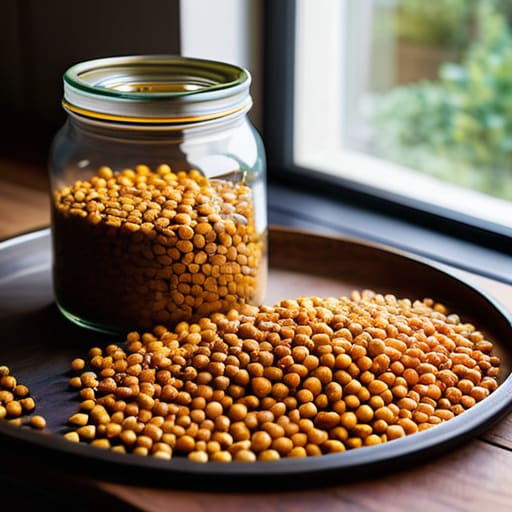
Let’s talk about the biggest budget killer: protein that goes bad in the back of your fridge before you even get a chance to cook it. If you’re tired of throwing away expensive steak or chicken breasts, it’s time to pivot toward affordable protein sources that actually have a shelf life. I’ve leaned heavily on dried lentils and canned chickpeas lately. They are incredibly cheap, they don’t expire in three days, and they are the ultimate foundation for pantry staple recipes that don’t require a trip to the store every time you want a decent meal.
If you do want to buy meat, my rule is simple: buy it in bulk and freeze it immediately in single-serving portions. This is one of my favorite low cost grocery shopping tips because it stops that “guilt spiral” when you realize you bought too much. Eggs are another lifesaver; they’re versatile, filling, and much more forgiving than a piece of salmon. Honestly, whether it’s a bean chili or a quick egg scramble, the goal is to keep your protein functional and accessible without the constant fear of food waste.
My Low-Stress Rules for Keeping the Grocery Bill Under Control
- Shop your own pantry before you even touch your keys. I’ve spent way too many nights buying a new jar of cumin only to find three half-used ones hiding in the back of my cabinet. If you can build a meal around what you already own, you’re basically giving yourself a tiny raise.
- Embrace the “frozen is fine” philosophy. I know, the organic, farm-to-table crowd might cringe, but frozen veggies are cheaper, they don’t rot in my crisper drawer after three days, and they’re just as nutritious. It’s a win for my wallet and my sanity.
- Stop buying pre-cut stuff. I used to pay a premium for bagged salads and pre-chopped onions because I was “busy,” but it’s a total money pit. Grab the whole head of lettuce and a bag of onions; it takes five extra minutes, but those saved dollars add up fast.
- Master the art of the “repurpose.” If I make a big batch of roasted chicken on Sunday, Monday’s dinner isn’t a whole new recipe—it’s just chicken tacos. Using leftovers as a base for something else prevents that mid-week “I’m too tired to cook” takeout trap.
- Buy the generic version unless the name brand is actually better. For staples like salt, flour, or canned beans, there is almost zero difference. Don’t pay for a fancy label when the store brand does the exact same job.
The Bottom Line: How to Eat Well Without Going Broke
Forget the fancy meal prep containers; just focus on buying versatile staples like beans, grains, and frozen veggies that you can actually use in multiple ways.
Stop aiming for a five-star menu every night and accept that a simple, repetitive meal is a massive win if it keeps you fed and stays under budget.
Treat food waste like a leak in your bank account—use whatever is wilting in the crisper drawer for a soup or a stir-fry instead of tossing it.
The Reality of the Grocery Run
“Stop trying to meal prep like you’re running a Michelin-star kitchen on a Sunday afternoon; just focus on buying ingredients that actually play well together so you aren’t throwing half your groceries in the trash by Wednesday.”
Maya Sterling
The Bottom Line (and Your Sanity)
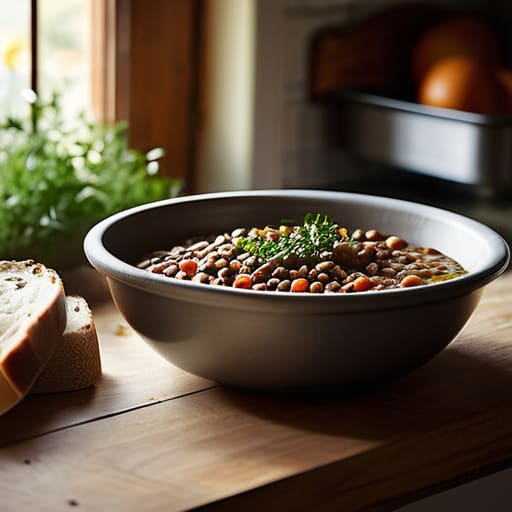
At the end of the day, eating well on a budget isn’t about mastering a complex spreadsheet or buying every trendy superfood that hits the shelves. It’s really just about a few practical shifts: planning around what you actually eat, choosing versatile proteins that won’t end up rotting in the crisper drawer, and embracing the fact that a meal can be unfanciful and still delicious. You don’t need a color-coordinated pantry to save money; you just need to stop overcomplicating the process. When you focus on functional eating rather than aesthetic plating, you reclaim both your time and your hard-earned cash.
If you’re feeling overwhelmed by the sheer cost of groceries lately, please know that you aren’t alone. I’ve had plenty of weeks where “dinner” was just some toasted bread and a can of chickpeas, and honestly? That was a win. The goal isn’t to become a gourmet chef overnight; it’s to build systems that work for your actual, busy, slightly chaotic life. So, grab that multi-tool, open the pantry, and just start where you are. You’ve got this, and I promise that even the messiest, cheapest meal is a step in the right direction toward feeling more in control.
Frequently Asked Questions
How do I actually stick to a meal plan when my work schedule goes completely sideways?
Honestly, the “perfect” plan is usually the first thing to die when a deadline hits. When my schedule goes sideways, I stop trying to cook recipes and start relying on “assembly meals.” Keep some frozen veggies, a bag of pre-cooked quinoa, and canned chickpeas on hand. If I can throw them in a bowl with some hot sauce in five minutes, I’ve won. Don’t aim for a gourmet dinner; just aim for fuel.
What are some ways to make cheap, repetitive meals feel less like a chore and more like something I actually want to eat?
The trick is to stop thinking about “recipes” and start thinking about “templates.” If you’re eating the same bowl of grains and roasted veggies every night, change the vibe with one single ingredient. Switch from soy sauce to a squeeze of lime and some hot sauce one night, then go with feta and dried oregano the next. It’s the same base, but it stops feeling like you’re eating leftovers from a survivalist camp.
Is it really cheaper to buy in bulk, or am I just spending more money upfront on stuff that might go bad?
Honestly? It’s a trap if you aren’t careful. Buying a massive bag of quinoa is a win if you actually eat it, but if that giant tub of specialty spices sits in your pantry for two years gathering dust, you didn’t save money—you just donated it to your cupboard. My rule of thumb: bulk up on the non-perishables (grains, beans, frozen veggies) and stick to small packs for the stuff that spoils fast.