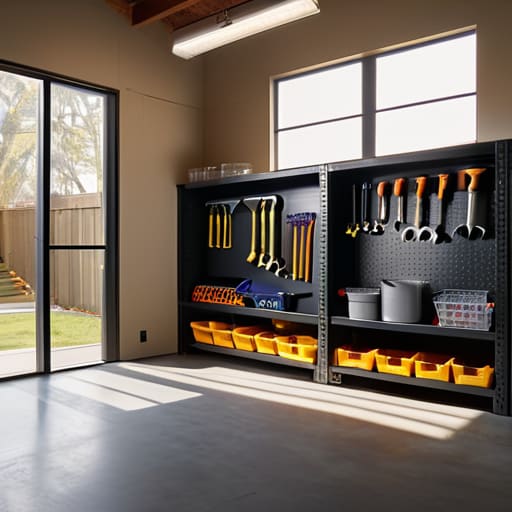
If you’ve spent any time on social media lately, you’ve probably seen those “garage transformation” videos where everything is color-coded in expensive, custom-fitted acrylic bins that cost more than my monthly groceries. Honestly? It’s exhausting. I’m so tired of the idea that learning how to organize your garage requires a massive renovation budget and a degree in interior design. Most of those setups look great for a ten-second reel, but the second you actually try to use a screwdriver or grab a bag of potting soil, the whole “aesthetic” falls apart. We don’t need performative perfection; we just need to be able to find the jumper cables without a scavenger hunt.
I’m not here to sell you on a lifestyle overhaul or a trip to a high-end specialty store. Instead, I want to share the messy, tested systems I’ve used to turn my own chaotic storage space into something that actually works for my real life. I’ll show you how to prioritize function over fashion so you can reclaim your space without losing your mind—or your entire savings account. Let’s focus on smart, low-cost layouts that make sense for your actual tools and gear.
Table of Contents
- A Brutal Garage Decluttering Checklist for the Overwhelmed
- Ditch the Aesthetics for Practical Garage Storage Solutions
- Five Low-Stress Ways to Keep the Chaos at Bay
- The Bottom Line: How to Keep Your Garage from Reclaiming Your Life
- The Reality Check
- Don't Aim for Perfection, Aim for Function
- Frequently Asked Questions
A Brutal Garage Decluttering Checklist for the Overwhelmed
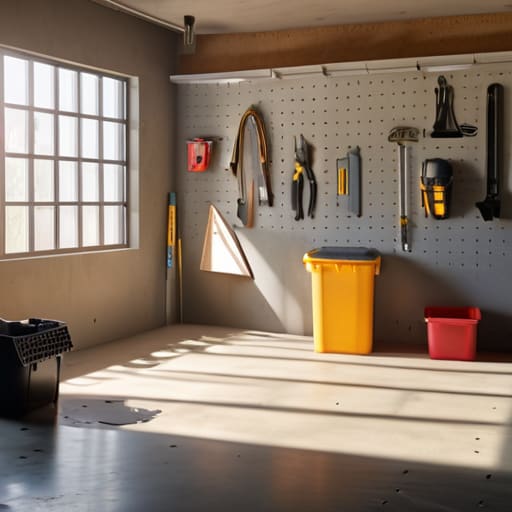
Look, I know the feeling. You walk into the garage and it feels less like a workspace and more like a graveyard for things you “might need someday.” Before we even talk about fancy garage shelving systems, we have to face the music. You can’t organize clutter; you can only get rid of it. Grab a stack of heavy-duty trash bags and three large boxes labeled Keep, Donate, and Sell. My rule of thumb? If you haven’t touched it in two years, it’s probably just taking up valuable real estate.
As you work through this garage decluttering checklist, don’t get bogged down in the sentimental stuff. Focus on the big categories first: seasonal decor, old sports gear, and those mysterious half-empty cans of paint. I used to keep every single scrap of cardboard “just in case,” but it was actually just cluttering my mental space along with my physical one. Once you’ve cleared the floor, you’ll finally see the true potential of your space, making it much easier to actually implement some functional garage storage solutions.
Ditch the Aesthetics for Practical Garage Storage Solutions
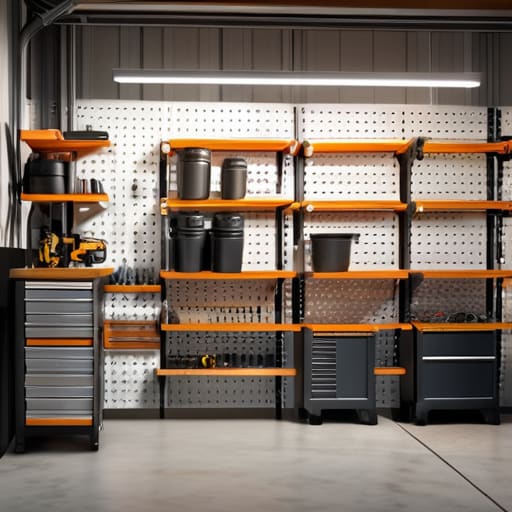
Look, I know the temptation to head to a big-box store and buy a matching set of expensive, color-coded bins is real. But unless you actually enjoy spending your Saturday afternoons unboxing plastic, let’s skip the performative stuff. Instead of chasing a specific “look,” I focus on maximizing small garage space by thinking about how I actually move through the room. If you have to shuffle three heavy boxes just to reach your drill, the system has already failed you.
My go-to strategy is leaning heavily into vertical wall storage ideas. Getting everything off the floor is the single biggest win you can have. I’m talking pegboards for your most-used hand tools, heavy-duty hooks for the garden gear, and sturdy garage shelving systems for the bulkier stuff like extra mulch or those half-empty paint cans. It doesn’t have to be pretty; it just needs to be reachable. If you can see what you have at a glance, you’ll stop buying duplicates of things you already own, which is the ultimate win for your budget and your sanity.
Five Low-Stress Ways to Keep the Chaos at Bay
- Stop buying matching bins. I used to think I needed a color-coordinated system, but honestly? Just grab sturdy, clear plastic tubs so you can actually see what’s inside without digging through everything. If it’s clear, you’ll use it; if it’s opaque, it’s just a graveyard for stuff you forgot you owned.
- Get everything off the floor. The floor is for cars and maybe a rogue lawnmower, not for a pile of random boxes. Even a cheap heavy-duty wire shelf from a big-box store changes the entire vibe of the room because suddenly, you have actual walking space again.
- Use your vertical space like a pro. If you have a wall, use it. Pegboards are great, but even just mounting some basic hooks for your garden tools or hanging your bikes saves so much precious real estate. If it can hang, hang it.
- Create “Zone Stations” based on how you actually live. Don’t just throw things in a corner. Group your stuff: a “Garden Zone” with your trowels and soil, a “Tool Zone” for the heavy stuff, and a “Seasonal Zone” for the holiday decor you only touch once a year. It makes finding things much faster when you’re in a rush.
- Label everything—even if it feels extra. I’m a big believer in the “label it or lose it” rule. Use a Sharpie on masking tape if you want to keep it low-key, but knowing exactly which bin holds the camping gear versus the car maintenance supplies saves you from a massive headache later.
The Bottom Line: How to Keep Your Garage from Reclaiming Your Life
Stop aiming for a showroom; focus on “zones” that actually match how you move through the space, whether that’s a quick spot for sports gear or a dedicated corner for your tools.
Invest in heavy-duty, functional storage like pegboards or sturdy shelving rather than expensive, matching plastic bins that look pretty but break under the weight of real life.
Maintenance is easier when you have a “one-in, one-out” rule—if you buy a new power tool, something old and broken needs to find its way to the donation bin or the trash.
The Reality Check
“Your garage isn’t a showroom for expensive custom cabinetry; it’s a workspace. Stop trying to make it look like a magazine spread and start making it work for the person who actually has to find a screwdriver at 7:00 AM on a Tuesday.”
Maya Sterling
Don't Aim for Perfection, Aim for Function
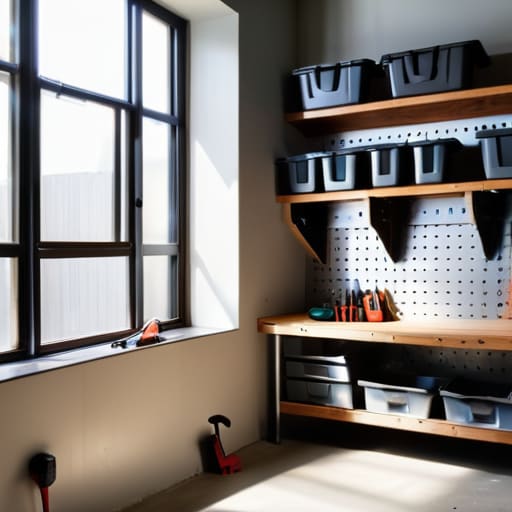
At the end of the day, organizing your garage isn’t about creating a showroom that looks like it belongs in a magazine; it’s about making sure you aren’t hunting for a screwdriver for twenty minutes every time you have a project. We’ve covered everything from that brutal decluttering checklist to ditching the expensive, color-coded bins in favor of storage that actually makes sense for your workflow. Remember, the goal is to get the heavy stuff off the floor, create a logical home for your tools, and build a system that actually works for your real life, not a curated version of it.
If you’re feeling stuck, just start with one corner or even just one single shelf. You don’t have to tackle the entire mountain in one weekend, and you definitely don’t need a massive budget to see a massive difference. Life is messy enough without your workspace adding to the chaos. Once you have a few functional systems in place, you’ll realize that true peace of mind doesn’t come from a perfectly aesthetic garage, but from knowing exactly where your stuff is when you need it. Now, grab that multi-tool of yours and just get started.
Frequently Asked Questions
I have a mountain of stuff but zero floor space; where do I even start if I can't move anything around to sort it?
I’ve been exactly where you are—standing in the doorway, staring at a literal wall of stuff. When you can’t even walk to the back to sort things, stop trying to “organize” and start “clearing paths.” Grab a trash bag and a “donate” box. Focus only on the stuff you can reach without moving anything else. If it’s trash or something you haven’t touched in two years, get it out. Create a tiny walking path first; movement creates momentum.
Do I really need to invest in expensive heavy-duty shelving, or can I make something work with what I already have?
Honestly? Please don’t go dropping hundreds on heavy-duty metal shelving just yet. Unless you’re storing actual engine blocks, you probably don’t need them. I’ve spent way too much time trying to “buy my way” into organization before realizing I already had what I needed. Check your basement or attic for old wooden shelves, or even repurpose some sturdy plastic bins as makeshift risers. Let’s see what you can hack together first before we spend the grocery money on steel.
How do I stop the "clutter creep" from happening again three months after I finally get everything put away?
The secret is to stop treating your garage like a museum and start treating it like a transit station. Clutter creeps back in when things don’t have a “home” that’s actually easy to reach. I follow one rule: if it takes more than two steps to put something away, it’s going to end up on the floor. Build “landing zones” for the stuff you use weekly, and don’t be afraid to re-evaluate your bins every few months.