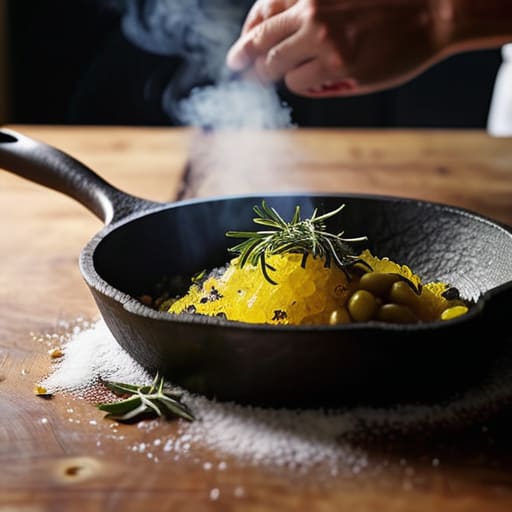
I used to think that if I didn’t have a perfectly printed, color-coded recipe card laid out on my counter, I was basically inviting a kitchen disaster. I spent way too many years staring at ingredient lists, stressing over whether I had exactly two teaspoons of smoked paprika or if I was accidentally ruining a meal by winging it. But honestly? Most of those “step-by-step” guides are just a way to make cooking feel more intimidating than it actually is. Learning how to cook without a recipe isn’t about being a professional chef; it’s about realizing that your pantry is smarter than you think and that intuition beats instructions every single time.
I’m not here to give you some flowery, aesthetic culinary lecture. Instead, I want to show you the messy, practical systems I use to turn a random assortment of wilting spinach and half an onion into a decent dinner. We’re going to talk about flavor profiles, how to trust your taste buds, and the functional shortcuts that actually save you time and money. No performative perfection here—just real ways to feed yourself using what you’ve already got.
Table of Contents
- Mastering Flavor Balancing Principles Over Perfect Measurements
- Pantry Staple Cooking for Real Life Not Food Stylists
- Five ways to stop staring at your screen and start actually cooking
- The Cheat Sheet for Cooking on the Fly
- ## The Real Secret to Cooking
- Ditch the Script and Just Eat
- Frequently Asked Questions
Mastering Flavor Balancing Principles Over Perfect Measurements
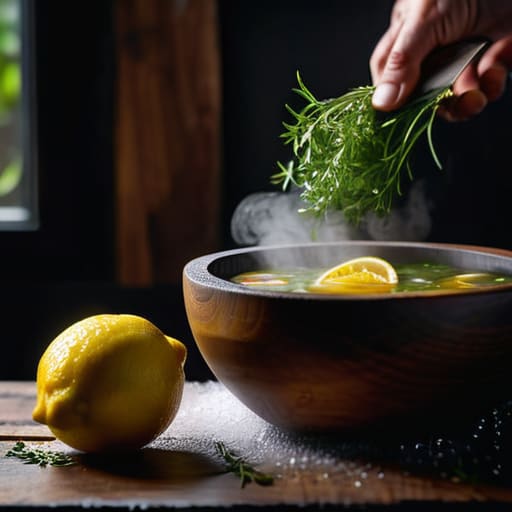
Instead of obsessing over whether you added exactly one teaspoon of cumin, start focusing on the actual flavor balancing principles that make a dish sing. Think of your palate as a scale. If a soup tastes flat, it usually isn’t missing more salt; it’s likely missing an acid, like a squeeze of lemon or a splash of vinegar, to wake everything up. When you stop viewing ingredients as rigid math problems and start seeing them as tools to adjust brightness, richness, or heat, you’ve officially graduated from following instructions to actually cooking.
I used to get so paralyzed by the fear of “ruining” a meal that I’d follow a recipe to the letter, even when my ingredients tasted different than the ones in the photo. Now, I rely on seasoning to taste as I go. If a sauce feels too heavy, I add something sharp. If it’s too spicy, I reach for a bit of fat or sugar. It’s about building a profile through trial and error, not through a checklist. Once you trust your tongue more than the printed page, the kitchen becomes a lot less intimidating and a lot more fun.
Pantry Staple Cooking for Real Life Not Food Stylists
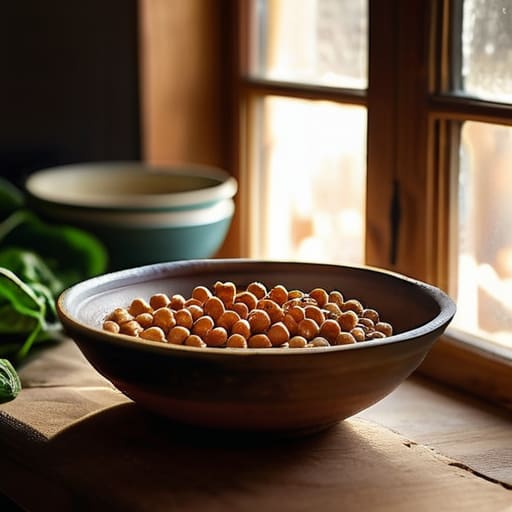
Let’s be real: most of the time, I’m not standing in a kitchen stocked with organic microgreens and artisanal oils. I’m usually staring at a half-empty cupboard at 6:30 PM, wondering how to turn a can of chickpeas and some wilted spinach into something that doesn’t feel like a chore to eat. This is where pantry staple cooking becomes your best friend. Instead of running to the store because you’re missing one specific dried herb, look at what you actually have. If a recipe calls for lemon but you only have apple cider vinegar, use it. If you’re out of heavy cream, a splash of milk and a bit of butter will do the trick.
The secret isn’t about following a strict ingredient list; it’s about understanding cooking techniques like sautéing or simmering so you know how to coax flavor out of whatever is available. I’ve learned that most meals are just a series of simple additions. Once you get comfortable with seasoning to taste and swapping things out on the fly, the fear of “doing it wrong” completely vanishes. You aren’t cooking for a photoshoot; you’re cooking to fuel your life.
Five ways to stop staring at your screen and start actually cooking
- Learn the “Acid Fix.” If you take a bite of something and it tastes… flat, or just heavy, don’t reach for more salt. Reach for a squeeze of lemon or a splash of vinegar. It’s like turning the lights on in a dark room; it wakes up all the other flavors without making the dish saltier.
- Build a “flavor base” every single time. Before you even think about the main ingredient, get your aromatics going. Sautéing some garlic, onions, or ginger in oil isn’t just a step; it’s the foundation. If you skip this, your food will always taste like it’s missing something, no matter how much expensive protein you throw in.
- Use your nose and your eyes, not just the timer. A recipe might say “cook for ten minutes,” but your stove might be running hot and your kitchen might be humid. If the onions look golden and smell sweet, they’re done. Trust your senses more than the digital clock on your microwave.
- Embrace the “one-pot” mentality to save your sanity. When you’re cooking without a plan, don’t feel like you need five different pans. Throw your veggies, starch, and protein into one heavy pot or a sheet pan. It makes the actual cooking less intimidating and, more importantly, means you aren’t staring at a mountain of dishes after you finally eat.
- Keep a “cheat sheet” of textures. If your meal is all soft (think mashed potatoes and steamed fish), it’s going to feel boring. Always aim for a crunch. Throw some toasted nuts on top, add some raw radish slices, or even just some crusty bread. That contrast is what makes a “random pile of food” feel like an actual intentional meal.
The Cheat Sheet for Cooking on the Fly
Stop treating recipes like holy texts; instead, treat them as mere suggestions and rely on your own taste buds to tell you when a dish actually needs more acid or salt.
Build a “survival kit” of versatile pantry staples—like canned beans, aromatics, and good oils—so you can whip up a decent meal even when your fridge looks depressing.
Focus on the “why” behind the flavor, not the “how much,” so you can eventually swap out ingredients based on whatever is on sale or actually in your cupboard.
## The Real Secret to Cooking
“A recipe is just a suggestion, not a law; I’d much rather have a delicious, slightly chaotic meal made from whatever’s in my fridge than a mediocre, perfectly measured one that left me hungry for more.”
Maya Sterling
Ditch the Script and Just Eat
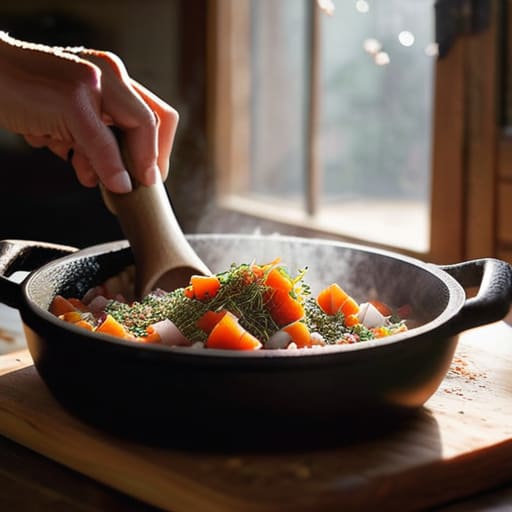
At the end of the day, cooking without a recipe isn’t about becoming a Michelin-star chef overnight; it’s about moving away from the stress of “doing it wrong” and moving toward intuition. We’ve covered how to balance your flavors by tasting as you go, how to rely on those trusty pantry staples instead of a frantic grocery run, and why you don’t need a perfectly curated kitchen to make something delicious. Once you stop treating every meal like a high-stakes chemistry exam and start seeing it as a way to use what you actually have, the kitchen stops being a place of chore-induced anxiety and starts being a place of possibility.
I know it feels intimidating to step away from the step-by-step instructions, especially when you’re tired after a long workday. But I promise you, the most memorable meals I’ve ever made weren’t the ones that followed a strict list of measurements—they were the ones where I just listened to what the food needed in the moment. So, next time you’re staring at a random head of broccoli and some leftover rice, don’t reach for your phone to search for a tutorial. Just grab a pan, trust your senses, and make something that tastes good to you. You’ve got this.
Frequently Asked Questions
What do I do if I accidentally over-season something and it tastes completely off?
Don’t panic—I’ve definitely been there, usually right when I’m hungry and ready to call it a night. If it’s too salty, try adding an acid like lemon juice or vinegar to cut through it, or toss in a starch like a potato to soak up some of that excess. If it’s too spicy, a dollop of Greek yogurt or a splash of cream can save the dish. Just lean into the fix!
Are there certain types of ingredients that are just "off-limits" when I'm trying to wing it?
Honestly, nothing is strictly “off-limits,” but I’d say steer clear of anything hyper-specific or temperamental if you’re truly winging it. Think delicate microgreens that wilt in seconds or expensive, niche spices that only work in one specific dish. If you don’t know the “vibe” of an ingredient, don’t gamble your dinner on it. Stick to the heavy hitters—garlic, onions, acids, and fats—and build your confidence from there.
How do I know when a dish is actually finished cooking if I'm not following a specific timer?
Honestly, this was the hardest thing for me to learn because I used to be a slave to the kitchen timer. Now? I rely on my senses. For proteins, I stop looking at the clock and start looking at the texture or using a thermometer—it’s much more reliable. For veggies, I look for that specific “tender-crisp” snap. Basically, if it looks right, smells right, and tastes right, it’s done. Trust your gut, not the microwave beep.