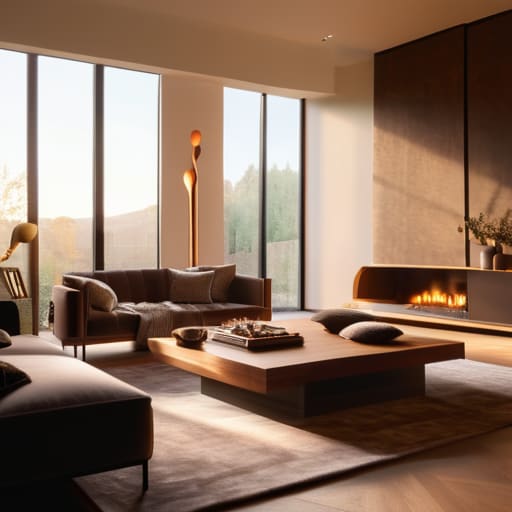
I was sitting in my living room last Tuesday, squinting at a book while a single, harsh overhead light turned my cozy apartment into a sterile interrogation room. It’s that classic struggle, isn’t it? You scroll through design blogs only to find these incredibly expensive, “aesthetic” setups that look great in a photo but are completely useless for actually living your life. We’ve been sold this idea that good home lighting tips require a massive renovation or a designer’s budget, when in reality, most of that high-end glow is just clever layering that anyone can replicate.
I’m not here to tell you to go out and buy a $500 sculptural floor lamp just because it looks good on a mood board. Instead, I want to share the scrappy, functional methods I’ve used to transform my own space without draining my savings. We’re going to talk about how to use light to actually see what you’re doing—whether you’re tending to your herbs or finishing a project—while still making the room feel warm. This is about real-world lighting that works for your budget and your actual lifestyle.
Table of Contents
- Mastering Layered Lighting Techniques Without the Expensive Decor
- Warm vs Cool Light Temperatures Finding Your Functional Vibe
- 5 Low-Effort Hacks to Stop Living in a Cave
- The Quick Cheat Sheet for a Brighter (and Cheaper) Space
- The Real Goal of Good Lighting
- Lighting That Actually Works for Your Real Life
- Frequently Asked Questions
Mastering Layered Lighting Techniques Without the Expensive Decor
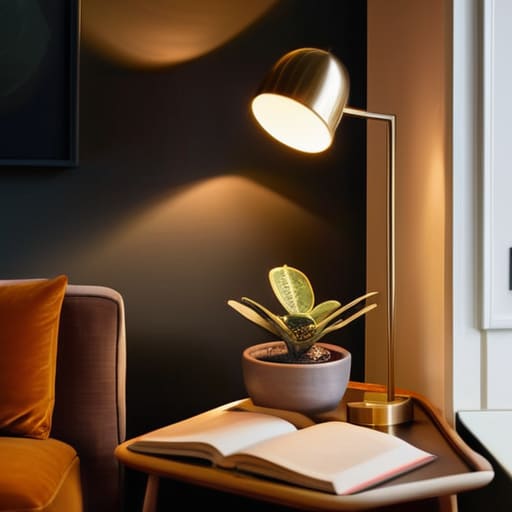
If you’ve ever looked at a designer showroom and felt immediately broke, I get it. You don’t need a massive renovation to get that cozy, intentional feel; you just need to understand layered lighting techniques. Most people make the mistake of relying on that one, soul-crushing overhead light that makes everything look like a sterile hospital wing. Instead, I like to think in terms of ambient and task lighting. For my little apartment, that means keeping the big light off and instead using a floor lamp for general glow and a small, dedicated desk lamp for when I’m actually trying to focus on a spreadsheet.
The real secret to making this work on a budget, though, is paying attention to warm vs cool light temperatures. I used to buy whatever bulbs were on sale, only to realize my living room felt like a fluorescent-lit office. Now, I stick to “warm white” bulbs for everything except my workspace. If you can swing one small DIY upgrade, install a simple plug-in dimmer. It’s a total game-changer for setting the mood without needing to buy a single piece of expensive new decor.
Warm vs Cool Light Temperatures Finding Your Functional Vibe
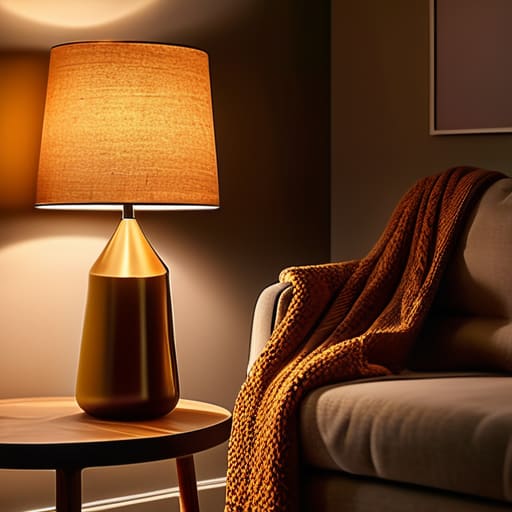
I used to think all light bulbs were created equal, but I quickly learned that picking the wrong “temperature” can make even the coziest room feel like a sterile doctor’s office. When you’re looking at the packaging, you’ll see those Kelvin numbers. For my living room and bedroom, I lean heavily into warm vs cool light temperatures by choosing anything in the 2700K to 3000K range. It creates that soft, golden glow that actually helps you wind down after a long day of project managing.
On the flip side, I save the cooler, crisper light for my workspace. If I’m staring at a spreadsheet or trying to prep a meal in the kitchen, I need that higher Kelvin count to stay alert. It’s all about balancing ambient and task lighting so you aren’t squinting through a dim haze when you’re trying to be productive. Pro tip: don’t feel like you have to commit to one bulb type for the whole house. Mix them up based on what you’re actually doing in each corner, and your brain will thank you.
5 Low-Effort Hacks to Stop Living in a Cave
- Stop relying on that one big “big light” in the center of the room. It’s harsh, it’s unflattering, and it kills the mood. Instead, grab a few cheap floor lamps and tuck them into corners to bounce light off the walls; it makes the whole room feel bigger and way less clinical.
- If you’re tired of fumbling for switches in the dark, get some motion-sensor LED strips for your pantry or under the bathroom vanity. They’re super inexpensive, stick right on, and honestly, they make me feel like I actually have my life together when I’m making midnight snacks.
- Don’t go overboard with smart bulbs if you’re on a budget. Just pick one or two for the spots where you actually spend time—like your reading nook or your desk—so you can dim them with your phone when your brain needs to wind down.
- Use task lighting where it actually matters. If you’re working at your kitchen table or a desk, a simple, sturdy desk lamp is a game changer. It saves your eyes from strain and keeps you from feeling like you’re squinting through a fog.
- Clean your bulbs and shades. I know, it sounds like a chore, but dust buildup acts like a literal filter that makes your light look dim and muddy. A quick wipe-down with a microfiber cloth can actually make your existing setup feel much brighter.
The Quick Cheat Sheet for a Brighter (and Cheaper) Space
Stop relying on that one harsh overhead light; instead, layer in cheap floor lamps or even a string of warm LEDs to actually make a room feel lived-in.
Stick to warm-toned bulbs (around 2700K) for your chill zones like the bedroom or living room so you aren’t accidentally living in a sterile hospital ward.
Invest in smart bulbs rather than fancy new fixtures—it’s the easiest way to change the mood from “cleaning mode” to “relaxing mode” without spending a fortune on decor.
The Real Goal of Good Lighting
“Stop worrying about whether your living room looks like a staged showroom; just focus on making sure you have enough light to actually read your book or cook a meal without squinting.”
Maya Sterling
Lighting That Actually Works for Your Real Life
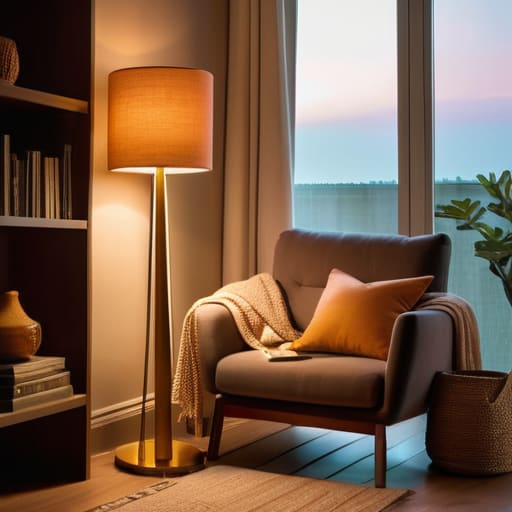
At the end of the day, getting your lighting right isn’t about recreating a high-end showroom or following every strict design rule you see on Instagram. It’s really just about the basics we’ve covered: layering your light so you aren’t squinting in a dark corner, and picking the right color temperature so your living room doesn’t feel like a sterile hospital wing. You don’t need a massive renovation or a designer’s budget to make these changes. Whether it’s swapping out a single bulb or finally putting that floor lamp in the corner where you actually read, these small, functional shifts make a massive difference in how your home feels when you’re actually living in it.
I know how easy it is to feel overwhelmed by “home improvement,” especially when it feels like you have to do everything perfectly to see results. But please, give yourself some grace. Your home is meant to be a sanctuary for you, not a curated set for a photoshoot. If your lighting setup is a little mismatched but it helps you feel calm after a long day of freelance chaos, then you’ve absolutely won. Start small, use what you have, and focus on creating a space that serves you, not just one that looks good in a thumbnail.
Frequently Asked Questions
I don't want to spend a fortune—are there cheap ways to add accent lighting without doing any actual electrical work?
Honestly, you don’t need an electrician to get that cozy vibe. I’m a huge fan of battery-operated LED puck lights; just stick them under your kitchen cabinets or inside a bookshelf to create instant depth. If you want something even easier, grab some plug-in fairy lights or a cheap smart LED strip. Hide them behind your TV or along a baseboard. It adds all that “wow” factor without the headache of wiring.
How do I stop my living room from feeling like a sterile doctor's office when I'm trying to use brighter bulbs for reading?
I’ve been there—staring at a room that feels more like a clinic than a sanctuary. The trick is to stop relying on that single, harsh overhead light. If you need bright bulbs for reading, keep them in a dedicated task lamp near your chair, but swap out your main ceiling light for something with a warmer Kelvin rating. It’s all about contrast; use the bright light where you need it, and let the rest of the room stay soft.
Is it actually worth the investment to get smart bulbs, or am I better off just sticking to traditional dimmers?
Honestly, it depends on how much you value convenience over simplicity. If you’re renting or don’t want to mess with wiring, smart bulbs are a total lifesaver—you just screw them in and you’re done. But if you want that tactile, satisfying click of a switch, traditional dimmers are much more reliable. My take? Get smart bulbs for your lamps and task lighting, but stick to dimmers for your main overheads. It’s the best of both worlds.