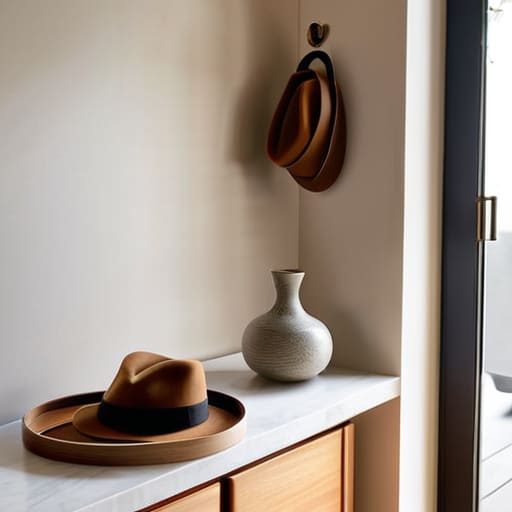
I am so tired of seeing those “dream entryway” posts on Instagram, you know? The ones with the custom-built white oak benches, perfectly color-coordinated baskets, and zero signs of actual human life. Let’s be real: if you actually tried to maintain a showroom-ready foyer, you’d spend more time dusting decorative trays than actually living your life. Most of that expensive, high-maintenance home entry organization advice is just performative clutter disguised as aesthetic. I don’t want a museum in my hallway; I just want to stop tripping over a mountain of sneakers and losing my keys every single time I walk through the door.
In this post, I’m stripping away the fluff and sharing the messy, tested systems that actually work for real people with real schedules. I’m talking about the cheap, functional hacks—like heavy-duty hooks and repurposed bins—that turn a chaotic pile of mail and coats into a streamlined zone. I promise no Pinterest-perfect illusions here, just straightforward, budget-friendly methods that prioritize function over fashion so you can finally reclaim your space.
Table of Contents
Small Entryway Decluttering Tips That Actually Work
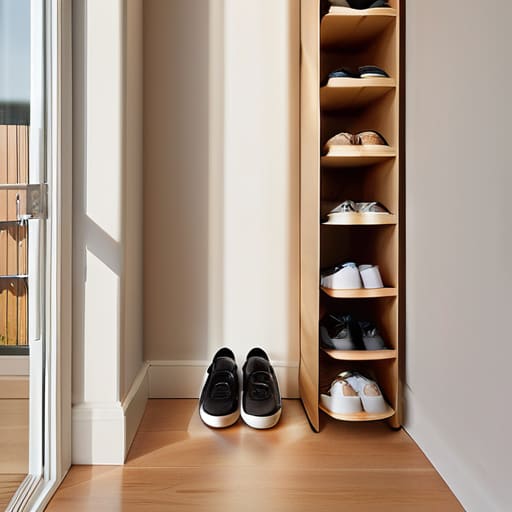
If you’re living in a space where your “entryway” is basically just a narrow hallway or a corner of the living room, the standard advice to “buy a massive mudroom bench” is completely useless. Instead, focus on verticality. When floor space is at a premium, I’ve found that organizing entryway shoe racks vertically—think slim, stackable tiers rather than those bulky wooden cubbies—makes a massive difference. It keeps the walkway clear so you aren’t doing a frantic little dance around a pile of sneakers every time you come home from work.
The real secret to keeping the chaos from spreading into your kitchen or living area is creating a designated “landing strip.” You don’t need a built-in command center for families; just a single, sturdy basket or a small floating shelf can act as a boundary. I use a small tray for my keys and my multi-tool, and a dedicated bin for the mail that actually needs reading. By setting these small boundaries, you prevent the “drift” that happens when random items slowly colonize your entire home.
Mudroom Storage Solutions for the Daily Chaos
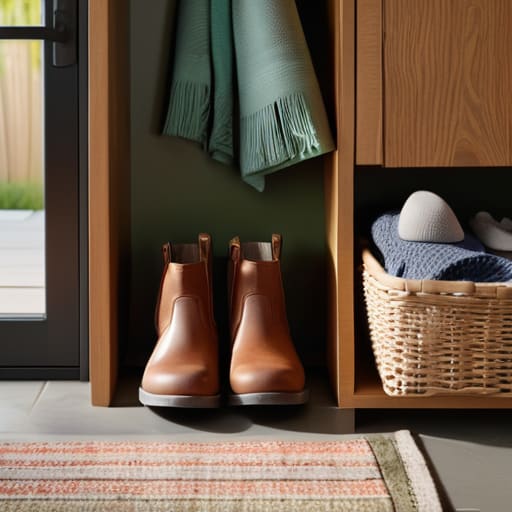
If you’re lucky enough to have a dedicated mudroom, you know it’s usually the first place to succumb to the “chaos creep.” It starts with one pair of muddy boots, and suddenly, you can’t even see the floor. Instead of trying to curate a showroom, I focus on mudroom storage solutions that actually handle the heavy lifting. I’m a huge fan of an entryway bench with storage—not just because it gives you a place to sit while wrestling with kids’ laces, but because those deep bins are lifesavers for hiding the seasonal stuff like winter scarves or stray umbrellas.
For the rest of us, the goal is to create a makeshift command center for families that keeps the mental load low. I like to use heavy-duty hooks rather than those flimsy hangers that break after a week. If you have a bit more floor space, investing in some sturdy, open shelving for organizing entryway shoe racks is a game changer. The trick is to keep it accessible; if it’s too hard to reach, the pile will just end up back on the floor by Tuesday.
Five Low-Effort Hacks to Keep the Chaos at the Door
- Stop trying to find a “pretty” basket for everything. Just grab a few heavy-duty, opaque bins—one for shoes, one for umbrellas, one for mail—and tuck them under a bench. If you can’t see the mess, you’re less likely to feel overwhelmed by it.
- Install a row of sturdy wall hooks instead of a coat rack. Racks are bulky and usually end up as a pile of slumped jackets; hooks let you hang things vertically and keep the floor clear so you aren’t tripping over your own gear.
- Create a “launchpad” station for your essentials. I keep a small, dedicated tray right by the door for my keys, wallet, and that multi-tool I always forget. If it doesn’t have a specific landing spot, it will inevitably end up lost in the couch cushions.
- Use a command center that actually works for your brain. Instead of a fancy chalkboard, use a simple wall calendar and a clip for the “important stuff” like school forms or vet appointments. If it’s not right in your line of sight when you walk in, it doesn’t exist.
- Implement a “one-in, one-out” rule for seasonal gear. When the heavy winter boots come out of storage, the summer sandals go into a bin in the closet. Don’t let your entryway become a graveyard for last season’s clutter.
The Bottom Line: Systems Over Aesthetics
Stop chasing the “perfect” look and start prioritizing what actually stops the pile-up; if a hook or a bin doesn’t solve a specific daily friction point, it’s just more clutter.
Build your entryway around your actual habits—like having a designated “launchpad” for keys and wallets—rather than trying to force yourself into a Pinterest-style routine that doesn’t fit your life.
Remember that organization isn’t a one-time event, but a series of small, functional systems that need to be easy enough to maintain even on your messiest, most exhausted days.
The Reality of the Threshold
“Your entryway isn’t a showroom for a magazine; it’s the buffer zone between the chaos of the world and the peace of your home. Don’t stress about making it look pretty—just make it work so you aren’t fighting your own house the second you walk through the door.”
Maya Sterling
Final Thoughts on Finding Your Flow
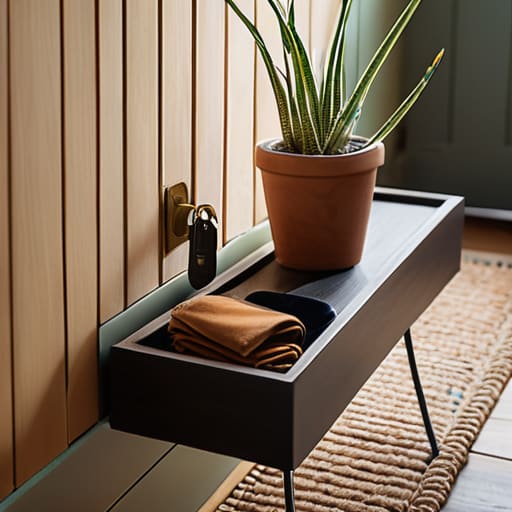
At the end of the day, organizing your entryway isn’t about achieving some curated, magazine-ready look that you can only maintain for twenty minutes. It’s about the small, practical wins: having a dedicated hook for your keys so you aren’t frantically tearing up the couch cushions at 8:00 AM, or using those heavy-duty bins to keep the shoe pile from becoming a tripping hazard. We’ve covered everything from aggressive decluttering to building out actual mudroom-style systems, and the goal is simple: stop the chaos at the door. When you implement these tiny, functional shifts, you aren’t just tidying a room; you’re protecting your peace from the moment you step inside.
Please remember that your home is meant to be lived in, not just looked at. If a system fails because life got messy or you had a hectic week, don’t scrap the whole plan or feel like you’ve failed at “adulting.” Just reset. The most successful systems are the ones that are flexible enough to handle the real, unpolished parts of your life. You don’t need a designer renovation to make your space work for you; you just need a few reliable habits and the right tools. Take it one bin at a time, and give yourself some grace along the way.
Frequently Asked Questions
I have a tiny apartment with almost zero floor space; how do I organize an entryway without it feeling like a cluttered mess?
When you’re dealing with a tiny apartment, floor space is a luxury you just don’t have. Stop trying to find a place for bins on the ground; go vertical. I swear by heavy-duty command hooks or a slim wall-mounted rack for your keys and bags. If you can, grab a narrow floating shelf—it keeps your essentials off the floor but within reach. It’s not about a grand entryway; it’s just about clearing the path.
What are some budget-friendly ways to set up a system if I can't afford expensive custom built-ins or fancy mudroom furniture?
Look, you don’t need a custom carpenter to fix this. I’ve lived in apartments where “built-ins” were a pipe dream, so I rely on the cheap stuff. Grab some heavy-duty command hooks for bags and a few plastic bins from a discount store for shoes. Even a basic IKEA rack or a repurposed bookshelf can do the job. It’s not going to look like a magazine spread, but it’ll keep the floor clear.
How do I keep my family (or roommates) actually following the system I’ve put in place instead of just dumping their stuff on the floor?
Look, I’ve been there. You spend hours setting up the perfect bin system, only to find a mountain of mail and stray socks on the floor by Tuesday. The secret isn’t more containers; it’s lowering the barrier to entry. If the system is too “fussy,” people won’t use it. Make it brainless. Use open baskets instead of lids, put hooks at eye level, and most importantly, have a quick, non-nagging chat about why the system exists.