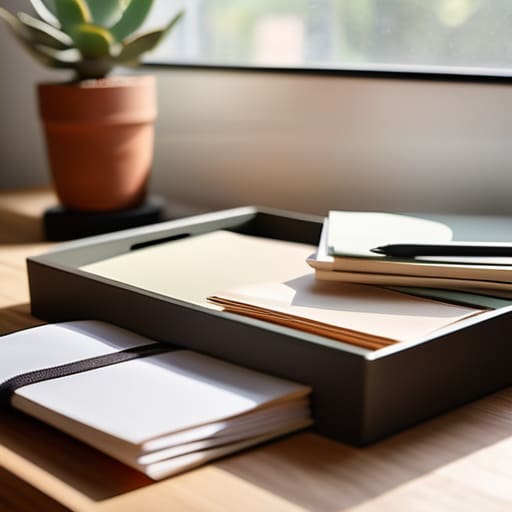
I was sitting on my floor last Tuesday, surrounded by a literal mountain of mail, medical bills, and those random receipts I swear I need for taxes, feeling like I was drowning in a sea of white paper. I had just spent forty minutes looking for my car registration, only to realize it was buried under a pile of takeout menus and junk mail. It’s that specific, soul-crushing realization that you aren’t actually “organized,” you’re just temporarily hiding the chaos. If you’ve ever felt that sudden spike of panic when you know a vital document exists somewhere in your apartment but you can’t find it to save your life, please know you aren’t alone. We need to talk about how to organize paperwork without turning our living rooms into a high-end office supply showroom.
I’m not here to sell you on those expensive, aesthetic leather binders or a complex color-coding system that requires three hours of maintenance every week. Honestly, if a system is too pretty to actually use, it’s a waste of your time. Instead, I’m going to share the gritty, realistic methods I’ve used to manage my own freelance life and household clutter. We’re going to focus on functional, low-effort systems that actually work when life gets messy, so you can find what you need and get back to your real life.
Table of Contents
Sorting Mail Efficiently Without Losing Your Mind
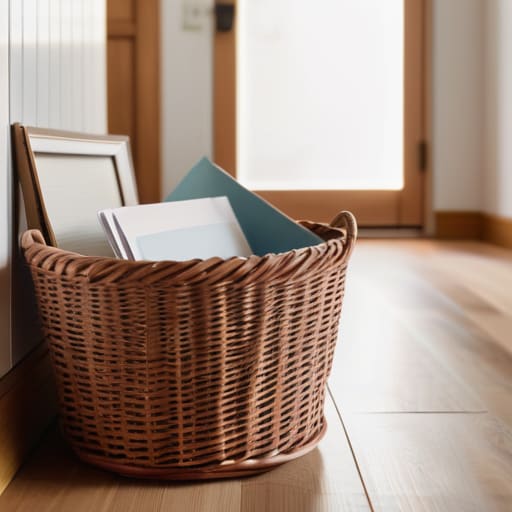
Honestly, the mail is where my system usually falls apart. It starts with a single envelope on the kitchen counter, and suddenly I’m staring at a mountain of junk mail, bills, and those “urgent” notices that I’m definitely not ready to deal with yet. To stop the pile-up, I’ve stopped trying to be perfect and started sorting mail efficiently the second I walk through the door. I keep a small, unassuming basket right by the entryway. As soon as I grab the mail, I do a quick three-second scan: junk goes straight into the recycling, things that need immediate action go into the basket, and everything else gets moved to my desk.
If you’re like me and hate the physical clutter, I’ve found that digitalizing important documents is a total game-changer. Instead of letting every single receipt or utility statement take up space in a drawer, I snap a quick photo with my phone and toss the paper. It’s not about having a pristine, museum-quality filing system; it’s about making sure that when I actually need a document, I’m not digging through a week’s worth of takeout menus to find it.
Paperwork Storage Solutions That Actually Work
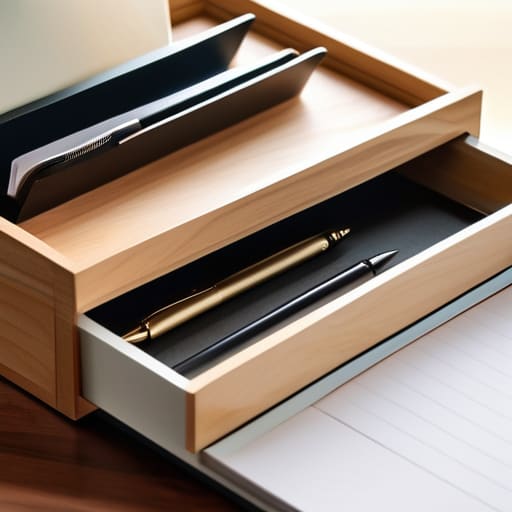
Once you’ve actually sorted through the pile, you need a place for everything to live that doesn’t require a PhD in organization to maintain. I used to think I needed one of those massive, heavy metal filing cabinets, but honestly? They’re just expensive dust collectors if you aren’t a high-volume office. For most of us, I’ve found that paperwork storage solutions like a simple desktop tiered tray or a slim accordion folder work much better. It’s about keeping the “active” stuff—the bills you need to pay this week or the lease you’re currently renewing—within arm’s reach, while the boring stuff goes into a dedicated bin.
If you’re looking for a more long-term fix, I’m a huge advocate for digitalizing important documents as you go. I keep a small scanner by my desk, and the second a piece of paper feels like “clutter” rather than “necessity,” I scan it, toss it, and move on. If you do decide to keep physical copies, don’t get bogged down in fancy labels. Just use sturdy, unpretentious binders or even just a few labeled plastic sleeves. The goal isn’t to have a Pinterest-perfect desk; it’s to make sure you aren’t tearing your hair out when you need to find your birth certificate.
5 Low-Maintenance Habits to Keep the Paper Pile from Winning
- Stop the “I’ll deal with this later” pile. When mail hits the counter, spend exactly sixty seconds deciding its fate: trash it, scan it, or drop it in a designated “action” bin. If it takes more than a minute to process, it goes in the bin, but don’t let that bin become a graveyard.
- Go digital where you actually can. I stopped printing out every single utility bill and bank statement months ago. Most companies let you download PDFs easily; just create one folder on your desktop called “Digital Paperwork” and dump them there. It saves physical space and prevents that “where is that one receipt?” panic.
- Use the “One-Touch” rule for important docs. If you’re holding a tax document or a lease agreement, don’t set it down on the kitchen island “for now.” Put it directly into its folder or scanner immediately. It feels like more work in the moment, but it saves you from the soul-crushing task of sorting through a mountain of paper every Sunday.
- Ditch the fancy labels for simple categories. You don’t need a label maker and a color-coded system to be organized. Just use basic dividers or even just sticky notes inside a box to mark “Medical,” “House/Auto,” and “Taxes.” If the system is too complicated to maintain, you won’t use it, and then we’re back to square one.
- Schedule a “Paper Purge” once a season. Every few months, grab a trash bag and go through your files. If you haven’t looked at a manual for a toaster you don’t even own anymore, shred it. If a utility bill is from three years ago and you have the digital copy, toss the paper. Keeping things lean is the only way to stay sane.
The "No-Nonsense" Summary
Stop chasing the perfect aesthetic; if a cheap plastic bin or a simple clip keeps your life from falling apart, it’s a win in my book.
Treat your paperwork like a workflow, not a museum—if a system is too high-maintenance to keep up with on a busy Tuesday, throw it out and simplify.
Focus on accessibility over organization; the goal isn’t to have a pretty drawer, it’s to be able to find your tax documents in under thirty seconds when you actually need them.
The Reality Check on Filing
“Stop trying to build a museum-grade filing system that looks good on Instagram; just build one that stops you from panicking when you’re hunting for a birth certificate at 11:00 PM.”
Maya Sterling
Stop Aiming for Perfection and Just Start

At the end of the day, organizing your paperwork isn’t about achieving that Pinterest-perfect home office that looks like no one actually lives there. It’s really just about creating a system that works for your actual, chaotic life. Whether you’re using a simple pile-sorting method for your mail, investing in a few sturdy bins, or finally digitizing those old tax returns, the goal is to reduce the mental load. You don’t need a custom-built filing cabinet or a degree in organizational psychology to get this right; you just need a way to ensure that when you’re hunting for a birth certificate or a utility bill, you aren’t tearing your hair out.
If you’re feeling overwhelmed right now, please just remember that you don’t have to tackle the entire mountain of paper in one afternoon. Pick one drawer, one stack, or even just one envelope, and start there. Life is far too busy to spend your weekends fighting with color-coded folders that you’ll eventually stop using anyway. Focus on what makes your daily routine a little bit smoother and a little less frantic. You’ve got this, and honestly, once the system is in place, you’ll be so glad you took that first messy step toward functional simplicity.
Frequently Asked Questions
How do I decide what’s actually worth keeping versus what I can just shred or toss?
Look, I used to hold onto everything “just in case,” which is just a fancy way of saying I was hoarding clutter. Here’s my rule of thumb: if it doesn’t have a legal, tax, or long-term sentimental value, it’s gotta go. Keep your tax returns and active contracts, but those utility bills from three years ago? Shred them. If you haven’t looked at it in twelve months and it isn’t a vital record, you probably don’t need it.
Is it better to go fully digital, or is there still a practical reason to keep physical copies of certain things?
Look, I’m all for the “paperless life” because my apartment is small and clutter is my enemy, but let’s be real: going 100% digital is a trap. You absolutely need a “physical backup” pile for the heavy hitters—think birth certificates, property deeds, and those tax documents that are a nightmare to track down digitally. Scan everything else, but keep the essentials in one sturdy, fireproof spot. Don’t let a dead battery or a lost password stand between you and your life.
What do I do with all those random receipts and medical records that never seem to fit into a standard filing system?
Honestly, I used to let those pile up until they felt like a mountain. For receipts, stop trying to file every single coffee slip; just grab a dedicated “tax box” or a single accordion folder and toss them in as they come. For medical records, forget the fancy binders. I just use one sturdy, labeled plastic bin. If it’s not something you need to reference monthly, don’t overcomplicate it—just get it off the counter and into a designated spot.