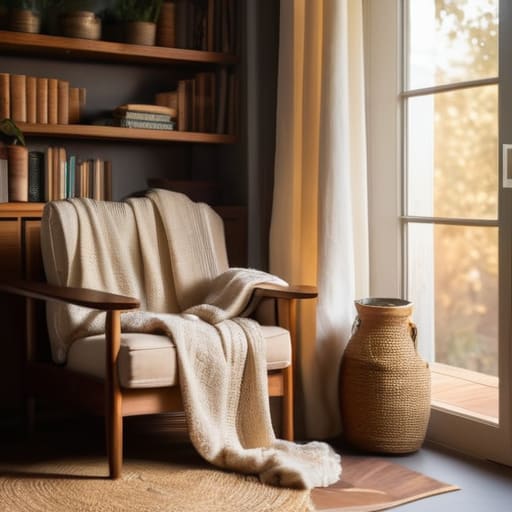
I used to spend hours scrolling through interior design feeds, feeling totally defeated by these pristine, white-on-white reading corners that looked like they were meant for a museum rather than a human being. It’s exhausting to feel like you can’t enjoy a book unless your apartment looks like a staged showroom, especially when you’re just trying to squeeze some downtime into a chaotic freelance schedule. The truth is, we don’t need a dedicated sunroom or a designer budget to find peace; we just need a few smart, cozy reading nook ideas that actually fit into the cramped corners of our real, messy lives.
In this post, I’m stripping away the performative perfection and sharing five essential items that will help you claim your own little sanctuary. I’m not talking about expensive furniture hauls, but rather functional pieces that turn a random chair or a corner of your bedroom into a legitimate escape. By the time you finish reading, you’ll have a realistic blueprint for building a space that is built for comfort, not just for the ‘gram.
Table of Contents
The "Floor Life" Setup
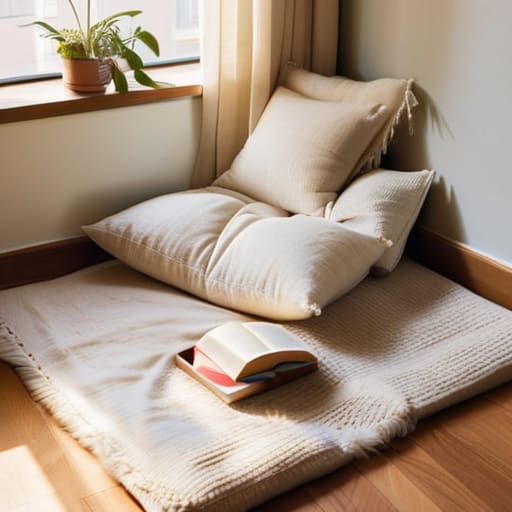
If you’re living in a small apartment like I am, trying to squeeze in a massive armchair usually just means tripping over it every single morning. Instead of fighting for floor space, I’ve learned to embrace the ground. Grab every oversized floor pillow or even just a thick duvet you have lying around, and layer them in a corner. It’s not going to look like a professional interior design catalog, but it creates this incredibly grounded, cozy feeling that a stiff chair just can’t match.
The Window Seat Hack
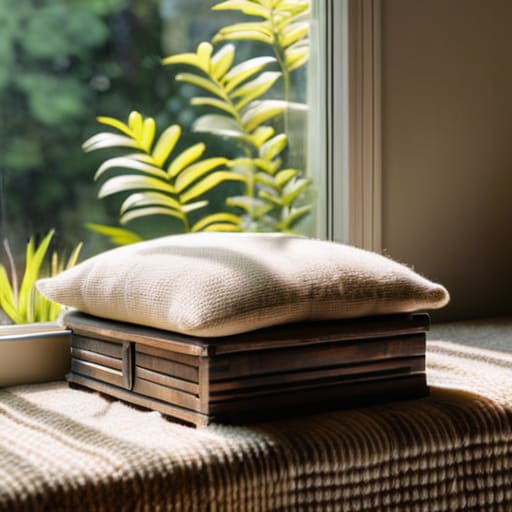
There is something about natural light that makes reading feel so much more restorative, but I know not everyone has a built-in window nook. You don’t need custom carpentry to get that vibe; you just need a sturdy bench or a low trunk placed right under your window. I actually use an old wooden storage chest in my place, which is perfect because it doubles as a spot to hide away extra blankets or the books I’m not currently reading.
The Lighting Layering Trick
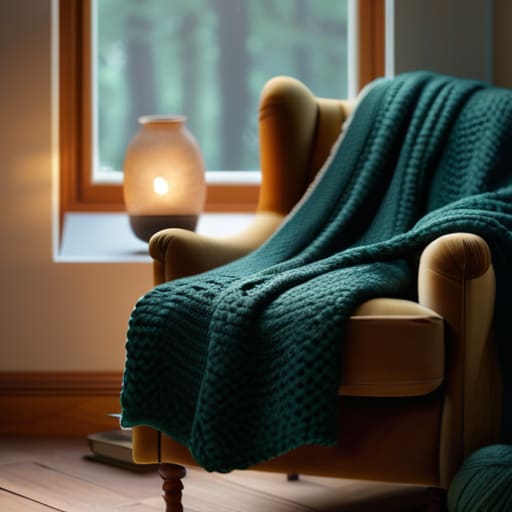
We’ve all been there: trying to read in a room that’s either too bright and clinical or so dim you’re giving yourself a headache. The biggest mistake I see is relying on that one big, harsh overhead light. For a real nook, you need localized warmth. I always keep a small, adjustable clip-on lamp or a dedicated floor lamp right next to my reading spot. It creates a little pool of light that tells your brain it’s time to decompress and unplug.
The "Command Center" Side Table
A reading nook is useless if you’re constantly getting up to grab a coaster or your phone. I used to try and balance my mug on the arm of a chair, which is a recipe for a very expensive disaster. You need a dedicated surface, but it doesn’t have to be a real table. I’ve used everything from a sturdy stack of heavy coffee table books to a small wooden crate turned on its side. As long as it’s stable and within reach, it works.
The Scent and Sound Sanctuary
To me, a nook isn’t just about what you see; it’s about how the space feels in your senses. If I’m having a particularly stressful week, I try to engage more than just my eyes. This is where my indoor herb garden comes in handy—having a little bit of greenery nearby, like a pot of mint or lavender, can make the air feel fresher. If you don’t have a green thumb, even just a scented candle with a woodsy or calming aroma can signal to your brain that the workday is officially over.
The bottom line on your new nook
Stop waiting for the “perfect” corner to appear; just grab a chair and a lamp and start where you are.
Prioritize comfort over aesthetics—if it doesn’t actually feel good to sit in, it’s not a reading nook, it’s just decor.
Use what you already own, whether it’s a pile of floor pillows or a thrifted armchair, to keep things functional and budget-friendly.
## Real comfort over curated aesthetics
“Stop worrying about whether your reading nook matches your living room’s color palette; if you have a soft blanket, a decent light source, and a spot where your phone can’t find you, you’ve already won.”
Maya Sterling
Making It Yours
At the end of the day, building a reading nook isn’t about buying a matching velvet armchair or a designer floor lamp that looks better in a photo than it feels in person. It’s about the small, practical choices—like finding that perfectly broken-in corner of the sofa, repurposing a sturdy old crate as a side table, or simply layering a few extra blankets you already own. Whether you’re working with a dedicated corner or just a tiny slice of your bed, the goal is to create a space that actually serves your routine rather than adding another chore to your to-do list.
Don’t let the pressure of “interior design” stop you from claiming a little bit of peace in your own home. Your nook doesn’t need to be a masterpiece; it just needs to be a place where you can finally shut out the noise and lose yourself in a good story. Life is messy, and your home probably is too, but having one small, functional sanctuary can make all the difference when you need to recharge. So, grab that book, find your spot, and just start where you are.
Frequently Asked Questions
I don't have a spare room or a big budget; can I actually make a reading nook work in a tiny studio apartment?
Honestly, I’ve lived in studios where my “office” was also my dining room and my bedroom, so I get it. You don’t need a spare room; you just need to claim a few square feet. Look for “dead zones”—that awkward corner by the window or even just a specific spot on your bed with a dedicated tray. It’s about creating a mental boundary, not a physical one. Grab a floor pillow and you’re set.
What should I do if my "nook" is in a high-traffic area where I constantly get interrupted?
Ugh, the “interruption zone”—I’ve been there. When my nook is right in the middle of the living room chaos, I’ve learned that you can’t rely on walls for privacy. Instead, use visual cues. A small area rug helps define your “territory,” and honestly, wearing noise-canceling headphones is my ultimate signal to the world that I’m off-duty. It’s not about being antisocial; it’s just about creating a mental boundary when a physical one isn’t an option.
How do I balance making a spot cozy without it becoming a cluttered mess that's impossible to clean?
Honestly, I used to struggle with this. I’d add a throw, two pillows, and a side table, and suddenly my corner felt like a storage unit. My rule of thumb? Stick to the “one-in, one-out” method for textiles. If you add a chunky knit blanket, ditch one of the smaller decorative pillows. Also, keep your essentials—like a book or a mug—on a single, dedicated tray. It keeps the “cozy” contained and easy to wipe down.