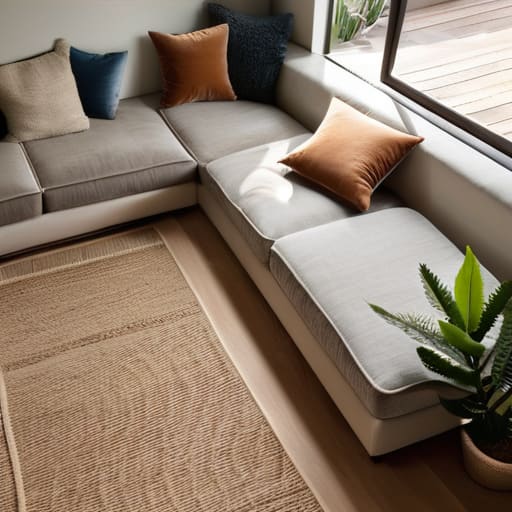
I was scrolling through Pinterest the other night—which was my first mistake—and felt that familiar, sinking feeling of inadequacy. Every single one of those “perfect” living room layout ideas featured a massive, white linen sectional, a marble coffee table that looked impossible to clean, and enough empty space to host a small gala. It’s all so performative. In reality, most of us are trying to fit a life into a room, not a showroom. We have cats that shed, coffee mugs that leave rings, and the constant need to actually, you know, walk from the door to the sofa without performing a rhythmic obstacle course around a mid-century modern ottoman.
I’m not here to sell you on a lifestyle that requires a professional cleaning crew and a strict “no kids allowed” policy. Instead, I want to share the functional, messy-but-effective ways I’ve learned to arrange my own space to actually work for a busy human life. We’re going to look at living room layout ideas that prioritize flow and real-world utility over Instagram likes. No expensive renovations or designer magic required—just smart, pragmatic shifts that make your home feel like a sanctuary instead of a museum.
Table of Contents
Ditch the Museum Vibe With Smart Focal Point Placement
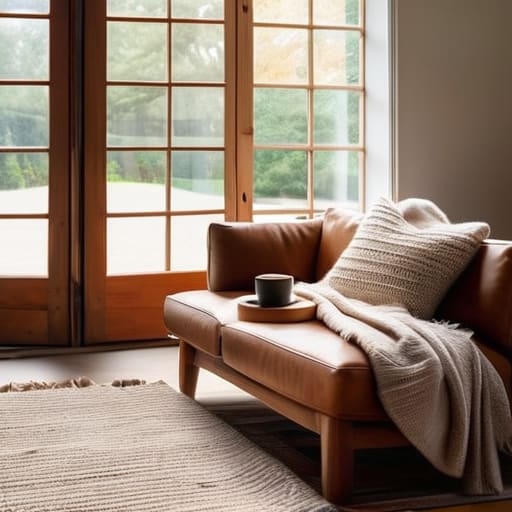
We’ve all seen those Pinterest photos where every single piece of furniture is perfectly symmetrical and looks like it was delivered by a professional staging crew. But unless you’re living in a showroom, that’s not going to work for you. The secret to a room that actually feels lived-in is getting your focal point placement in living rooms right from the start. Whether it’s a fireplace, a massive window, or even just your TV, everything else should serve that center. If you try to fight the natural architecture of the room, you’ll end up with a space that feels awkward and forced.
Instead of trying to force a formal setup, I like to focus on optimizing living room traffic flow. I’ve learned the hard way that if you have to shimmy sideways past a side table just to get to the kitchen, your layout has failed. If you’re working with small living room floor plans, don’t feel like you need to line every wall with furniture. Sometimes, pulling the seating away from the walls creates much better breathing room and makes the whole area feel intentional rather than cramped.
Small Living Room Floor Plans for People Who Actually Live Here
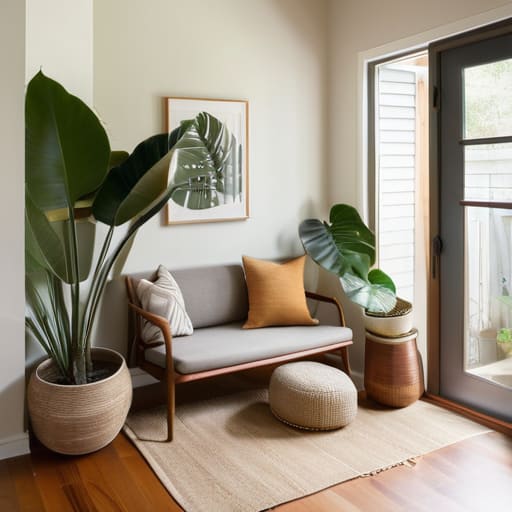
If you’re living in a space where the “living room” is basically a glorified hallway between the kitchen and the front door, I get it. You don’t need a sprawling estate; you just need a way to exist without feeling like you’re constantly playing Tetris with your furniture. When looking at small living room floor plans, the biggest mistake I see is trying to shove a massive, overstuffed sofa against a wall just because it “fits.” In reality, that often kills your ability to move. Instead, try pulling your seating just a few inches away from the walls or using a smaller loveseat to open up the floor.
The real secret to making a tiny footprint feel intentional is optimizing living room traffic flow. You shouldn’t have to do a side-step shuffle every time you want to get to the window. If you have an open concept living area arrangement, use a rug to “anchor” your seating zone. This creates a visual boundary that tells your brain, “This is the relaxation zone, and that’s the walking zone,” even if there isn’t a single wall separating them.
Five Real-World Tweaks to Stop Fighting Your Furniture
- Stop pushing everything against the walls. I know it feels like you’re “saving space,” but pulling your sofa even just six inches away from the wall creates breathing room and makes the whole area feel less like a waiting room.
- Prioritize the “walking paths” first. Before you decide where the accent chair goes, trace the route from your front door to the kitchen with your eyes. If you have to shimmy sideways to avoid a corner, your layout is broken.
- Use rugs to define zones, not just to cover ugly carpet. A rug shouldn’t just be a piece of decor; it should act as an anchor that tells your brain, “This is the conversation area, and that’s the hallway.”
- Ditch the “matching set” mentality. You don’t need a coordinated suite of furniture from a showroom to make a room work. Mixing a thrifted wooden coffee table with a modern sofa actually makes the space feel lived-in and intentional rather than sterile.
- Lighting is your secret weapon for mood and function. Instead of relying on that one harsh overhead light that makes everything look clinical, tuck a small lamp into a corner or use a floor lamp by your reading chair to create pockets of warmth.
The "No-Nonsense" Living Room Cheat Sheet
Stop prioritizing “the look” over how you actually move; if you have to shimmy past a side table every time you want to reach the kitchen, your layout is broken.
Pick one thing that actually matters to you—whether it’s the TV, a window view, or a fireplace—and build the room around that instead of trying to please every single piece of furniture.
Use your rug to define the space, not just to cover up old carpet; a rug that’s too small makes a room feel choppy, but one that anchors your furniture makes a small space feel intentional.
The Golden Rule of Furniture
“Stop arranging your furniture for a photo shoot and start arranging it for the way you actually move; if you can’t walk to the kitchen without doing a side-step shuffle around the ottoman, your layout is a failure, no matter how good it looks on Instagram.”
Maya Sterling
Making It Work for You
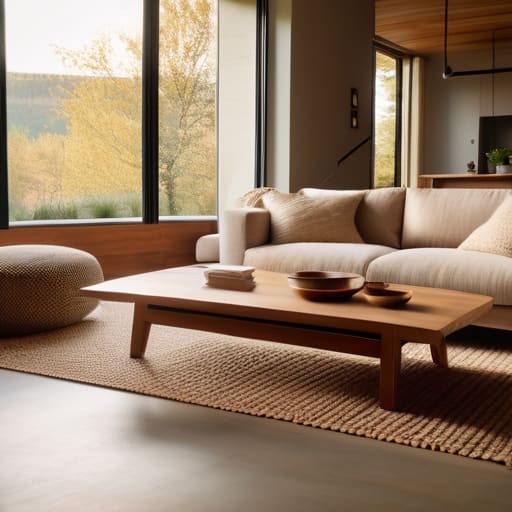
At the end of the day, whether you’re rearranging your furniture around a single focal point or trying to squeeze a functional seating area into a tiny apartment, the goal isn’t to win an interior design award. It’s about making sure your space actually serves your daily rhythm. We’ve talked about ditching that stiff, museum-like arrangement and finding floor plans that respect your square footage without making you feel like you’re living in a Tetris game. Remember, a good layout is one where you can actually move through the room without a constant fear of stubbing your toe on a misplaced coffee table.
Don’t let the fear of making a “wrong” choice keep you stuck in a layout that feels cramped or awkward. If a setup isn’t working, move the rug, pivot the chair, or just try something completely different next weekend. Your living room is a living, breathing part of your life, not a static photo for a magazine. Focus on functional comfort over performative perfection, and I promise you’ll find a flow that feels less like a chore and more like home. You’ve got this—just grab that multi-tool and start shifting things around.
Frequently Asked Questions
How do I figure out where to put my TV if I don't want it to be the only thing everyone is staring at?
The “TV-as-altar” setup is the fastest way to kill conversation. If you want to reclaim your space, try the “off-center” approach. Instead of centering everything on the screen, place it on a side wall or a low console that doesn’t dominate the room’s visual weight. Better yet, use a media cabinet with doors so you can literally hide the black void when you’re actually trying to hang out with humans.
What do I do if my living room is basically just a hallway that people have to walk through to get to the kitchen?
Ugh, the “hallway living room”—I’ve been there, and it’s a total productivity and relaxation killer. First, stop trying to center everything. Instead, lean into the “traffic lane.” Use a slim console table or a narrow runner rug to define the walking path, and keep your main seating pushed toward the wall opposite the flow. If you can, use a small rug to “anchor” the seating area, creating a distinct zone that says, “This is for chilling, not for commuting to the fridge.”
Is it actually possible to have a seating area that feels cozy without it feeling like I'm sitting in a waiting room?
Oh, I feel this one. The “waiting room” vibe usually happens because everything is lined up against the walls like a doctor’s office. To fix it, pull your seating away from the edges. Even just a few inches makes a difference. Try grouping chairs around a central rug or a coffee table to create a “conversation circle.” It’s about creating a sense of enclosure that feels like a hug, not a lobby.