I’m going to say something that might ruffle a few feathers in the “cleanfluencer” community: most of those fifteen-step cleaning routines you see on social media are a total scam. I spent way too many weekends of my twenties trying to replicate those aesthetic, color-coded cleaning schedules, only to end up exhausted and still feeling like my apartment was a disaster. If you’re looking for a way to learn how to clean faster by buying twenty different specialized sprays and a designer bucket, you can stop right here. Real life is messy, and honestly, trying to make cleaning look like a lifestyle brand is exactly what keeps us from actually getting it done.
I’m not here to sell you on a dream of a perfect, sterile home; I’m here to give you the systems that actually work for people with real jobs and limited free time. I’ve spent years testing out the “good enough” methods—the ones that focus on high-impact zones and functional shortcuts rather than performative perfection. In this guide, I’m sharing my personal, no-BS toolkit for tackling the grime without losing your entire Saturday. We’re going to focus on efficiency, not aesthetics, so you can spend less time scrubbing and more time actually living.
Table of Contents
Ditch the Perfectionism With Minimalist Cleaning Methods
If you’re anything like me, you’ve probably spent way too much time staring at a pile of laundry or a dusty bookshelf, feeling paralyzed because you don’t have the energy for a deep scrub. We’ve been sold this lie that cleaning has to be a multi-hour, ritualistic event involving color-coded sprays and a heavy-duty vacuum. Honestly? That’s a recipe for burnout. I’ve learned that the secret to minimalist cleaning methods isn’t about doing more; it’s about doing less, but doing it with intention.
Instead of trying to tackle the whole apartment in one go, I focus on high-impact zones. I’ve found that decluttering for speed is much more effective than scrubbing a surface that’s already covered in junk. If I can clear the visual noise first—tossing the mail, putting the shoes away, moving the coffee mugs—the actual cleaning part feels ten times lighter. You don’t need a cabinet full of specialized chemicals; just grab a few versatile supplies and focus on the surfaces you actually touch every day. Stop trying to win a cleaning competition and just aim for functional clean.
The No Bs Truth About Essential Cleaning Supplies for Efficiency
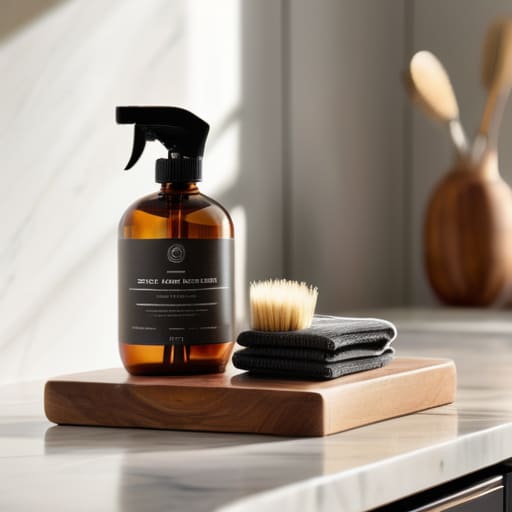
Look, I used to be that person who had a different specialized spray for every single conceivable surface. I had a cabinet full of neon-colored bottles that promised “miracle results” but mostly just took up space and made me feel guilty when I didn’t use them. The truth is, most of those fancy products are just marketing fluff. If you want real cleaning supplies for efficiency, you actually need less, not more. I’ve narrowed my kit down to a high-quality all-purpose cleaner, a decent degreaser, some microfiber cloths, and a scrub brush. That’s it.
When you stop hunting for that one specific “marble-only” spray, you stop breaking your momentum. Using a few versatile tools is one of those underrated cleaning efficiency hacks that keeps you moving through a room instead of getting stuck in a supply scavenger hunt. My goal isn’t to have a pristine, showroom-ready pantry; it’s to have a home that feels fresh without me spending my entire Saturday scrubbing baseboards with a toothbrush. Keep your kit lean, keep it accessible, and get back to your life.
Five Dirty Little Secrets to Cutting Your Cleaning Time in Half
- Stop the “room-by-room” madness. Instead, do one task across the whole house—like dusting every single surface or vacuuming every floor. Moving your body in one direction saves you from constantly switching between grabbing a spray bottle and grabbing the vacuum.
- Use the “One-Touch” rule for clutter. If you pick up a piece of mail, don’t put it on the counter to “deal with later.” Either file it, trash it, or act on it immediately. Every time you move an object twice, you’re just wasting time you could be using to actually clean.
- Set a timer for twenty minutes and call it a “sprint.” When I’m feeling overwhelmed, I tell myself I only have to work until the timer dings. It turns a daunting marathon into a quick burst of energy, and honestly, you’ll be shocked at how much you can knock out when you’re racing the clock.
- Keep your tools where the mess happens. I keep a small stash of multi-purpose wipes and a microfiber cloth in my bathroom drawer and another in the kitchen. If I don’t have to trek across the apartment to find the cleaning spray, I’m way more likely to wipe down the sink the second I see a smudge.
- Focus on the “High-Impact Zones” first. If you only have ten minutes before a friend knocks on the door, don’t worry about the baseboards. Hit the kitchen counters, clear the coffee table, and straighten the couch pillows. These are the spots people actually notice, so let the dust bunnies under the bed wait for another day.
The Bottom Line for a Faster Clean
Stop trying to deep-clean every nook and cranny every single time; focus on high-traffic zones first so you can actually reclaim your evening.
Invest in a few versatile, multi-purpose tools rather than a cabinet full of niche cleaners that just take up space and time.
Accept that “done” is better than “perfect”—a functional, tidy home is much more valuable than a spotless one that left you exhausted.
The Real Goal of Cleaning
“We need to stop treating cleaning like a performance for an audience that isn’t even watching. The goal isn’t a showroom-ready house; it’s a functional space where you can actually breathe, move, and get back to your real life without feeling like you’re constantly playing catch-up.”
Maya Sterling
Finding Your Own Flow
At the end of the day, cleaning faster isn’t about finding some magical, secret product or having a pristine, white-on-white living room that looks like a museum. It’s about stripping away the fluff and focusing on what actually matters. We’ve talked about ditching that paralyzing perfectionism, narrowing your kit down to the essentials that actually work, and prioritizing the high-traffic zones that make your daily life feel manageable. When you stop trying to perform “cleanliness” for an imaginary audience and start focusing on functional maintenance, you reclaim your most valuable resource: your time.
I know how it feels to look at a messy kitchen and just want to walk right back out the door, but please remember that a little bit of progress is infinitely better than a lot of guilt. Your home is meant to be lived in, not just curated for a photo op. If the floors aren’t sparkling but the counters are clear enough to make coffee in the morning, you have won the day. Let go of the pressure to be perfect and just aim to be prepared. You’ve got this, and honestly, a little bit of dust never actually killed anyone.
Frequently Asked Questions
How do I actually stay consistent with this without it feeling like another overwhelming chore on my to-do list?
Honestly? Stop trying to “find time” for a big cleaning day. That’s how burnout happens. Instead, I use the “low-stakes habit” approach. If I see a dish in the sink, I wash it while my coffee brews. If the mail is piling up, I sort it while I’m on a quick phone call. If it takes under two minutes, just do it. It’s not about being a cleaning machine; it’s about keeping the chaos at bay so it doesn’t swallow your weekend.
Are there any specific "quick wins" for when I only have ten minutes before guests arrive?
When the clock is ticking and you’ve only got ten minutes, stop trying to deep-clean the baseboards. Focus on the “sensory trifecta”: clear the clutter off the main surfaces, wipe down the kitchen counters, and hit the bathroom mirror. If you have two minutes left, light a candle or open a window. It’s about managing the immediate vibe, not achieving perfection. Just tackle the visual noise so you can actually breathe when they walk in.
How do I decide which areas are actually worth the deep clean and which ones I can just let slide?
Honestly, I use the “Touch and Smell” test. If a surface is actually sticky or if a room smells… off, it’s a priority. Otherwise, I look at high-traffic zones. Your kitchen counters and the bathroom sink need attention because you use them daily, but that guest room you haven’t entered in three weeks? Let it slide. If it doesn’t impact your daily sanity or hygiene, it doesn’t deserve your precious Saturday morning.