I’ll never forget the Tuesday night I spent in my first tiny apartment, staring in absolute horror at a single, skittering cockroach near my herb garden. I immediately went to the store and spent forty bucks on these “designer” scented traps that promised a spa-like, pest-free existence, only to realize they were basically just expensive pieces of plastic that did nothing. It was such a frustrating waste of money and time, and it taught me that if you actually want to learn how to prevent pests at home, you have to stop looking for the “aesthetic” solution and start looking at the cracks in your foundation.
I’m not here to sell you on some magical, overpriced spray or a lifestyle hack that requires a professional cleaning crew. Instead, I’m going to share the gritty, low-budget methods I’ve used to keep my own space clear without breaking the bank. We’re going to talk about real, functional systems—like sealing entry points and managing your pantry—that actually work. My goal is to give you a no-nonsense toolkit so you can stop worrying about uninvited guests and get back to living your life.
Table of Contents
- Natural Insect Repellent for Home That Actually Works
- Sealing Cracks and Crevices Without a Professional Crew
- The "un-aesthetic" habits that actually keep bugs away
- The bottom line on keeping your space bug-free
- ## The reality of pest control
- Keeping the Uninvited Guests at Bay
- Frequently Asked Questions
Natural Insect Repellent for Home That Actually Works

Look, I’m all for a clean, scent-free home, but I’ve realized that a little bit of intentional fragrance can go a long way in keeping unwanted guests at bay. If you’re trying to avoid those harsh, chemical-heavy sprays that make your eyes water, I’ve had some pretty decent luck with essential oils. Peppermint and tea tree oil are my absolute go-tos. I usually mix a few drops with water in a spray bottle and spritz it around my baseboards and window sills. It doesn’t just smell like a spa; it actually acts as a decent natural insect repellent for home use, especially for ants that seem to think my windowsill is a highway.
The trick, though, is that these scents aren’t a magic shield. You can’t just spray a little lavender and assume you’re safe. For this to actually work, you have to pair it with the boring stuff, like sealing cracks and crevices where they might be sneaking in. Think of the oils as your first line of defense, but the physical barriers are what actually do the heavy lifting. It’s about building a system, not just looking for a quick fix.
Sealing Cracks and Crevices Without a Professional Crew
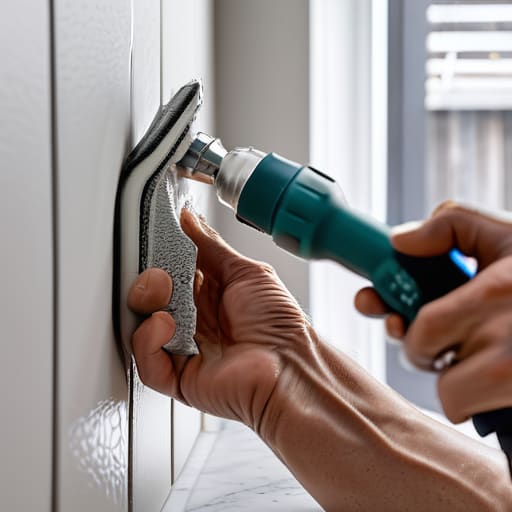
Look, you don’t need to call an expensive contractor every time you spot a gap under your baseboards. Most of the time, bugs are just looking for an easy way in, and a $10 tube of caulk from the hardware store is your best friend here. I always keep a small tube in my junk drawer for exactly this reason. Grab some silicone caulk and start by running it along the edges of your backsplash and around the frames of your windows. It’s tedious, I know, but sealing cracks and crevices is the single most effective way to stop an infestation before it starts.
While you’re down there on your hands and knees, pay close attention to where your pipes meet the wall under the sink. That little gap around the plumbing is basically a VIP entrance for roaches. Stuff some copper mesh into the larger holes first—it’s much harder for them to chew through than foam—and then seal it all up with caulk. It’s not the most glamorous Saturday afternoon activity, but it’s a massive win for long-term pest proofing in your kitchen and pantry.
The "un-aesthetic" habits that actually keep bugs away
- Stop treating your kitchen sink like a trash can; I know it’s tempting to leave that half-empty bowl of pasta water overnight, but even a tiny bit of moisture is basically a five-star resort for fruit flies and roaches.
- Get real about your pantry organization—don’t bother with those expensive, airtight glass canisters if you’re on a budget; just grab some heavy-duty Ziploc bags or even just a sturdy chip clip to keep the ants from finding a way into your cereal.
- Check your trash situation, especially in the summer; if your bin doesn’t have a tight-fitting lid, just wrap the bag in a bit of plastic wrap before you put it in the can to create a makeshift seal that keeps the smell (and the pests) contained.
- Stop letting your mail and cardboard boxes pile up by the door; I learned the hard way that those corrugated cardboard boxes are basically a luxury apartment complex for silverfish and spiders.
- Don’t ignore the “wet zones” around your plants; since I spend way too much time tending to my indoor herbs, I’ve realized that a saucer that stays constantly soggy is just an invitation for gnats, so always empty out the excess water after a soak.
The bottom line on keeping your space bug-free
Stop chasing the “aesthetic” solutions; a $5 tube of caulk and a bit of elbow grease to seal those gaps will do more for you than any expensive, designer trap.
Natural remedies like peppermint or boric acid aren’t magic, but they are solid, budget-friendly tools to keep things under control before they become a full-blown crisis.
Consistency beats intensity—it’s much easier to spend five minutes a week checking your pantry and sealing cracks than it is to deal with a massive infestation later.
## The reality of pest control
“You don’t need a professional crew or a cabinet full of expensive, neon-colored sprays to win this battle; you just need to stop giving them an invitation to move in by sealing the cracks and keeping the crumbs at bay.”
Maya Sterling
Keeping the Uninvited Guests at Bay
At the end of the day, preventing a pest takeover isn’t about hiring a massive extermination crew or spending a fortune on high-end gadgets. It really just comes down to the boring, repetitive stuff: keeping your pantry sealed, using natural repellents when you can, and actually taking twenty minutes to caulk those tiny gaps around your baseboards. It’s not glamorous, and it definitely won’t look like a curated lifestyle magazine, but these small, functional habits are what actually keep your living space yours. If you can manage to stay consistent with the basics, you’ll find that most of these issues never even get a chance to start.
I know that when you’re staring at a crack in the wall or a trail of ants, it feels like your entire home is falling apart, but I promise it isn’t. We’re all just out here trying to manage our spaces one small win at a time. Don’t let the “perfect” home standards on social media make you feel like you’ve failed because you’re using boric acid instead of some overpriced, designer trap. Focus on what works for your budget and your lifestyle, and be kind to yourself in the process. You’ve got this, and your home is going to be just fine.
Frequently Asked Questions
Is it actually safe to use things like boric acid around my pets and kids?
Look, I’m the first person to tell you that “natural” doesn’t always mean “harmless.” While boric acid is great for bugs, it’s definitely not something I want my dog or my niece anywhere near. If you use it, don’t just sprinkle it around; apply it deep into those cracks and crevices where paws and tiny hands can’t reach. Keep it tucked away behind baseboards so it does its job without becoming a hazard.
How often do I really need to check my pantry and food storage to keep ants from moving in?
Honestly? Don’t wait for a formal “inspection day.” I try to do a quick scan every time I grocery shop or prep my weekly meals. Just a thirty-second glance at the flour canisters and the honey jar is usually enough. If you see a stray grain of sugar or a sticky spill, clean it immediately. It’s much easier to wipe up a crumb today than to deal with an ant parade tomorrow.
If I've already seen a few bugs, is it too late for these DIY methods, or do I need to call an exterminator immediately?
Look, I’ve been there—seeing a stray roach or a few ants near the sink and immediately spiraling into “call the professional” mode. Honestly? It’s usually not too late. If you’re seeing a few stragglers, it’s a sign your defenses are down, not necessarily that your house is overrun. Try the DIY sealing and natural repellents first. But, if you start seeing them during the day or in huge numbers, that’s your cue to call in the pros.