
I was staring at a “minimalist” cleaning guide on Pinterest last Sunday, feeling a strange mix of guilt and irritation. It featured a pristine, white-on-white living room and a list of tasks that seemed to require a professional crew and a massive budget for specialized organic solvents. Honestly, it felt like a lie. Most of those curated deep cleaning checklist templates ignore the reality of living in a real space—where dust settles in the nooks of your herb garden and crumbs seem to migrate toward every corner of the kitchen. We don’t need more aesthetic perfection; we just need a way to make our homes feel breathable again without spending our entire Saturday scrubbing baseboards with a toothbrush.
I’m not here to sell you on a lifestyle you can’t maintain. Instead, I’m sharing my own no-nonsense deep cleaning checklist, built from years of trial, error, and the occasional frantic scrub before a client visit. I’ve stripped away the performative fluff to give you a functional, tiered system that focuses on the areas that actually impact your daily sanity. This is about maximum impact with minimal chaos, helping you reclaim your space without losing your mind in the process.
Table of Contents
The Essential Deep Cleaning Supplies List for Real Life
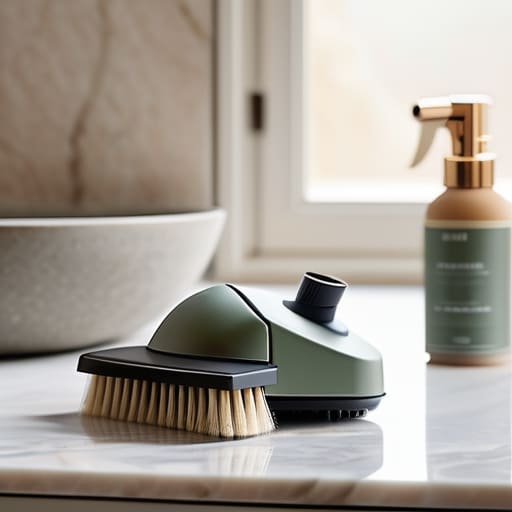
Before we dive into the actual grime, let’s talk about what you actually need to have on hand. I used to fall into the trap of buying every “miracle” spray advertised on social media, only to realize half of them smelled like a chemical factory and did nothing for my actual surfaces. My current deep cleaning supplies list is much more streamlined. I stick to the basics: a solid degreaser for the kitchen, a pH-neutral cleaner for my stone countertops, and a high-quality microfiber cloth set. Honestly, if you have a good vacuum with a HEPA filter and a sturdy scrub brush, you’re already halfway there.
Don’t get bogged down trying to mimic professional cleaning techniques with expensive, specialized equipment you’ll use once a year. Instead, focus on versatility. A simple spray bottle filled with water and a splash of white vinegar works wonders for glass, and a decent pumice stone is a lifesaver for stubborn tub stains. I’ve learned that having the right tools isn’t about having the most stuff; it’s about having the right stuff that actually works when you’re elbow-deep in soap suds.
Room by Room Cleaning Tasks That Actually Matter
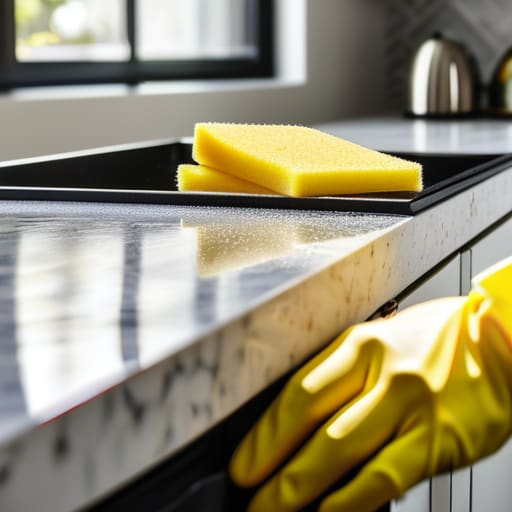
Let’s get into the actual work. Instead of trying to tackle the whole house in one frantic weekend—which is a one-way ticket to burnout—I’ve found that breaking things down into specific room by room cleaning tasks makes the process feel way less daunting. Start with the kitchen, because that’s where the real grime lives. Don’t just wipe the counters; pull out the toaster to get the crumbs, scrub the inside of the microwave, and give your stovetop the attention it deserves. It’s not about making it look like a showroom; it’s about making sure your cooking space is actually hygienic.
Next, move to the living areas and bedrooms. This is where my favorite decluttering and cleaning tips come into play. Before you even touch a vacuum, clear off the flat surfaces. Dust the baseboards (yes, they exist and they collect a lot of hair) and wipe down your light switches and doorknobs—places we touch constantly but always forget. If you’re following a seasonal house cleaning schedule, this is also the time to flip your mattress or vacuum under the couch cushions. Focus on the areas that actually impact your daily comfort.
How to Actually Get Through This Without Losing Your Mind
- Stop trying to do it all in one weekend. I used to think I could tackle the whole apartment on a Saturday, but I’d just end up exhausted and halfway finished. Pick one room, or even just one zone like the pantry, and call it a win.
- Work from the top down. It sounds basic, but if you vacuum the floors before you dust the ceiling fans, you’re just going to have to do the floors twice. Dust falls; plan accordingly so you aren’t wasting your energy.
- Use the “timer method” to avoid burnout. I set my phone for 30 minutes of focused scrubbing, followed by a 10-minute break where I actually sit down with my coffee. It keeps the momentum going without that overwhelming feeling of an endless to-do list.
- Don’t get distracted by “organizing.” There is a huge difference between deep cleaning and reorganizing your junk drawer. If you start color-coding your spices while the baseboards are still filthy, you’ve lost the plot. Clean first, organize later.
- Keep a “cleaning kit” handy. Instead of running back and forth to the cabinet under the sink every five minutes, grab a small caddy or even just a bucket and put all your essentials in it. It saves so much mental energy when you aren’t hunting for the glass cleaner mid-task.
The Bottom Line: How to Clean Without Losing Your Mind
Focus on function over perfection; if a surface is clean and the room feels manageable, you’ve won. You don’t need to scrub the baseboards with a toothbrush every single time to call it a success.
Stop buying specialized “miracle” cleaners for every single surface. A few reliable, multi-purpose tools and a solid microfiber cloth will save you a ton of money and cabinet space.
Break it down into bite-sized chunks. Trying to tackle the whole house in one Saturday is a recipe for burnout, so just pick one zone or one task at a time when you actually have the energy.
The Reality of the Reset
“A deep cleaning checklist shouldn’t feel like a chore list for a museum; it’s just a way to clear the mental clutter so your home actually feels like a place you can breathe in again.”
Maya Sterling
Don't Let the Checklist Win
At the end of the day, this list isn’t about achieving some impossible standard of perfection or making your home look like a staged showroom. It’s about the practical stuff—scrubbing the baseboards so they don’t collect dust, clearing out that science experiment in the back of the fridge, and finally getting the grime off the window tracks. We’ve covered the essential supplies you actually need and broken the chaos down into manageable, room-by-room tasks. If you don’t get to everything on this list today, it is not a failure. The goal is simply to reset your space so that it serves you better, rather than you spending all your energy fighting against the clutter. Just focus on one zone at a time and call it a win.
I know how heavy that “to-do” list can feel when you’re already running on fumes from work or life in general. But I promise you, there is a specific kind of peace that comes from a functional, clean environment. It’s not about the aesthetic; it’s about the mental clarity that follows a good scrub. So, grab your multi-tool, put on a podcast, and just start. You don’t need to do it all at once to make a real difference. You’ve got this, and your future, less-stressed self will definitely thank you.
Frequently Asked Questions
How do I actually tackle this without feeling completely overwhelmed and giving up halfway through?
Honestly? Stop looking at the whole list at once. It’s a trap. When I’m staring at a mountain of chores and feeling that “I’d rather just nap” urge, I use the 20-minute timer method. Pick one zone—just one—and set a timer. When it dings, you stop. Even if you’re mid-scrub. It stops the burnout before it starts and proves that progress, even small, messy progress, is better than perfection.
Do I really need to buy all those specialized cleaning products, or can I just use what I already have in my pantry?
Honestly? Most of those specialized, color-coded sprays are just expensive water with a fancy scent. I’ve learned the hard way that my pantry is actually a goldmine. A mix of white vinegar, dish soap, and baking soda can tackle about 90% of what you’re dealing with. Unless you’re scrubbing something truly bizarre, save your money. Buy one decent multi-surface cleaner for the tough spots, and let your pantry do the heavy lifting.
How often should I actually be doing a deep clean versus just my regular weekly tidy-up?
Honestly, the “perfect” schedule is a myth. For me, the weekly tidy-up is just about keeping the chaos at bay—dishes, laundry, and clearing surfaces so I can actually find my keys. I save the real deep cleaning for once a season, or whenever the grime starts feeling heavy. If you’re feeling overwhelmed, don’t aim for a monthly marathon. Just pick one zone and tackle it when the regular routine stops feeling enough.