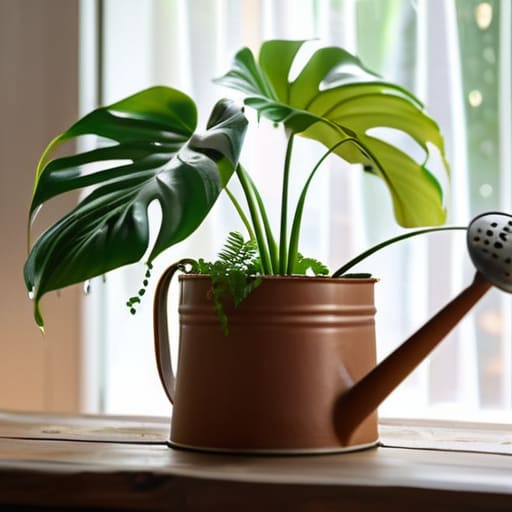
I used to think that if I didn’t own a $50 designer ceramic pot and a specialized pH testing kit, I was somehow failing at being a “plant person.” I spent way too much money on those aesthetic, mid-century modern planters that look gorgeous on Instagram but have zero drainage, only to watch my expensive Monstera slowly rot from the bottom up. Honestly, the internet has made learning how to care for houseplants feel like a high-stakes science experiment rather than a simple hobby. We’ve been sold this idea that you need a curated jungle and a cabinet full of specialized liquid fertilizers just to keep a single pothos from turning into a crispy brown mess.
I’m over the performative perfection. In this guide, I’m stripping away the fluff and sharing the actually useful methods I’ve used to keep my small apartment greenery thriving on a budget. We aren’t going to talk about fancy misting machines or expensive light setups that cost more than your groceries; instead, we’re focusing on functional systems like checking soil moisture with your actual finger and understanding light without a degree in botany. I promise to give you the messy, tested truth about keeping things alive without the unnecessary stress.
Table of Contents
- Mastering Indoor Plant Light Requirements Without the Fancy Lamps
- The Truth About Finding the Best Soil for Houseplants
- 5 Ways to Stop Killing Your Plants (Without Spending a Fortune)
- My Three Non-Negotiable Plant Rules
- Forget the Aesthetic, Focus on the Basics
- Stop Stressing and Start Growing
- Frequently Asked Questions
Mastering Indoor Plant Light Requirements Without the Fancy Lamps
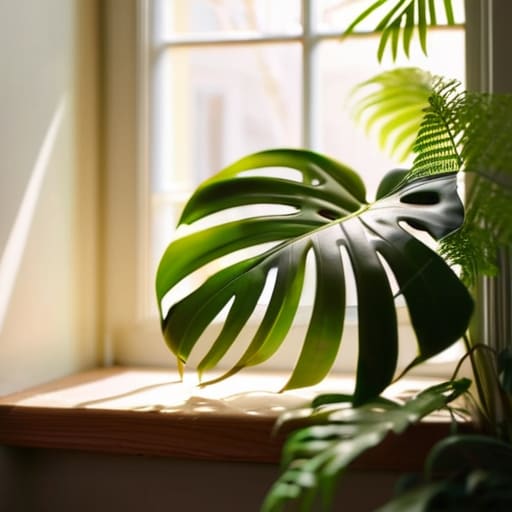
Look, I know the temptation to go out and buy those expensive, high-tech LED grow lights is real—especially when your apartment feels like a cave. But before you drop eighty bucks on a gadget you’ll probably forget to plug in, let’s talk about what your windows are actually doing. Most of us don’t need a professional setup; we just need to understand indoor plant light requirements based on the direction your windows face. If you’ve got a south-facing window, you’re basically sitting in a sunbath, which is great for cacti but might scorch your more delicate ferns.
The trick is to stop treating every plant like it needs a spotlight. I’ve learned through a lot of dead leaves that observation is your best tool. Instead of guessing, spend a weekend watching how the shadows move across your floor. If a plant is getting leggy and stretching toward the glass, it’s begging for more light. If the leaves look bleached or crispy, it’s getting too much. You don’t need a lab setup; you just need to match the plant to the light you already have.
The Truth About Finding the Best Soil for Houseplants
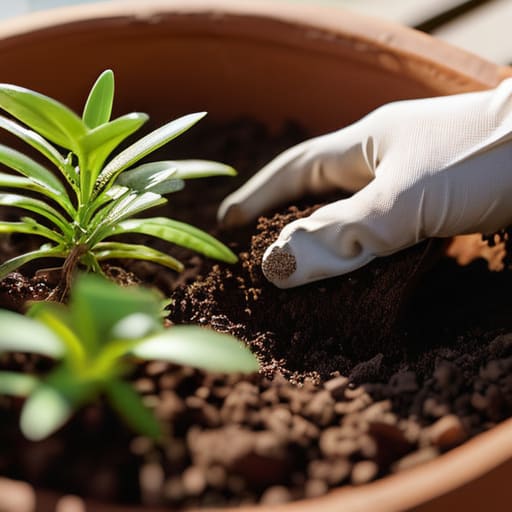
Look, I used to think all “potting soil” was created equal, so I’d just grab the cheapest bag at the grocery store and call it a day. Big mistake. I quickly learned that if you’re using heavy, dense dirt that stays soggy for weeks, you aren’t growing a plant; you’re growing root rot. Finding the best soil for houseplants isn’t about finding a magic brand name, it’s about understanding drainage. Most of the plants I keep in my apartment need a mix that breathes—something with perlite or bark tossed in so the roots can actually get some air.
If you’re working with succulents, they need that gritty, sandy texture, while my pothos and philodendrons prefer something a bit more organic and moisture-retentive. You don’t need to go down a rabbit hole of expensive, boutique blends, though. Honestly, just grab a decent all-purpose mix and mix in your own amendments to suit your specific needs. It saves a ton of money and, more importantly, it stops you from accidentally suffocating your greenery.
5 Ways to Stop Killing Your Plants (Without Spending a Fortune)
- Stop watering on a schedule. I used to tell myself “every Monday,” but my apartment’s humidity changes constantly. Instead, grab your finger and stick it an inch into the dirt; if it feels damp, back off. If it’s bone dry, give it a drink. It’s much better to underwater a plant than to drown it in a misguided attempt at being “consistent.”
- Ditch the expensive, designer pots and just check the drainage. I know, those ceramic pots without holes look beautiful on a shelf, but unless you’re prepared to deal with root rot, just use a cheap plastic nursery liner inside them. It’s not about the aesthetic; it’s about making sure the water actually has somewhere to go.
- Get used to a little bit of dust. We tend to think of plants as these pristine decor pieces, but they’re living things that breathe through their leaves. If they get dusty, they can’t process light properly. You don’t need special leaf shine sprays—just a damp cloth and a quick wipe once a month will do more for them than any overpriced bottled “nutrient” spray.
- Don’t panic over one yellow leaf. I used to freak out every time a leaf turned brown, thinking I’d failed completely. In reality, plants are old souls; they shed the old to make room for the new. As long as the new growth looks healthy, let the old leaves go. It’s just part of the cycle, not a sign of an impending plant funeral.
- Group your plants together if you’re struggling with dry air. If you live in an apartment with crappy heating that sucks all the moisture out of the air, don’t go out and buy a fancy, high-maintenance humidifier right away. Just cluster your plants in one spot; they actually create their own little microclimate of humidity, which helps them all stay a bit more comfortable.
My Three Non-Negotiable Plant Rules
Stop buying the “aesthetic” pots first; a cheap plastic nursery pot with drainage holes is a hundred times better for your plant’s survival than a beautiful ceramic one that turns into a swamp.
Learn your plant’s specific “language” instead of following a strict calendar—if the soil feels damp, put the watering can down, no matter what some generic care guide says.
Don’t stress about the perfect setup; if a plant isn’t thriving where it is, just move it a few feet closer to a window rather than spending a fortune on expensive grow lights you’ll probably never use.
Forget the Aesthetic, Focus on the Basics
“You don’t need a curated urban jungle or a collection of expensive designer grow lights to be a ‘plant person’; you just need to stop treating your greenery like decor and start treating them like living things that occasionally need a little attention and a lot of common sense.”
Maya Sterling
Stop Stressing and Start Growing
At the end of the day, keeping plants alive isn’t about mastering some complex science or owning a collection of expensive, designer ceramic pots. It really just comes down to the basics we’ve talked about: getting the light right for the specific plant you have, using soil that actually lets the roots breathe, and not overthinking the watering schedule to the point of paralysis. You don’t need a greenhouse or a degree in botany to have a bit of green in your apartment. Just focus on the functional essentials—the light, the drainage, and the right dirt—and let the rest of the “aesthetic” stuff fall where it may.
If you lose a leaf or two, or even if a whole plant decides to give up on life despite your best efforts, please don’t let it convince you that you’re a “plant killer.” That’s just part of the process. Gardening is a series of small, messy experiments, and every dead plant is just data for your next attempt. My goal isn’t for you to create a perfectly manicured indoor jungle, but to help you find a few green companions that actually thrive in your real, busy life. So, grab that watering can, trust your intuition, and just start growing.
Frequently Asked Questions
How do I actually know if I'm overwatering or if the plant just needs more humidity?
This is the million-dollar question, and honestly, it’s where most of us trip up. Here’s the quick way to tell: if the leaves are turning yellow and mushy, or if the soil feels like a swamp, you’re overwatering. But if the tips are turning brown and crispy while the soil is still damp, that’s a humidity issue. My rule of thumb? Stick your finger an inch into the dirt. If it’s wet, back off the watering can.
Is it worth spending money on fancy fertilizers, or can I just use what I have in the kitchen?
Honestly? Save your money. Most of those high-end, designer fertilizers are just overpriced versions of basic nutrients. If you’re looking to keep things functional and budget-friendly, a little diluted leftover pasta water (without salt!) or even some crushed eggshells can do wonders. Don’t feel pressured to build a chemistry lab in your kitchen. Just focus on feeding them occasionally with something simple; your plants won’t know the difference, and your bank account won’t either.
What do I do when a plant starts looking sad even though I feel like I'm doing everything right?
First, take a breath. I’ve been there—staring at a drooping pothos while feeling like a total failure. Usually, “doing everything right” actually means you’re overcompensating. We tend to hover, and hovering usually leads to overwatering or constant moving. Stop and check the soil with your finger first. If it’s soggy, back off. If it’s bone dry, give it a soak. Most “sad” plants just need you to leave them alone for a bit.