
I’m so tired of seeing those “smart home” influencers claim you need a $500 ecosystem of automated sensors and connected appliances just to see a difference in your monthly costs. Honestly, if you’re looking for a magical, high-tech solution for how to save on utility bills, you’re probably just throwing good money after bad. Most of that gear is just expensive window dressing that doesn’t actually address the real energy leaks in your life. You don’t need a degree in electrical engineering or a massive budget to stop the bleeding; you just need to stop letting your money vanish into thin air through outdated habits and drafty corners.
I’m not here to sell you on a lifestyle upgrade or a fancy gadget collection. Instead, I want to share the unfiltered, messy reality of what actually worked for me when I was trying to balance my freelance income with rising living costs. I’ve tested the low-effort tweaks and the slightly more annoying—but highly effective—systems that actually move the needle. This is my no-frills guide to practical, budget-friendly strategies that prioritize function over aesthetics, helping you keep more cash in your pocket without turning your home into a freezing, dark cave.
Table of Contents
Smart Thermostat Benefits Without the Tech Hype
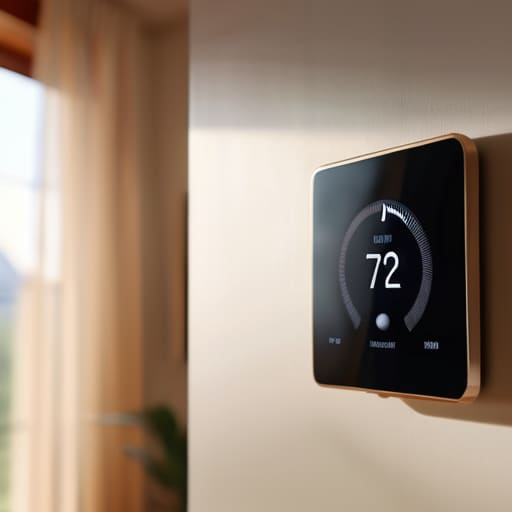
I’ll be the first to admit that I used to roll my eyes at “smart” everything. It always felt like another way for tech companies to charge us a premium for something we didn’t actually need. But after a particularly brutal heating bill last winter, I realized that the smart thermostat benefits aren’t about having a shiny gadget on your wall; they’re about automation doing the heavy lifting so you don’t have to.
You don’t need to be a tech wizard to make this work. The real magic happens when you set a schedule that actually matches your life—like dropping the temp when you’re at work or sleeping. It’s one of those simple energy efficient home improvements that pays for itself because it stops the constant cycle of heating or cooling an empty apartment. It isn’t about being “high-tech”; it’s just about not wasting money on air that nobody is even breathing. If you can set an alarm on your phone, you can handle this.
Seasonal Energy Saving Tips That Actually Work

We tend to treat our homes like static boxes, but they’re actually living, breathing things that react to the weather. Instead of waiting for a massive bill to hit your inbox, I’ve found that staying ahead of the seasons is the real secret to reducing monthly household expenses. When the temperature starts to dip, don’t just crank the heat; check your windows. I used to ignore drafts until I realized a simple roll of weatherstripping or even a heavy curtain could keep the warmth from escaping. It’s not about fancy renovations; it’s about these tiny, low-effort adjustments that keep the climate controlled without your furnace working overtime.
The same logic applies when summer hits. I’ve learned the hard way that keeping the blinds closed during the peak afternoon sun is a total game-changer for keeping my apartment cool. It’s one of those seasonal energy saving tips that costs exactly zero dollars but makes a massive difference in how much your AC has to sweat. If you’re looking into more permanent energy efficient home improvements, think about things like attic insulation, but for now, just focus on managing the sunlight and the airflow you already have.
The Low-Effort, High-Impact Moves I Actually Use
- Stop letting your water heater work overtime. If you haven’t touched the dial in months, turn it down to about 120°F. It’s plenty hot for showers, and you’ll stop paying to keep your water scalding unnecessarily.
- Get real about your “vampire” electronics. I used to feel guilty about unplugging everything, but honestly, if you aren’t using that coffee maker or gaming console overnight, just pull the plug or use a power strip. Those little standby lights are literally bleeding your wallet dry.
- Check your seals before the weather gets weird. You don’t need to be a contractor; just grab a candle, light it, and run it around your window frames. If the flame flickers, you’ve got a draft. A $5 roll of weatherstripping from the hardware store will save you way more than a fancy new window ever could.
- Laundry day doesn’t have to be a budget killer. I stopped washing everything on “heavy duty” with hot water. Most of my clothes are fine with cold water and a quick cycle, and my electric bill actually noticed the difference.
- Clean your filters—and I mean actually clean them, not just glance at them. A clogged HVAC filter makes your system fight for its life, which drives up your bill. It takes five minutes and a vacuum, but it’s the easiest way to keep your unit from working double time.
The Bottom Line: Small Shifts, Real Savings
You don’t need to go full “smart home” to see a difference; start with the low-hanging fruit like unplugging phantom electronics and adjusting your thermostat by just a few degrees.
Focus on the seasons—don’t fight your HVAC system by trying to cool a house that’s already shaded or heating a room that nobody is actually using.
Forget the expensive gadgets for a second and just audit your habits; most of the money we leak is through mindless, repetitive patterns that a simple checklist can fix.
## The Real Secret to Lowering Bills
“Forget the high-tech gadgets and the expensive smart home upgrades for a second. Real savings don’t come from a fancy app; they come from the small, slightly annoying habits—like actually turning off the lights or finally sealing that drafty window—that actually add up when you look at your bank statement at the end of the month.”
Maya Sterling
Cutting Costs Without Losing Your Mind
At the end of the day, saving money on your utilities isn’t about some grand, expensive lifestyle overhaul or buying every gadget on a Best Buy commercial. It’s really just about those small, intentional shifts we talked about—adjusting your thermostat when you’re sleeping, being mindful of the seasons, and not letting your money leak out through old, drafty windows or appliances that run unnecessarily. Whether you’re investing in a smart thermostat to do the heavy lifting or just getting into the habit of unplugging your coffee maker, these tiny tweaks add up. It’s about building a functional system that works for your budget, rather than trying to chase some impossible standard of “eco-perfection.”
I know that looking at a mounting stack of bills can feel incredibly overwhelming, like one more thing you’re failing to manage perfectly. But please, give yourself some grace. You don’t have to implement every single tip I mentioned by tomorrow morning. Just pick one thing—maybe it’s just checking your window seals or setting a new temperature schedule—and start there. Life is messy enough as it is, and your home should be your sanctuary, not another source of stress. Focus on the small, sustainable wins, and I promise you’ll see the difference in your bank account and your peace of mind.
Frequently Asked Questions
Is it actually worth investing in better insulation, or is that just a way to spend more money upfront?
Honestly? It’s one of those “pay now or pay later” situations. If you’re renting, don’t even bother—just use draft stoppers. But if you own your place, better insulation is probably the best long-term move you can make. It’s not just about the monthly bill; it’s about stopping your HVAC from working overtime every single day. It feels like a huge upfront hit, but once that money is in your walls, it starts paying you back.
How much of a difference does it really make to wash my clothes in cold water instead of hot?
Honestly, it makes a huge difference. Most of the energy your washing machine uses actually goes toward heating the water, not the actual tumbling. By switching to cold, you’re cutting out that heavy lifting. It’s one of those tiny, low-effort shifts that adds up—your utility bill gets smaller, and your clothes actually last longer because they aren’t being beaten up by high heat. It’s a total win-win for your budget and your favorite sweater.
Are those "energy-saving" power strips actually helping, or am I just buying more gadgets I don't need?
Honestly? Most of the time, you’re just buying another gadget. Those “smart” strips are fine if you love automation, but they aren’t magic. The real culprits are “vampire appliances”—things like your coffee maker or gaming console that pull power even when they’re off. Instead of dropping $50 on a fancy strip, just grab a pack of cheap, basic power strips. Turn them off when you’re done, and you’ll see the same savings without the tech headache.